- Saudi Arabia
- Egypt
- Qatar
- United Arab Emirates
August 20, 2026
Share


Last updated: 20/8/2026
Thyroid symptoms may include fatigue, unexplained weight changes, an irregular or unusually fast or slow heartbeat, sensitivity to cold or heat, mood changes, difficulty concentrating, and menstrual changes. The pattern depends largely on the type of thyroid disorder: hypothyroidism tends to slow many body functions, while hyperthyroidism tends to speed them up. However, symptoms alone cannot confirm a diagnosis, which usually requires medical evaluation and thyroid blood tests such as TSH and T4.
Thyroid problems can begin with general symptoms such as tiredness, weight changes, or palpitations, making it difficult to know whether the thyroid is actually responsible. This guide explains what the thyroid gland is, the symptoms of hypothyroidism and hyperthyroidism, how thyroid disorders may affect women and men, their possible causes, the main thyroid tests and treatment options, and when symptoms should be medically evaluated.
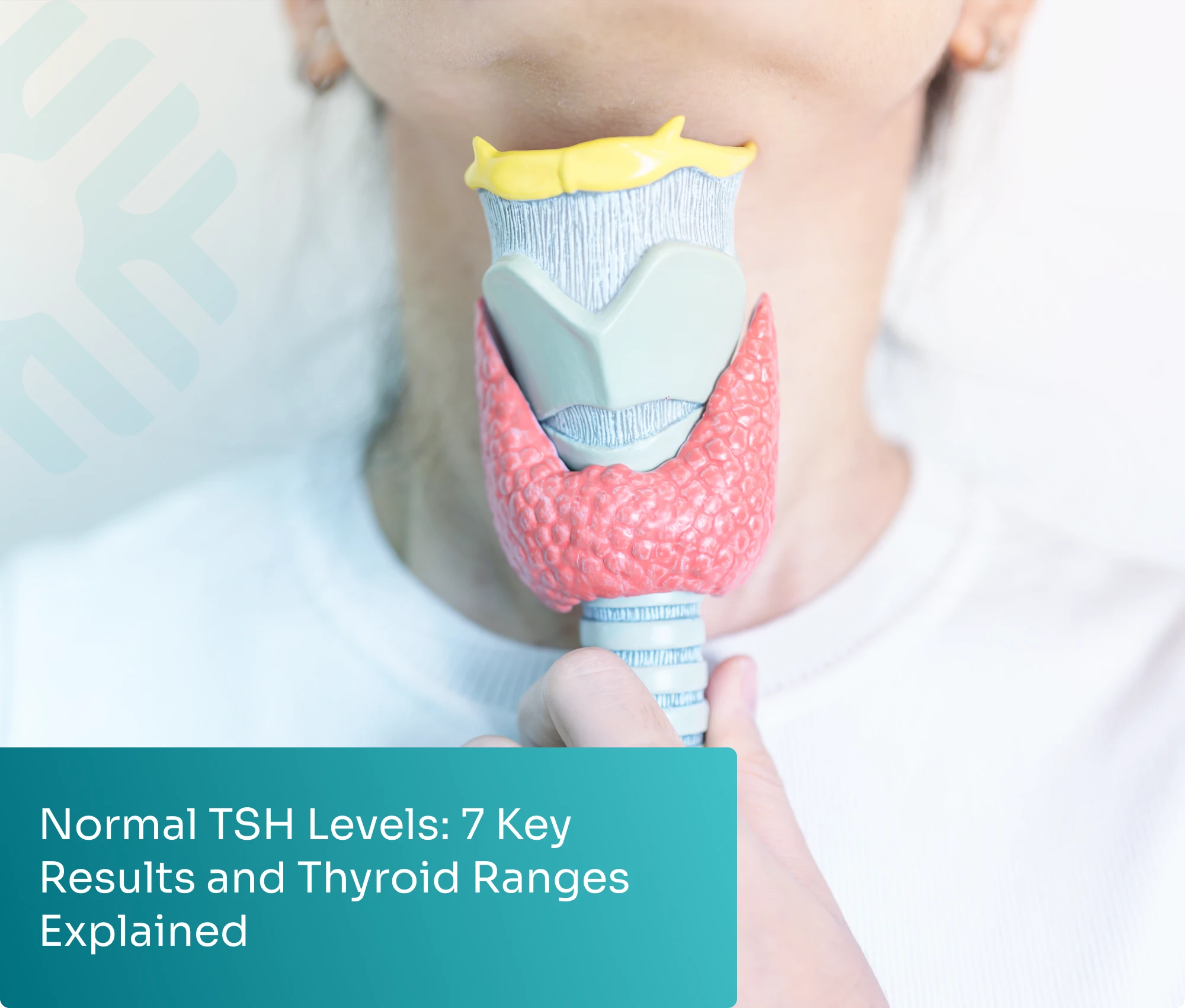
The thyroid is a small, butterfly-shaped gland that produces hormones involved in how the body uses energy and how many organs function.
The thyroid gland is located in the lower front part of the neck, in front of the windpipe. It consists of two lobes positioned on either side of the trachea and connected by a thin section of tissue in the middle.
The thyroid mainly produces two hormones: thyroxine, or T4, and triiodothyronine, or T3. These hormones help regulate several important body functions, including:
The thyroid also works closely with the pituitary gland, which produces thyroid-stimulating hormone, or TSH, to help regulate thyroid hormone production.
Thyroid symptoms vary depending on whether the gland is underactive or overactive. Some symptoms, such as fatigue and mood changes, may occur in both conditions, while others tend to appear in opposite ways.
|
Hypothyroidism symptoms |
Hyperthyroidism symptoms |
|
Fatigue and sluggishness |
Nervousness and anxiety |
|
Weight gain or difficulty losing weight |
Unexplained weight loss |
|
Increased sensitivity to cold |
Heat intolerance |
|
Constipation |
More frequent bowel movements |
|
Dry skin and hair |
Increased sweating |
|
Slower heart rate in some people |
Rapid heartbeat or palpitations |
|
Poor concentration and slower thinking |
Difficulty sleeping |
|
Muscle aches or weakness |
Tremor and muscle weakness |
|
Facial puffiness in some patients |
Increased restlessness or activity |
|
Menstrual changes |
Menstrual changes |
Having one of these symptoms does not necessarily mean that you have a thyroid disorder. Many of these signs can occur with other health conditions, so diagnosis depends on medical evaluation and thyroid function testing.
Symptoms may also develop gradually, which means that some patients may not notice a clear change at first.
The main difference is that hypothyroidism occurs when the thyroid does not produce enough hormones, while hyperthyroidism occurs when it produces more thyroid hormones than the body needs. As a result, many symptoms develop in opposite directions.
|
Comparison |
Hypothyroidism |
Hyperthyroidism |
|
Thyroid hormone production |
Lower than the body needs |
Higher than the body needs |
|
Weight |
Weight gain or difficulty losing weight |
Unexplained weight loss |
|
Energy |
Fatigue, sluggishness, and slower activity |
Restlessness or increased activity, sometimes with fatigue |
|
Temperature tolerance |
Feeling colder than usual |
Heat intolerance and increased sweating |
|
Heart rate |
May be slower in some patients |
Rapid heartbeat or palpitations |
|
Digestive system |
Constipation |
More frequent bowel movements |
|
Mood and mental function |
Slower thinking and low mood |
Anxiety, nervousness, and irritability |
|
Sleep |
Increased tiredness or sleepiness |
Difficulty sleeping |
|
Skin and hair |
Dry skin, dry hair, or hair loss |
Skin may feel warmer and more moist |
|
Muscles |
Muscle pain or weakness |
Muscle weakness or tremor |
|
Menstrual cycle |
Menstrual changes may occur |
Menstrual changes may occur |
|
Common causes |
Hashimoto's disease, certain thyroid treatments, and other causes |
Graves' disease, overactive thyroid nodules, or thyroiditis |
|
Thyroid tests |
TSH is often elevated in primary hypothyroidism |
TSH is often low in hyperthyroidism |
Despite these differences, fatigue, mood changes, menstrual changes, and muscle weakness may occur in both conditions. For this reason, symptoms alone cannot reliably determine whether the thyroid is underactive or overactive. Diagnosis requires medical assessment and thyroid function tests.
Women and men share many of the same thyroid symptoms. However, effects on the menstrual cycle, fertility, and pregnancy can make some thyroid-related changes more noticeable in women.
Thyroid symptoms in women may include changes in weight, energy levels, mood, heart rate, and the menstrual cycle.
Hypothyroidism symptoms in women may include persistent fatigue, weight gain, increased sensitivity to cold, and changes affecting the menstrual cycle, mood, hair, and skin.
Common symptoms include:
Hyperthyroidism symptoms in women may include unexplained weight loss, palpitations, increased sweating, nervousness, menstrual changes, and difficulty sleeping.
Common symptoms include:
Menstrual changes or weight fluctuations alone do not confirm thyroid disease, as many other conditions may cause similar symptoms and should also be considered.
Thyroid symptoms in men include many of the same signs associated with hypothyroidism and hyperthyroidism, including changes in weight and energy levels, abnormal heart rate, intolerance to heat or cold, and changes in mood or concentration.
Thyroid hormone disorders may also affect muscle strength, sexual desire, or reproductive function in some men. However, these symptoms are not specific to thyroid disease, so other possible medical causes should be considered before attributing them to the thyroid.
Thyroid disorders require special attention during pregnancy because some normal pregnancy symptoms may overlap with symptoms of hypothyroidism or hyperthyroidism. Maintaining appropriate thyroid function is also important for both maternal health and pregnancy.
If a woman has a known thyroid disorder before pregnancy or is already taking thyroid medication, she should not stop treatment or change the dose without consulting her doctor.
Women with thyroid disorders can have healthy pregnancies when the condition is appropriately monitored and thyroid function testing and prescribed treatment are used when needed.
Changes in mood are sometimes noticed alongside thyroid disorders.
Hypothyroidism may be associated with low mood, slower thinking, and difficulty concentrating, while hyperthyroidism may be associated with anxiety, nervousness, and sleep problems.
However, sadness or emotional stress does not automatically indicate a thyroid disorder, and psychological symptoms alone cannot determine thyroid hormone levels. If persistent mood changes occur together with physical symptoms, a doctor may consider evaluating thyroid function as well as other possible causes.
The causes vary depending on the type of thyroid disorder. Hypothyroidism may result from autoimmune disease or previous thyroid treatment, while hyperthyroidism is commonly associated with Graves' disease, certain thyroid nodules, or thyroid inflammation.
|
Causes of hypothyroidism |
Causes of hyperthyroidism |
|
Hashimoto's disease |
Graves' disease |
|
Removal of part or all of the thyroid |
Overactive thyroid nodules |
|
Radioactive iodine treatment |
Thyroiditis |
|
Certain medications |
Taking excessive doses of thyroid hormone |
|
Pituitary gland disorders in less common cases |
Exposure to high amounts of iodine in some situations |
|
Congenital thyroid disorders in children |
Other causes identified according to the patient's condition |
For more information, read Magrabi Health's guide to the causes of hypothyroidism and hyperthyroidism.
There is no single symptom that can confirm thyroid disease.
Thyroid testing may become appropriate when several signs occur together or when persistent symptoms appear, such as:
The doctor determines which tests are appropriate based on the patient's symptoms, medical history, and physical examination.
A thyroid test is used to assess how well the thyroid gland is functioning and to help determine whether it is underactive or overactive. Thyroid tests may also help doctors monitor the response to treatment in patients with a known thyroid disorder.
The TSH test is one of the main initial tests used to assess thyroid function. TSH is produced by the pituitary gland and helps regulate thyroid activity.
In general:
However, TSH should not always be interpreted on its own. Its significance may depend on other thyroid hormone levels, medications, pregnancy, age, medical conditions, and the laboratory's reference range.
A T4 test measures the level of thyroxine, one of the main hormones produced by the thyroid gland.
Free T4 is commonly assessed alongside TSH to help determine whether thyroid function is reduced or increased.
A T3 test measures triiodothyronine and is used more often when hyperthyroidism is suspected or when a more detailed assessment is required.
T3 is not the main test used to diagnose every case of hypothyroidism. The doctor decides whether it is needed based on TSH and T4 results, symptoms, and the patient's overall medical condition.
Laboratory guidance from Hamad Medical Corporation also identifies TSH as a test used to help diagnose thyroid disorders and monitor the treatment of hypothyroidism and hyperthyroidism.
A goiter, or enlarged thyroid, means that the thyroid gland has become larger than usual. A thyroid nodule is a defined lump or area within the gland.
The size of the thyroid alone does not determine how active it is. An enlarged thyroid may be:
The presence of a thyroid nodule also does not automatically mean that it is cancerous. Medical evaluation is recommended if you notice:
No. Having an enlarged thyroid or a thyroid nodule does not by itself mean that a person has thyroid cancer.
Thyroid nodules are evaluated based on their characteristics, physical examination, and imaging findings. Some may require a biopsy, while others may not.
Possible thyroid cancer symptoms that warrant medical assessment may include a lump or swelling in the neck, persistent voice changes, or difficulty swallowing. However, these symptoms can also occur with non-cancerous conditions.
Thyroid cancer therefore cannot be diagnosed based on symptoms or the appearance of the neck alone.
Thyroid treatment depends on the type of disorder, its cause and severity, and the patient's overall health.
There is no single treatment that is appropriate for hypothyroidism, hyperthyroidism, thyroid nodules, and thyroiditis.
Many cases of hypothyroidism are treated by replacing the hormone that the thyroid gland is not producing in sufficient amounts, commonly with levothyroxine.
The dose of thyroid medication requires adjustment and follow-up blood tests. It should not be increased, reduced, or stopped based solely on whether symptoms appear to improve.
The answer depends on the cause of the thyroid disorder. Some types of thyroid inflammation may be temporary, while many patients with permanent hypothyroidism require long-term hormone replacement therapy and monitoring.
For this reason, there is no single definition of a permanent thyroid cure that applies to every thyroid condition.
Depending on the cause and the patient's condition, treatment may include:
The Saudi Ministry of Health notes that hyperthyroidism treatment may include medication, radioactive iodine, or surgery, with the appropriate option selected according to the patient's individual condition.
Treatment should not be selected or changed based on general health information alone, particularly during pregnancy or when other medical conditions are present.
It is advisable to consult a doctor if several unexplained symptoms persist, particularly when there are changes in weight, energy levels, heart rate, or sensitivity to heat and cold.
More urgent medical assessment may be needed if you experience:
Some of the eye-related signs above can occur with thyroid eye disease and may require prompt assessment, especially when vision itself begins to change.
Thyroid symptoms can appear in many different ways, but the main distinction is that hypothyroidism tends to slow body functions, while hyperthyroidism tends to speed them up.
Even so, fatigue, weight changes, palpitations, or menstrual irregularities are not enough on their own to confirm a thyroid disorder.
If symptoms persist, medical evaluation and a thyroid test can help determine whether a thyroid problem is present, identify its type and possible cause, and guide the appropriate treatment.
If you have a thyroid disorder along with eye bulging, severe eye dryness, double vision, or difficulty closing the eyelids, it is important to assess whether the condition is affecting the eyes. You can book an appointment with Magrabi Health ophthalmologists to evaluate the extent of eye involvement and determine the appropriate next step.
Reviewed by the Magrabi editorial team with support from specialist physicians.
Disclaimer: This article is intended for health education only and is not a substitute for consultation with a qualified medical professional.

The Magrabi Health Editorial Team creates educational medical content designed to help readers better understand symptoms, diagnostic tests, treatment options, and preventive healthcare measures across a wide range of medical topics, drawing on trusted sources and specialized clinical expertise. Since 1955, Magrabi Health has built more than 70 years of experience in specialized healthcare through a regional network of over 40 facilities across 5 countries. Its commitment to quality and patient safety is reflected in numerous accreditations and recognitions, including the designation of several eye centers as Centers of Excellence in Ophthalmology by the Surgical Review Corporation (SRC). This content is intended for educational purposes only and should not be considered a substitute for professional medical advice, diagnosis, or treatment.
Common thyroid symptoms include fatigue, weight changes, intolerance to cold or heat, abnormal heart rate, constipation or more frequent bowel movements, and changes in mood and concentration. The pattern varies depending on whether the thyroid is underactive or overactive, and symptoms alone cannot confirm the diagnosis.
Not everyone with possible thyroid symptoms needs every available test. A doctor may request thyroid antibody tests when an autoimmune condition such as Hashimoto's disease or Graves' disease is suspected. Ultrasound may also be used when there is a thyroid nodule, enlargement, or a change in the shape of the gland.
An at-home thyroid check in front of a mirror may help a person notice a new swelling or lump in the neck, but it cannot diagnose hypothyroidism or hyperthyroidism. The thyroid may function abnormally even when there is no visible enlargement, and it may also be enlarged while thyroid hormone levels remain normal.
Most cases of hypothyroidism can be controlled with appropriate treatment and follow-up. However, severe untreated hypothyroidism can lead to complications. Patients should therefore follow the prescribed treatment plan and complete follow-up thyroid tests as recommended by their doctor.
Hyperthyroidism can be treated, but uncontrolled disease may affect the heart, bones, and other organs, and some severe cases can become medical emergencies. The level of risk depends on the cause, the severity of the disorder, and the patient's overall health.
It depends on the cause. Some cases of hypothyroidism may be temporary, while many patients with permanent hypothyroidism require ongoing thyroid hormone replacement therapy and regular monitoring.