- Saudi Arabia
- Egypt
- Qatar
- United Arab Emirates
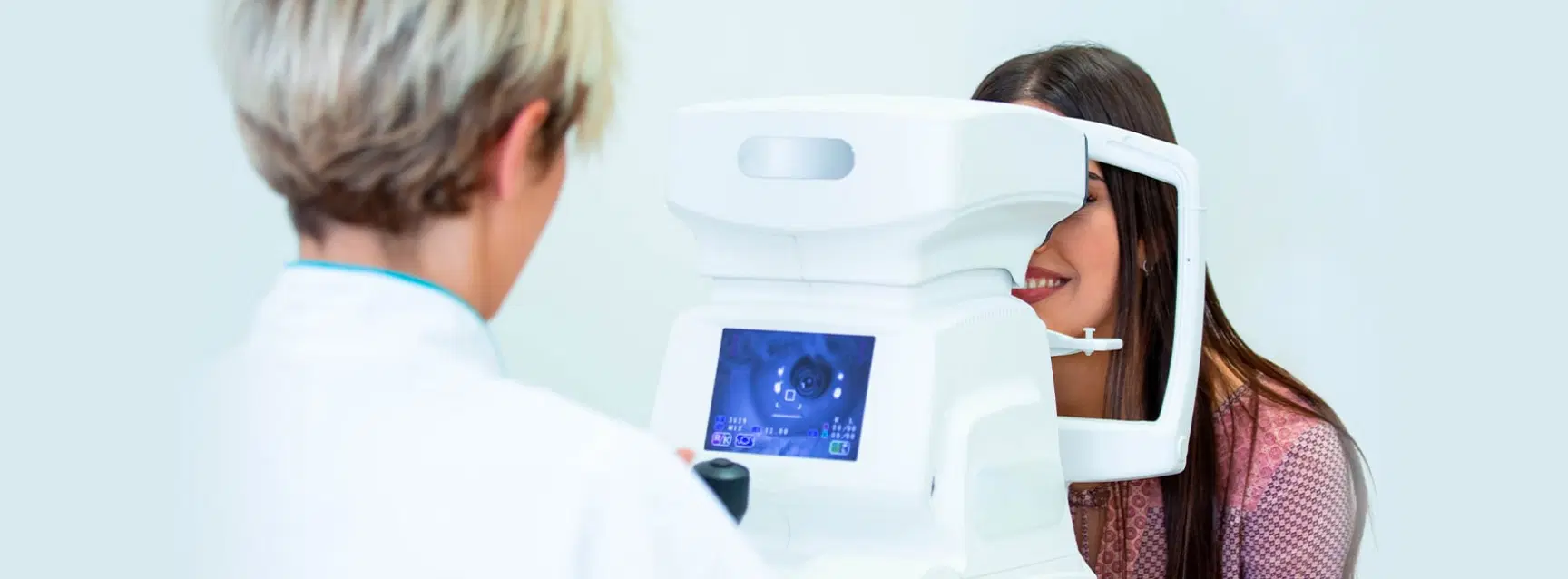
Laser eye surgeries have gained popularity worldwide due to their effectiveness, short recovery periods, and reduced postoperative complications.
Ophthalmologists have continuously worked on developing more precise techniques to achieve better outcomes, with Femto LASIK being one of the most significant modern surgical advancements in vision correction.
Femto LASIK offers two primary advantages: greater precision and safety compared to traditional LASIK surgery. However, this procedure may not be suitable for all patients.
In this article, the ophthalmology experts at Magrabi Healthcare detail the Femto LASIK procedure, explain the ideal candidates for this surgery, and outline the key differences between traditional LASIK and Femto LASIK.

Femto LASIK (Femtosecond Laser-Assisted In Situ Keratomileusis) is a type of laser vision correction surgery used to address refractive errors such as myopia (nearsightedness), hyperopia (farsightedness), and astigmatism.
Like traditional LASIK, Femto LASIK aims to reshape the cornea to improve vision. The primary difference between the two procedures lies in how the corneal flap is created.
In Femto LASIK, the corneal flap is made using a femtosecond laser rather than a microkeratome blade, as in traditional LASIK. This allows for greater precision and increased safety.
Femtosecond laser technology was developed in the early 1990s and is known for its rapid speed and ability to minimize damage to surrounding tissues. This laser enables ophthalmic surgeons to create very thin corneal flaps, which lead to faster recovery and a reduced risk of complications associated with traditional LASIK.
Femto LASIK involves the use of two main types of lasers: the femtosecond laser to create the corneal flap, and the excimer laser to reshape the cornea. The key steps of the procedure are as follows:
LASIK is suitable for patients with refractive errors that prevent them from seeing clearly without glasses or contact lenses. This technique can correct myopia, hyperopia, and astigmatism, allowing patients to achieve clear vision without the need for traditional corrective lenses. Ophthalmologists at Magrabi Healthcare recommend LASIK for patients with stable vision who do not have eye conditions that could affect the outcome.
Femto LASIK, on the other hand, is a more advanced technique compared to traditional LASIK. The key difference lies in how the corneal flap is prepared, providing greater precision and reducing the risks associated with using a surgical blade. Femto LASIK is the preferred option for patients who:
Patients interested in undergoing Femto LASIK must meet certain criteria to ensure a successful outcome, including:
Patients should consult with an ophthalmic surgeon before deciding on Femto LASIK to evaluate whether their condition is suitable for the surgery. This is especially important for those who have undergone previous eye surgeries, pregnant women, individuals with autoimmune diseases, or those with uncontrolled diabetes.
Like any surgical procedure, Femto LASIK carries some potential risks and complications, although they are rare. Common side effects include:
One of the main benefits of Femto LASIK is the short recovery period. Most patients notice significant improvement in their vision within 24 to 48 hours, although full visual stability may take several weeks to achieve. During the recovery period, Magrabi Healthcare experts recommend the following precautions:
Femto LASIK represents a significant advancement in laser eye surgeries, offering patients a safe and effective option for correcting refractive errors.
If you are interested in finding out whether Femto LASIK is suitable for your condition, we invite you to visit the nearest branch of Magrabi Healthcare.
Our specialized ophthalmologists are highly experienced in treating eye conditions and provide world-class care using the latest diagnostic and treatment technologies to ensure your recovery and well-being.
https://eyewiki.org/Femtosecond_Lasers_and_Laser_Assisted_in_Situ_Keratomileusis_(LASIK)
https://www.healthline.com/health/eye-health/femto-lasik#vs-smile-and-prk
https://eyecairo.net/home/vision-correction-options/lasik-egypt/femto-lasik-egypt/
Maghrabi Health experts reaffirm the importance of visiting a specialized hospital for regular eye exams, which contribute to early detection of eye diseases through accurate diagnosis, allowing for successful treatment plans that minimize potential side effects or complications. Book your medical consultation now at Maghrabi Health with a selection of the best keratoconus specialists in the Middle East and North Africa.

