- Saudi Arabia
- Egypt
- Qatar
- United Arab Emirates
Strabismus, commonly referred to as "crossed eyes", is a condition characterized by the misalignment of the eyes, meaning that the eyes do not focus on the same point simultaneously.
Strabismus affects both children and adults, impacting their ability to see clearly and reducing their quality of life.
If strabismus is left untreated, it can lead to severe complications such as amblyopia (lazy eye), and in some cases, even permanent vision loss. In this article, ophthalmology experts provide essential information on strabismus, including its causes, types, symptoms, and treatment options.
A healthy eye has six muscles attached to it that work in coordination, ensuring both eyes move together and focus on the same target. Strabismus occurs when these muscles don't work properly, or when there is a problem within the brain signals controlling their movements, leading to an eye change its direction to:
Strabismus is often a persistent issue, but some individuals may experience intermittent strabismus, where misalignment occurs occasionally, particularly when fatigued or during activities that require concentration, such as prolonged reading. Strabismus commonly affects infants and young children but can also occur in adults due to certain diseases or injuries.
Proper alignment of the eyes is essential for clear vision and avoiding double vision. When the eyes are not aligned, the brain receives two different images, initially causing double vision.
Over time, the brain compensates by ignoring the image from the misaligned eye, leading to a condition known as amblyopia or lazy eye. In this condition, vision in the misaligned eye deteriorates due to its decreased use.
Magrabi Health experts recommend consulting a specialist promptly if you notice one of your child’s eyes turning after the age of three months to prevent permanent visual impairment and severe vision loss.
In children, early detection and immediate treatment of strabismus are crucial to avoid long-term visual problems.
As mentioned, both children and adults may develop strabismus due to problems with the muscles controlling eye movement, the nerves transmitting signals from the brain to the muscles, or the brain centers controlling eye movement.
In adults, strabismus can result from conditions such as diabetes, thyroid eye disease, stroke, head trauma, or damage to the eye muscles during eye surgery.
Symptoms of strabismus in children and adults include:
These symptoms may not always be obvious in young children, so parents should monitor their child’s eye movements, watch for signs like closing one eye or tilting the head unusually, and seek help if the eyes appear misaligned after three months of age.
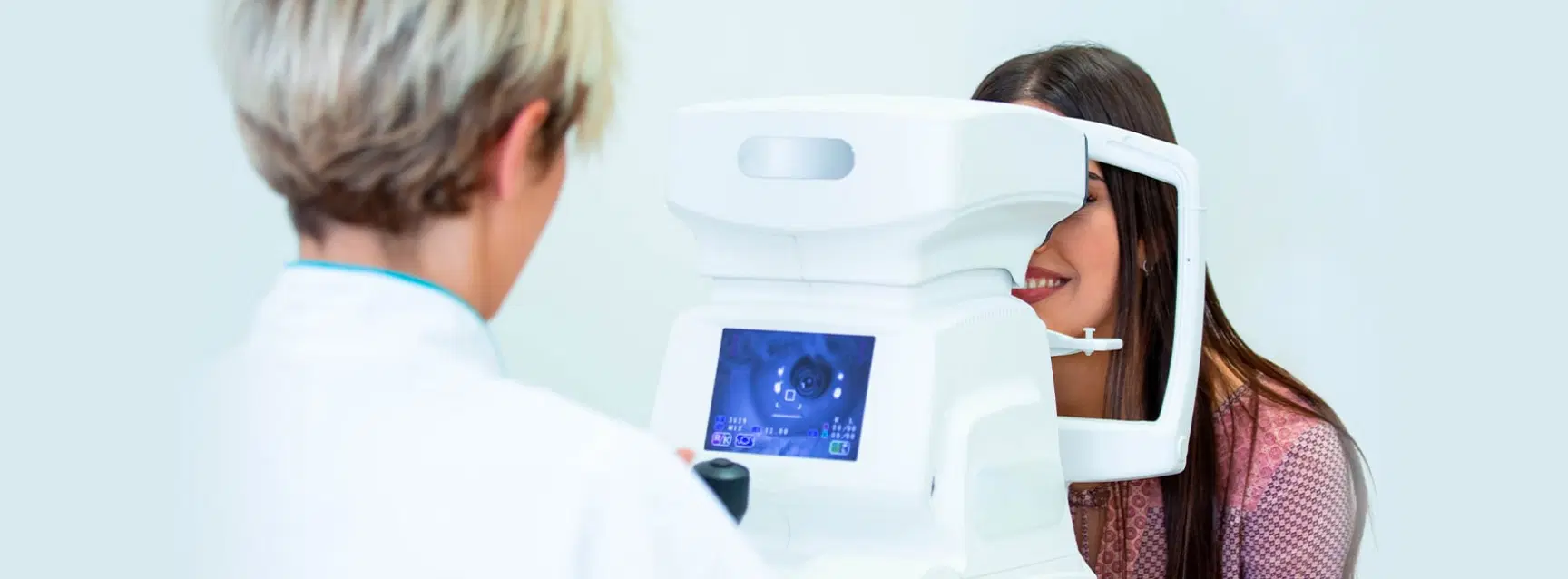
At Magrabi Health, ophthalmologists perform comprehensive eye exams to diagnose strabismus. These exams consist of several tests, including:
If neurological issues are suspected, further tests, such as a retinal exam, may be conducted.
The goal of strabismus treatment is to improve eye alignment and ensure both eyes function together effectively. Early treatment is essential to prevent long-term vision problems, particularly in children. Treatment options include:
In addition, for children with amblyopia (lazy eye), ophthalmologists may use an eye patch to cover the stronger eye, forcing the brain to use the weaker eye. In some cases, adjustable sutures or Botox injections are used to correct eye alignment.
While strabismus cannot be prevented, early detection can prevent complications such as amblyopia and permanent vision loss.
Magrabi Health experts recommend that children undergo eye screenings for strabismus before the age of six months and again between the ages of three and five.
For adults experiencing symptoms of strabismus, it is crucial to consult an ophthalmologist for accurate diagnosis and appropriate treatment.
Consult the ophthalmology experts at Magrabi Health to ensure your eyes remain healthy and protected from potential risks.
Book your appointment now at the leading eye hospital in the KSA and the Middle East.
https://www.aoa.org/healthy-eyes/eye-and-vision-conditions/strabismus?sso=y
Maghrabi Health experts reaffirm the importance of visiting a specialized hospital for regular eye exams, which contribute to early detection of eye diseases through accurate diagnosis, allowing for successful treatment plans that minimize potential side effects or complications. Book your medical consultation now at Maghrabi Health with a selection of the best keratoconus specialists in the Middle East and North Africa.

