- Saudi Arabia
- Egypt
- Qatar
- United Arab Emirates
June 1, 2026
Share


Last Updated: 01/06/2026
Many patients ask: When does vision stabilize after cataract surgery? The answer varies from one person to another depending on the condition of the eye, the type of artificial lens, and whether the patient has other conditions such as diabetes, glaucoma, or problems of the retina.
In most cases, vision starts to improve during the first few days after surgery. For this reason, the question “When does vision stabilize after cataract surgery?” should be answered based on gradual improvement, the post-operative check-up, and the doctor’s assessment.
However, vision stabilization may take longer until the eye adjusts to the new lens and recovery is complete. It is normal for the patient to experience some blurred vision or light sensitivity at first, but medical follow-up helps ensure that eye recovery is progressing properly.
Do you have a quick question about When does vision stabilize after cataract surgery? Contact Magrabi on WhatsApp to understand the most suitable next step for your case.
Vision usually starts to improve during the first few days after cataract surgery, but clear and stable vision may take several weeks. This means the patient may notice gradual improvement in visual clarity while still experiencing some blurred vision or light sensitivity at the beginning.
In simple terms, When does vision stabilize after cataract surgery? means when the eye becomes more comfortable, vision becomes clearer, and the patient no longer notices frequent changes in clarity during the day.
The time needed for vision to stabilize may be affected by several factors, including:
These factors explain why When does vision stabilize after cataract surgery? cannot be answered with one fixed timeline for every patient.
It is normal for the patient during the post-cataract surgery stage to feel that vision is not stable throughout the day. Vision may be clearer at certain times and less clear when the eye is tired or after using the phone for a long period. Therefore, the final result should not be judged during the first few days only.
Doctors in the Ophthalmology Department at Magrabi Hospitals explain that the answer to the question “When does vision stabilize after cataract surgery?” is not the same for all patients, because eye recovery differs from one person to another. Some patients may notice faster improvement, while others may need more time until the eye adjusts to the artificial lens.
Vision may be delayed after cataract surgery for simple and temporary reasons in most cases. However, some causes may require an additional eye examination.
When a patient asks, “When does vision stabilize after cataract surgery?” The doctor evaluates the entire condition of the eye, not just the number of days that have passed.
The most important factors that may affect the cataract surgery recovery period include:
Therefore, the answer to When does vision stabilize after cataract surgery? depends on whether blurred vision is part of normal recovery or related to another eye condition.
Cleveland Clinic indicates that these causes do not necessarily mean there is a serious problem. However, persistent or worsening blurred vision requires a medical review to identify the cause accurately.
During the first few days after cataract surgery, the patient may notice some temporary symptoms that gradually improve with commitment to the doctor’s instructions. Expected symptoms include:
The appearance of these symptoms in a mild form does not necessarily mean there is a problem.
However, it explains why the answer to When does vision stabilize after cataract surgery? may differ from one patient to another.
The NHS explains that vision may be blurred at first, and the patient may need drops that help the eye recover and reduce the risk of infection. It also advises against rubbing the eye or allowing water or shampoo to enter the eye during the recovery period.
Mild symptoms in the first few days can make patients ask, When does vision stabilize after cataract surgery? but gradual improvement is often a reassuring sign.
What should the patient do after cataract surgery? The most important step is to follow the instructions given by the doctor after surgery, because proper care helps support eye recovery and reduce the risk of irritation or inflammation.
Doctors at Magrabi Hospitals usually recommend the following:
Following these steps can help the doctor evaluate When does vision stabilize after cataract surgery? more clearly during follow-up visits.
These instructions vary depending on the patient’s condition and the type of procedure, so the doctor’s instructions remain the main reference.
Instructions after cataract surgery help make the recovery period safer and clearer for the patient. Most patients do not need to completely change their lifestyle, but they do need to be careful when dealing with the eye during the first few weeks.
Practical instructions include:
The more the patient follows instructions after cataract surgery, the easier it becomes for the doctor to assess When does vision stabilize after cataract surgery? more accurately during follow-up visits.
Remember that post-cataract surgery is not one fixed stage for everyone. Recovery differs depending on the patient’s age, the condition of the eye before surgery, and how well the patient follows the instructions.
The answer to the question When does vision stabilize after cataract surgery? depends on an eye examination, not on symptoms alone. The doctor starts by asking the patient about when the blurred vision appeared, the degree of improvement, how the eye drops are being used, and any accompanying symptoms.
The post-operative check-up may include:
These examination steps help the doctor answer When does vision stabilize after cataract surgery? based on medical findings rather than guesswork.
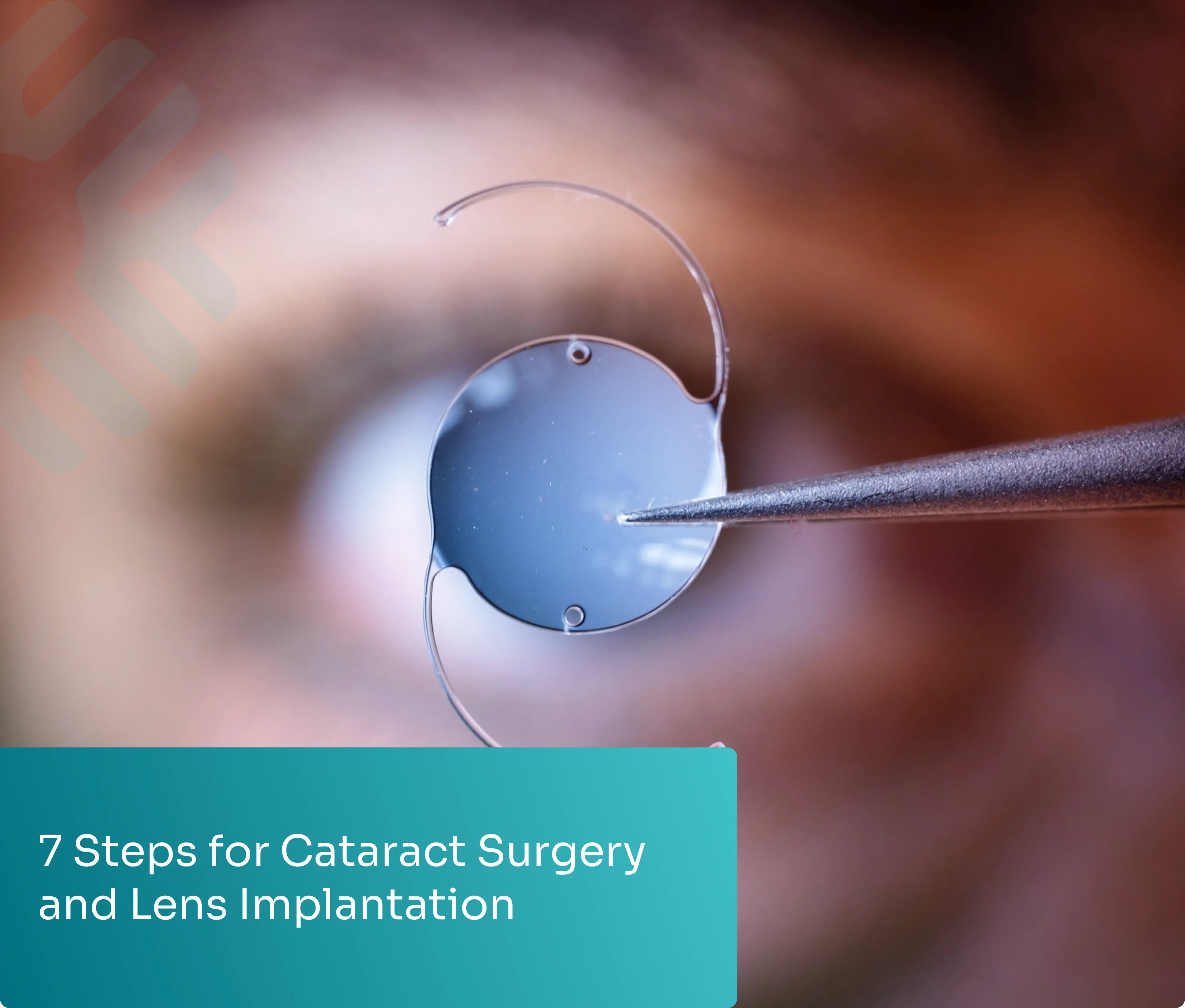
The Saudi Ministry of Health notes that cataract diagnosis depends on reviewing the medical history, symptoms, and eye examination. It also explains that the surgery involves removing the cloudy lens and replacing it with a clear artificial lens.
There is no single method that suits all patients, because managing blurred vision depends on the cause. If the blurred vision is part of normal recovery, the doctor may only recommend follow-up and the use of prescribed drops.
The medical plan may include:
Once the cause is clear, the doctor can better explain When does vision stabilize after cataract surgery? and whether the patient needs only follow-up or additional treatment.
Magrabi doctors explain that choosing treatment or follow-up depends on the examination, because blurred vision may be simple and temporary, or it may be related to another condition that needs more detailed evaluation.
Recovery after cataract surgery requires calm and regular care, not excessive worry. The goal is to protect the eye, reduce irritation, and help the artificial lens function in a stable environment.
For eye care:
This daily care helps the doctor estimate when vision stabilizes after cataract surgery more accurately, especially if vision is improving gradually without concerning symptoms.
Hamad Medical Corporation explains that full recovery often takes around four weeks, with vision improving in many patients within days. Care instructions include using drops, avoiding eye rubbing, and protecting the eye while sleeping according to the doctor’s guidance.
For many patients, asking When does vision stabilize after cataract surgery? is part of understanding the normal recovery timeline and knowing when symptoms need medical review.
Before making your decision, you can visit the cataract services page to learn how Magrabi provides medical care in this field.
Showering after cataract surgery is often possible within a short period after the procedure, but the most important point is to protect the eye from water, soap, or shampoo. Being allowed to shower does not mean the patient can wash the face in the usual way immediately, because the eye is still in the recovery stage after cataract surgery and needs gentle care.
Doctors at Magrabi Hospitals recommend following the doctor’s instructions carefully, because the suitable time for showering may differ depending on the condition of the eye and the speed of recovery. In the first few days after cataract surgery, showering should be done carefully, while avoiding directing water straight toward the face or eye.
For safer showering after surgery, the following tips may help:
If the patient notices increased eye redness, pain, discharge, or clear worsening of blurred vision after showering, it is better to see the doctor. However, if showering is done carefully while following the instructions after cataract surgery, it usually does not cause a problem during recovery.
The phone can be used after cataract surgery if the patient feels comfortable and does not notice increased blurred vision or eye strain. Phone use itself does not harm the surgery, but looking at the screen for a long time may cause dry eyes or tiredness, especially during the first few days of recovery after cataract surgery.
Using the phone wisely can help reduce eye strain while the patient is still asking, When does vision stabilize after cataract surgery?
Doctors at Magrabi Hospitals explain that the eye after cataract surgery is in a recovery phase and needs balanced rest. Therefore, phone use is not completely prohibited in most cases, but it is better to use it gradually and for short periods, stopping if the patient feels blurriness, headache, burning, or light sensitivity.
For safer phone use during the post-cataract surgery period, the following is recommended:
Some patients may notice that vision while using the phone is not clear at first. This may happen because the eye has not stabilized yet or because the glasses prescription has not been finalized. Therefore, it is not preferable to judge vision quality based on phone use during the first few days only.
If phone use causes pain, clear redness, excessive tearing, or blurring that does not improve with rest, it is better to see the doctor. However, if phone use is comfortable and does not cause bothersome symptoms, the patient may return to it gradually while following instructions after cataract surgery and attending the post-operative check-up on time.
This is another reason why When does vision stabilize after cataract surgery? should be assessed through follow-up visits, not only through screen use.
Sleeping after cataract surgery requires some simple precautions, because the eye is in the recovery stage and needs protection from accidental rubbing or pressure. The doctor may ask the patient to use an eye shield while sleeping during the first few days, especially if there is a possibility of rubbing the eye unintentionally during sleep.
Safe sleeping habits may seem simple, but they are part of the answer to When does vision stabilize after cataract surgery? because they help protect the healing eye.
Doctors at Magrabi Hospitals explain that sleeping after surgery should not make the patient feel anxious all night, but it helps protect the eye so that the post-cataract surgery stage passes smoothly. Therefore, it is better to follow the doctor’s instructions regarding sleeping position, how long to use the shield, and when it is possible to return to normal sleeping habits.
For safer sleep after cataract surgery, the following is recommended:
The patient may wake up with some dryness, mild tearing, or temporary blurred vision. This may happen during recovery after cataract surgery. In this case, the eye should not be rubbed, and no unprescribed drops should be used. It is better to follow the doctor’s instructions and wait until the eye gradually settles.
If the patient wakes up with severe pain, clear redness, discharge, or sudden worsening of vision, it is better to see the doctor without delay. However, if the symptoms are mild and improve over time, they are often part of the normal eye recovery stage after cataract surgery.
Not all causes of delayed recovery can be prevented, but commitment to care and follow-up can greatly reduce possible problems. Doctors at Magrabi Hospitals recommend that the post-cataract surgery period be organized and clear for the patient.
To support eye recovery:
These habits do not make recovery instant, but they help support a clearer answer to When does vision stabilize after cataract surgery? during medical review.
The Saudi Ministry of Health also recommends maintaining regular eye examinations and seeing a doctor if there is redness, pain, discharge, or unusual eye symptoms.
Doctors at Magrabi Hospitals recommend seeing a doctor if symptoms persist, worsen, or affect daily life. Medical help should also be sought quickly if unusual symptoms appear after surgery.
See the doctor if you notice:
In these cases, it is not enough to wait and ask When does vision stabilize after cataract surgery? because a medical assessment is needed to rule out complications.
Doctors indicate that severe pain, rapid worsening of vision, increased discharge, flashes, or the appearance of new floaters require medical evaluation because they may indicate complications that need prompt management.
Vision often improves during the first few days after surgery. However, the answer to when vision stabilizes after cataract surgery completely may differ from one person to another. Stabilization may take several weeks depending on the condition of the eye, the type of artificial lens, and the presence of other problems such as diabetes or retinal diseases.
Eyesight may start to return gradually within a few days, but the final result should not be assessed immediately after surgery. The doctor needs to perform a post-operative check-up to make sure the eye is healing and the prescription is stable.
Yes, blurred vision may be normal during the first few days due to eye recovery and adjustment to the artificial lens. If blurriness increases or is accompanied by pain, severe redness, or sudden worsening of vision, the doctor should be consulted.
The doctor determines the most suitable time depending on your condition. When showering, water, soap, or shampoo should not enter the eye. The eyelid should not be rubbed, and water should not be directed straight toward the eye.
The phone can be used for short periods if it does not cause strain or blurriness. It is better to reduce brightness, increase font size, and take rest breaks. If phone use causes clear discomfort, stop and consult the doctor if the problem continues.
Common restrictions include rubbing the eye, allowing water or shampoo into it, swimming, lifting heavy objects, strenuous exercise, and driving before the doctor allows it. The duration varies depending on the patient’s condition and the doctor’s instructions.
For an accurate medical evaluation, book an appointment with Magrabi’s specialized doctors by phone call or through the booking form.
The answer to the question “When does vision stabilize after cataract surgery?” differs from one patient to another, but improvement often starts within days and continues gradually over the following weeks.
Blurred vision or light sensitivity may be part of normal recovery, as long as they improve and do not worsen. Commitment to eye drops, the doctor’s instructions, and the post-operative check-up helps reassure the patient and identify any cause that needs follow-up without worry or exaggeration.
Medically reviewed by Dr. Khaled Al-Arfaj.
Medical Disclaimer: The information in this article is for health education purposes only and does not replace a visit to a doctor or consultation with a qualified specialist. Magrabi doctors recommend seeing a doctor to evaluate the condition accurately and determine the appropriate treatment.