- Saudi Arabia
- Egypt
- Qatar
- United Arab Emirates
November 18, 2026
Share


Last updated: 18/11/2026
Tooth contouring is a cosmetic procedure that changes the shape of a tooth by removing a small, carefully controlled amount of enamel, the hard outer layer that protects it. It may help smooth a rough edge or improve a minor difference between teeth, but it does not correct significant crowding or bite problems. The change in shape is usually visible immediately after the procedure, while the enamel that has been removed cannot be restored naturally.
Whether contouring is suitable depends on tooth health, enamel thickness, and how the teeth meet. You can learn about the options associated with it through Magrabi Health’s Cosmetic Dentistry service. After an examination, the dentist determines whether contouring is sufficient or whether another option is needed.
If you have a question about tooth contouring and whether it is suitable for your case, you can message the Magrabi Health team on WhatsApp to ask about the appropriate next step for an assessment.
Tooth contouring, also known as tooth reshaping or enamel reshaping, is a limited adjustment to a tooth’s edges or surface using specialized instruments, followed by smoothing and polishing the area. It is generally limited to minor differences in appearance and is not a procedure for repairing extensive damage or moving a tooth within the jaw.
Before exploring the details of tooth contouring, here is a quick summary of the procedure’s purpose, how it is performed, the expected results, and the main factors that determine whether it is suitable for you.
Tooth contouring can help smooth a sharp edge, adjust an uneven corner, or improve a minor difference in the edge of one tooth compared with adjacent teeth. Sometimes, contouring a single tooth is enough to make a limited adjustment without changing the other teeth.
However, if the difference results from crowding, tooth rotation, or a bite problem, other procedures may be more appropriate, because contouring does not move a tooth from its position.
Tooth contouring may be suitable for a minor cosmetic irregularity when the enamel is healthy and sufficiently thick. The table gives examples that help explain the procedure’s limits, but it does not replace a dental examination.
| Case | Could Contouring Be Suitable? |
|
A rough or uneven edge |
It may be suitable if only limited smoothing is needed. |
|
A minor difference in the shape of one tooth |
It may be suitable after an enamel and bite assessment. |
|
Significant crowding or tooth rotation |
An orthodontic assessment or another option is usually needed. |
|
A large fracture or a substantial part of the tooth is missing |
Restoration may be more appropriate than removing enamel. |
|
Thin enamel or noticeable wear |
Contouring may not be appropriate because the protective layer is limited. |
Tooth contouring is not suitable for every case, especially if the tooth structure is weak or the desired adjustment is substantial. In some cases, removing part of the enamel may increase sensitivity or affect the tooth’s health and function.
Situations that may require postponing the procedure or choosing another option include:
For this reason, the decision to perform tooth contouring is not based on appearance alone. It requires an examination of enamel thickness, tooth health, and how the upper and lower teeth meet. This assessment helps the dentist determine whether contouring can be performed safely or whether another option would better preserve dental health while achieving the desired balance.
The tooth contouring procedure begins with an examination of the tooth structure and bite, followed by identifying the area that can be adjusted without removing excessive enamel. It usually includes the following steps:
In many cases, superficial contouring may not require anesthesia because enamel contains no nerves. However, the decision depends on the location of the adjustment, tooth sensitivity, and the individual’s condition.
Before contouring, you may notice a rough edge, a protruding corner, or a slight difference between one tooth and another. After the procedure, the area may feel smoother and the edges may look more even. The visible difference depends on the nature of the concern and how much enamel can be adjusted safely.
Tooth contouring does not change tooth color or treat large gaps or dental crowding. Expectations for tooth contouring before and after should therefore be realistic: the change is usually limited, rather than a complete redesign of the smile.
The dentist checks four factors to help choose the appropriate procedure:
This assessment may result in a recommendation not to proceed with contouring. The goal is to preserve the tooth’s health and function, not to achieve a specific shape by any means.
Yes. Tooth contouring results are permanent in terms of the change made to tooth structure, because the procedure removes a limited amount of enamel, which does not grow back once removed. Therefore, the adjustment a dentist makes to the tooth edges or shape does not automatically return to its previous state.
However, the permanence of contouring does not mean that the appearance of the teeth will remain exactly the same throughout life. Teeth may change over time due to natural wear, teeth grinding, biting hard objects, or injuries that alter the shape of the edges.
To help maintain the results, it is advisable to take care of oral hygiene, avoid habits that may wear down enamel or chip the edges, and attend regular dental check-ups. A dentist may also recommend a night guard if you grind your teeth while sleeping.
It is important to understand that the permanence of the change makes a dental assessment before contouring essential, to ensure that the amount of enamel to be removed is appropriate and will not affect tooth health or function in the long term.
The terms tooth contouring and tooth filing are sometimes used for similar procedures involving the removal of a limited amount of enamel to change tooth shape. The table below explains the difference between these uses in terms of purpose and the nature of the adjustment.
| Comparison | Tooth Contouring | Tooth Filing |
|
Purpose |
Improving the balance and shape of tooth edges |
Making a limited change to tooth shape or length |
|
Method |
Removing a small amount of enamel and reshaping the edges or surface |
Removing a limited amount of enamel with specialized instruments |
|
Suitable cases |
Uneven edges and minor differences in tooth shape |
Some minor differences in tooth length or edges |
|
Expected results |
More even and balanced edges |
A limited change in tooth shape or length |
|
Limits and risks |
Depend on enamel thickness, tooth health, and the bite |
Depend on the same factors, with a need to avoid excessive enamel removal |
It is important to know that contouring and filing are not necessarily separate dental procedures; the terms may describe the same technique. The dentist determines the appropriate adjustment based on the condition of the tooth and the desired result.
For more details on changing the shape of the front teeth, you can read the article on Front Teeth Shaving.
Tooth contouring and tooth size reduction differ in their purpose and the amount of adjustment needed, although some of the techniques used may be similar. The table below highlights the main differences between them:
|
Comparison |
Tooth Contouring |
Tooth Size Reduction |
|
Purpose |
Improving the balance and shape of tooth edges |
Reducing tooth length or size when medically appropriate |
|
Method |
Removing a small amount of enamel to modify the edges or surface |
Adjusting tooth length or dimensions using the technique appropriate for the case |
|
Suitable cases |
Uneven edges and minor differences in tooth shape |
Teeth that look long or large compared with adjacent teeth |
|
Extent of change |
Limited and focused on small details |
Depends on the amount of change required and may exceed what enamel removal alone can achieve |
|
Expected results |
More even and balanced edges |
Reducing the difference in tooth length or size |
|
Limits and risks |
Depend on enamel thickness, tooth health, and the bite |
Require assessing how much reduction is possible without affecting tooth structure or function |
It is important to know that reducing tooth size may involve contouring or filing in some cases, but it is not always a separate procedure. The dentist chooses the appropriate option according to the amount of change needed and the health of the teeth.
To learn about cases involving tooth length and size, you can read the article on How to Make Big Teeth Smaller.
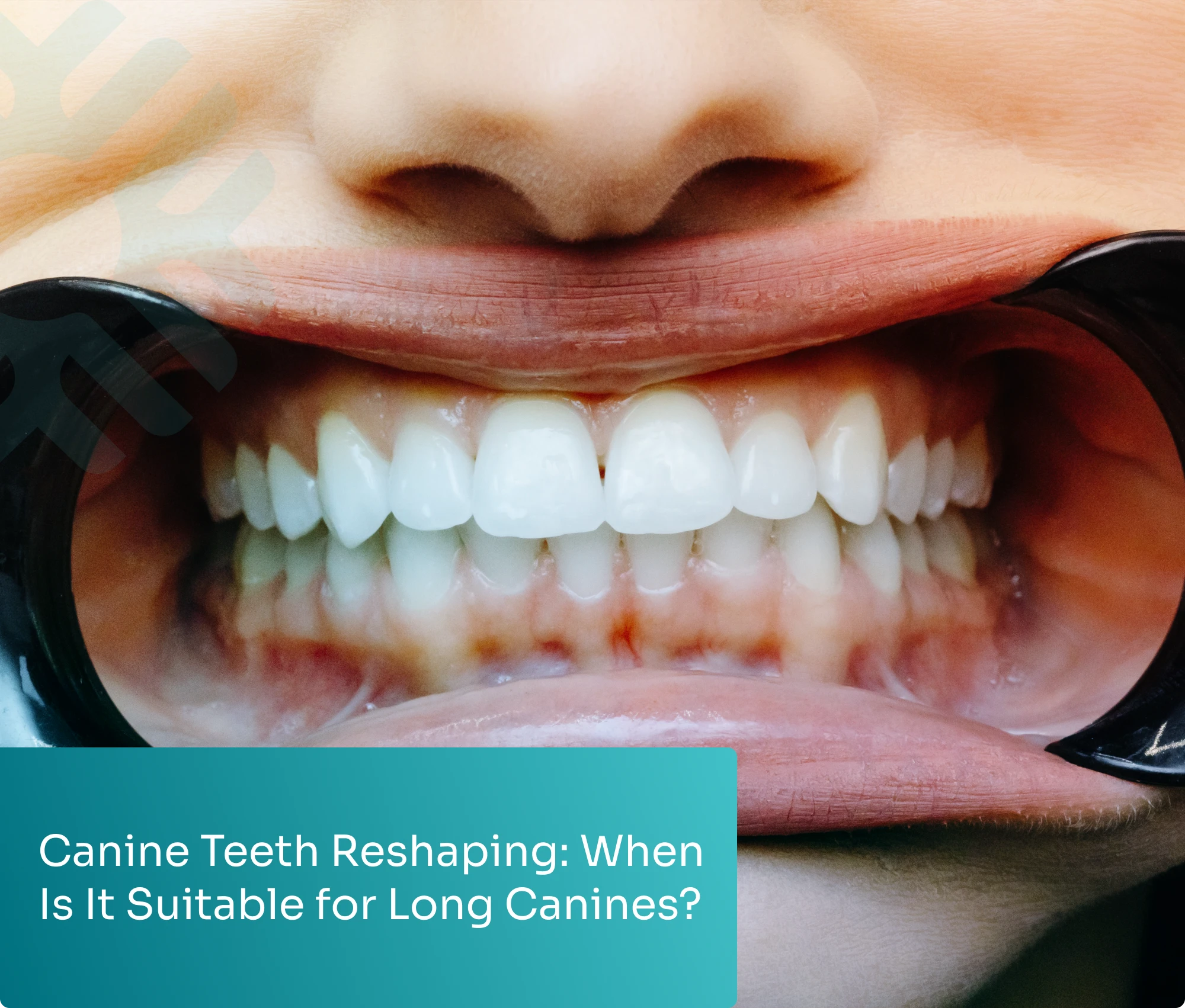
If the concern involves a long or pointed canine tooth, you can also read the article on Canine Teeth Filing to learn more about the options available to adjust its shape.
Tooth contouring is a minimally invasive cosmetic procedure when performed in suitable cases, but it is not without risks. Its safety depends on tooth health, enamel thickness, and the amount of adjustment needed, so a thorough examination should come first to determine whether contouring can be performed without affecting tooth structure or function.
The main risks and limitations to understand before the procedure include:
It is important not to attempt to contour or file teeth at home using a file or sharp tools, because removing enamel without proper planning may cause permanent damage that is difficult to repair.
To reduce these risks, the dentist assesses enamel thickness, tooth health, and the bite before the procedure, and determines how much adjustment is possible. Another cosmetic option may be recommended if contouring cannot achieve the desired result without affecting dental health.
Tooth contouring usually does not require a long recovery period, especially when the procedure is limited to removing a small amount of enamel and adjusting tooth edges. Most people can return to their daily activities and eat normally afterward, unless the dentist advises otherwise.
However, temporary sensitivity to hot or cold drinks may occur in the days following contouring. This varies from person to person depending on the condition of the enamel and the amount of adjustment made.
Daily dental care helps maintain oral health and reduce potential problems after the procedure. The main recommendations include:
It is advisable to see a dentist before having tooth contouring, even if the desired adjustment is minor. An examination helps assess enamel health, tooth structure, and the bite, and determine whether contouring is appropriate or another procedure is needed.
A dental evaluation is especially important in the following situations:
A dental evaluation helps identify problems early and determine the appropriate step to protect oral health. You should not try to adjust or file tooth edges at home if you feel discomfort, because doing so may remove additional enamel unsafely.
If you would like to have your tooth shape assessed and find out whether contouring is appropriate, you can book an appointment through the Magrabi Health booking form or by phone to arrange a visit with a dentist.
Tooth contouring may be suitable for smoothing a rough edge or adjusting a minor difference in tooth shape, but it is not a solution for every cosmetic concern. Enamel health, the bite, and tooth condition remain essential factors before making a decision. Because removed enamel does not return, it is important to discuss the expected amount of change and its risks with a dentist. An examination helps you choose a procedure that preserves as much tooth structure as possible or identify a more suitable alternative when needed.
Medical review: Dr. Ahmed El Tokey.
Medical Disclaimer: The information in this article is intended for health education only and does not replace a visit to a doctor or consultation with a qualified specialist. Magrabi Health recommends consulting a dentist for an accurate assessment and to determine the appropriate option.

The Magrabi Health Editorial Team creates educational medical content designed to help readers better understand symptoms, diagnostic tests, treatment options, and preventive healthcare measures across a wide range of medical topics, drawing on trusted sources and specialized clinical expertise. Since 1955, Magrabi Health has built more than 70 years of experience in specialized healthcare through a regional network of over 40 facilities across 5 countries. Its commitment to quality and patient safety is reflected in numerous accreditations and recognitions, including the designation of several eye centers as Centers of Excellence in Ophthalmology by the Surgical Review Corporation (SRC). This content is intended for educational purposes only and should not be considered a substitute for professional medical advice, diagnosis, or treatment.
Tooth contouring, also known as tooth reshaping or enamel reshaping, is a cosmetic procedure that changes the shape of a tooth by removing a small, carefully controlled amount of enamel to improve the balance of tooth edges and shape.
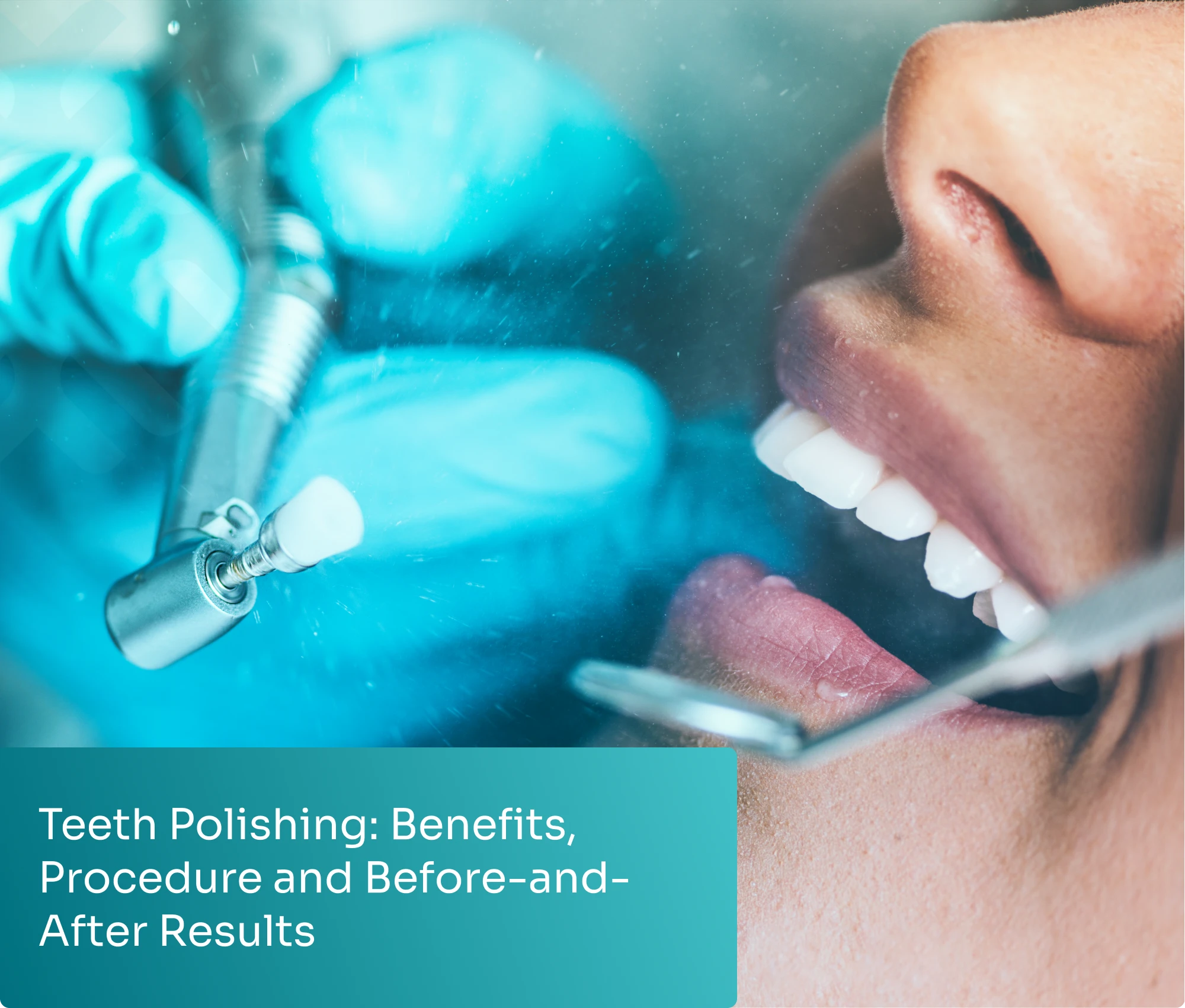
Tooth contouring involves removing a limited amount of enamel, followed by a bite check and polishing to smooth the area.
Tooth contouring may be suitable for individuals with healthy teeth and gums, sufficient enamel thickness, and minor cosmetic irregularities.
Tooth contouring can help smooth a sharp edge, adjust an uneven corner, or improve a minor difference in the edge of one tooth compared with adjacent teeth.
Tooth contouring is not suitable for cases with active tooth decay, weak or worn enamel, large cracks, persistent tooth sensitivity, significant bite problems, or a desire for major changes in tooth length or size.
The procedure begins with an examination, followed by identifying the area to be adjusted, removing a small amount of enamel, checking the bite, and polishing the tooth surface.