- Saudi Arabia
- Egypt
- Qatar
- United Arab Emirates
November 16, 2026
Share


Last updated: 16/11/2026
Tooth discoloration is a change in the color of a tooth’s surface or internal structure. It may appear as black or brown spots, or as a single tooth turning gray or dark. Some stains develop on the enamel because of beverages, tobacco, and the buildup of deposits, while others are linked to an old injury or changes in tooth tissues. Not every black spot indicates a cavity; appearance and location alone are not enough to identify the cause. Some stains may disappear with professional cleaning, while other cases require a different treatment. This guide explains how to distinguish between types of discoloration, the causes in adults and children, and when a dental examination is necessary.
Have you noticed a dark spot on your teeth without knowing why? You can ask the Magrabi Health team about an examination and the appropriate specialty. Message us on WhatsApp about tooth discoloration
Tooth discoloration is a localized or general change in tooth color. It may appear as lines near the gums, spots on the enamel surface, or a dark shade affecting the entire tooth. The appropriate approach depends on whether the color is on the surface or within the tooth tissues.
If the color change persists or affects the appearance of your teeth, you can learn about Cosmetic Dentistry at Magrabi Health to understand examination and discoloration management options after confirming the health of the teeth and gums.
Tooth discoloration is generally divided into two main types:
Both types may occur in the same tooth, so the outcome is not the same in every case.
The appearance and location of a spot can help guide the examination, but they do not provide a confirmed diagnosis.
| Observed appearance | Possible cause | Appropriate next step |
|
A thin black line near the gums |
Extrinsic bacterial staining or discolored tartar |
Dental examination and deposit removal if needed |
|
Brown spots on several teeth |
Pigments from beverages or enamel changes |
Identify the source of discoloration before treatment |
|
A dark spot with a cavity |
Possible tooth decay |
Examine the tooth and assess the need for a restoration |
|
One tooth has turned gray |
Previous injury or an internal tooth change |
Examine the pulp; X-rays may be needed |
|
Black dots on a child’s teeth |
Bacterial staining, iron, or decay |
Examination by a pediatric dentist |
Important: These examples are illustrative. Tooth discoloration cannot be distinguished from decay based on color or appearance alone.
Tooth discoloration causes vary according to the color and location of the spot, age, and dental history. Common daily factors include dark beverages, tobacco, and plaque buildup, while deeper changes may be associated with medications, injuries, or enamel development problems.
Black stains on teeth may appear as a broken line near the gums, as dark deposits on the teeth, or as a defined spot within the tooth surface. Possible causes include:
A black line near the gums is not necessarily decay. Likewise, a painless spot does not rule out a problem. An examination remains important when the cause is unclear.
Brown spots on teeth may result from frequent exposure to coffee, tea, and tobacco, or from certain medical mouthwashes such as chlorhexidine. They can also be linked to changes during enamel development or to tooth decay, especially when the discoloration is accompanied by a cavity or a change in the tooth surface.
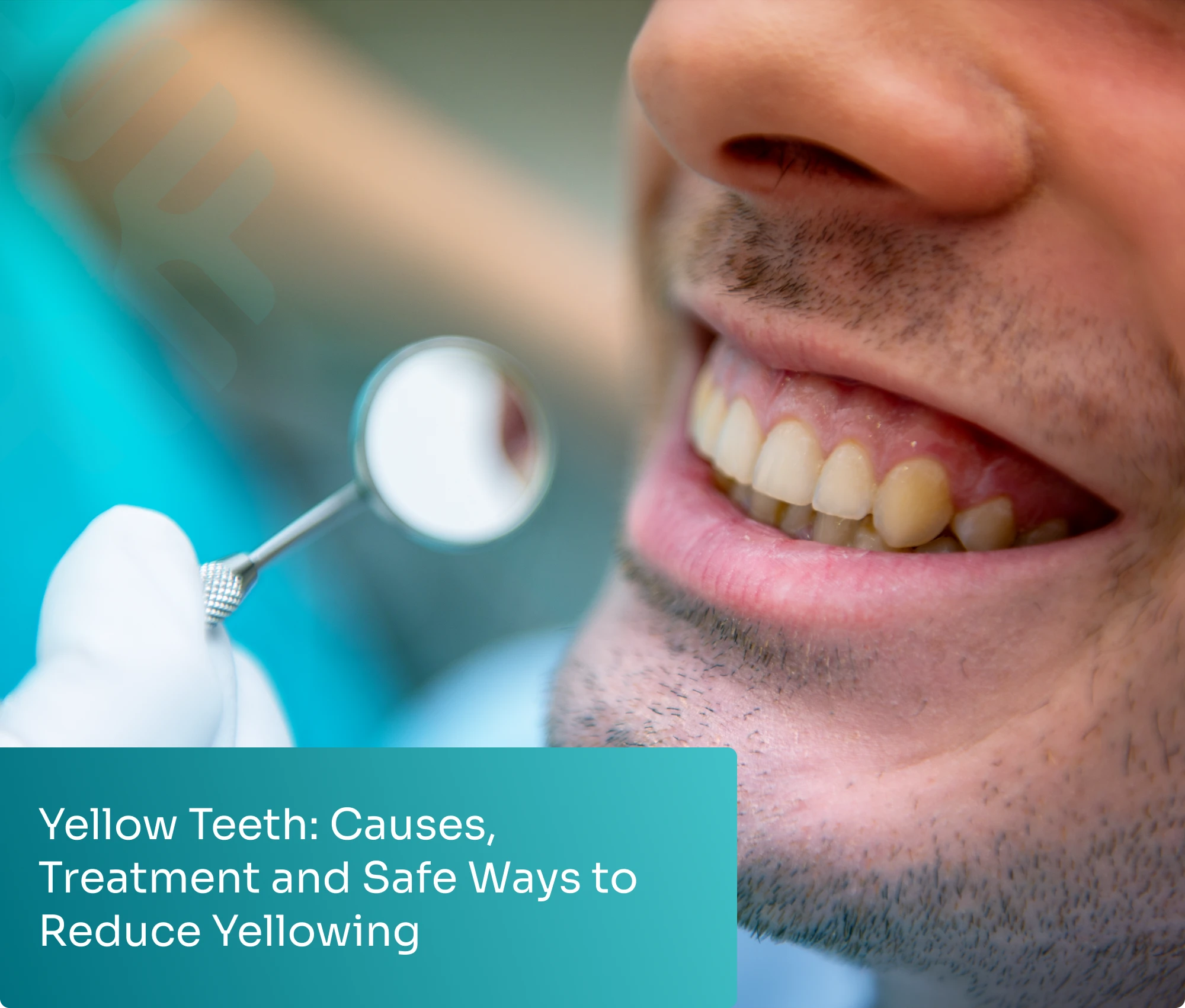
If the change affects the teeth more generally as widespread yellowing rather than distinct dark spots, you can read more about yellow teeth treatment.
One tooth may change color after a blow or a fall, even if there was no visible fracture at the time of injury. The change may be associated with damage to the tooth pulp, deep decay, certain restorative materials, or changes after root canal treatment. Color change alone is not enough to determine pulp vitality; an examination and appropriate tests are needed.
Causes of intrinsic tooth discoloration include dental injuries, certain changes in enamel and dentin, exposure to some medications such as tetracycline during tooth development, or excessive fluoride exposure in childhood. Color changes may also occur after root canal treatment. Response to cleaning or whitening varies according to the source and depth of the discoloration.
Discoloration is a change in tooth color, while tooth decay is the gradual loss of minerals and tooth tissue caused by acids produced by plaque bacteria. Both may look brown or black, which can make it difficult to tell them apart by sight alone.
| Point of comparison | Tooth discoloration | Tooth decay |
|
Nature of the problem |
A change in tooth color that does not necessarily indicate damage |
Gradual loss of minerals and tooth tissue |
|
Appearance of spots |
May appear brown or black on the tooth surface |
May appear as brown or black spots and can progress to a cavity |
|
Condition of tooth enamel |
Enamel may be healthy despite the stain |
Mineral loss occurs and may progress to damage to tooth structure |
|
Pain and sensitivity |
Surface stains generally do not cause pain |
May begin without pain; sensitivity or pain may develop as it progresses |
|
Treatment |
Some surface stains may be removed by professional cleaning |
Treatment depends on the extent of decay and tooth damage |
|
Diagnosis |
The dentist examines the color and location of the spots and the condition of the tooth surface |
The dentist checks for cavities and changes in tooth structure and may use X-rays if needed |
Note: Stains and cavities cannot always be distinguished by looking at them. Dark spots should therefore be examined by a dentist, and you should avoid rubbing them aggressively or trying to scrape them off at home.
The assessment begins by asking when the spots appeared, whether they developed suddenly or gradually, and whether they followed a fall, injury, or root canal treatment. The dentist also asks about smoking, beverages, medications, and mouthwashes used.
The dentist then examines the teeth and gums, the location of the discoloration, the enamel surface, and nearby fillings. If one tooth has changed color or decay or an internal problem is suspected, pulp tests or dental X-rays may be used. These steps help determine whether the tooth needs cleaning, treatment, or a cosmetic procedure.
Tooth discoloration in children may appear on baby teeth or permanent teeth. It is important not to assume that every dark spot is decay, or that every stain can be removed with home products. Management depends on the child’s age, the cause, and the health of the enamel.
The causes of black teeth and black spots in children vary according to the child’s age and the type and location of the spots. They may result from surface factors such as plaque buildup or certain medications and supplements, or they may be linked to tooth decay or dental injuries. Identifying the cause helps select the appropriate treatment and protect the child’s dental health.
If a child is taking prescribed iron, it should not be stopped because of tooth staining without consulting the prescribing doctor.
Yes. Some black stains of bacterial origin may return after professional cleaning, especially if the factors associated with their formation continue. The time it takes for them to return varies from one child to another depending on the bacteria present in the mouth and the factors that affect stain buildup.
The recurrence of these spots does not necessarily mean tooth decay or poor oral hygiene; they may appear even with regular daily brushing. Nevertheless, follow-up with a pediatric dentist is recommended to determine whether additional cleaning or routine examinations are needed, while continuing daily dental care.
A child’s tooth discoloration should be examined by a dentist if new spots do not disappear with regular brushing, or if existing spots spread or the tooth surface changes. An examination is particularly important if there is pain, sensitivity, or a visible cavity, as these signs may indicate decay or another problem requiring treatment.
A tooth should also be examined if it turns gray or black after the child falls or sustains an injury, even without pain, to check the health of the tooth and surrounding tissues.
Early examination helps distinguish surface stains from changes related to dental health and determine treatment suitable for the child’s age. Adult whitening products or abrasive materials should not be used to remove spots at home without consulting a dentist.
Tooth discoloration treatment depends on the cause, not the depth of the color alone. Professional cleaning may improve the appearance of surface stains, while decay requires treatment and restoration. Intrinsic discoloration needs a different assessment before a cosmetic procedure is chosen.
Treatment of black stains on teeth depends on the source of the color. Professional cleaning may help remove surface stains, while discolored tartar needs to be removed. If decay is present, treatment focuses on the damaged part of the tooth. When the dark color results from an internal change, the dentist treats the cause first and then discusses appropriate cosmetic options.
Some bacterial staining may return even after removal, so repeated scraping or using strong products on your own is not recommended. Whitening does not treat a cavity and cannot remove every type of intrinsic discoloration.
If brown spots are linked to surface pigments, the dentist may recommend professional cleaning and reducing the causes of staining. If they result from an enamel defect or decay, the dentist determines whether conservative treatment or a restoration is needed. Options to improve color are considered only after confirming that the tooth is healthy.
The dentist first assesses the health of the tooth and pulp, asks about injuries, fillings, and root canal treatment, and may perform tests or request X-rays. If a dental condition is found, it is treated before appearance is considered. For some teeth that have had root canal treatment, internal bleaching or a cosmetic restoration may be discussed depending on the case; neither is suitable for everyone.
To understand general whitening options without confusing them with treatment for decay or dental injuries, you can read the article on teeth whitening and whitening methods.
Home care helps limit new surface stains, but it cannot remove tartar or treat decay or intrinsic discoloration. Brush twice daily with fluoride toothpaste, clean between your teeth every day, reduce smoking and heavily staining drinks, and rinse with water afterward.
Avoid lemon, charcoal, and abrasive homemade mixtures, as they may harm enamel and gums. Do not use whitening products before an examination if you have an unexplained dark spot, sensitivity, or suspected decay.
Some color remains because its source is within the tooth rather than on the surface, or because it is linked to changes in enamel, a filling, or decay. Professional cleaning removes deposits and external stains, but does not change the color of restorations or treat pulp injuries.
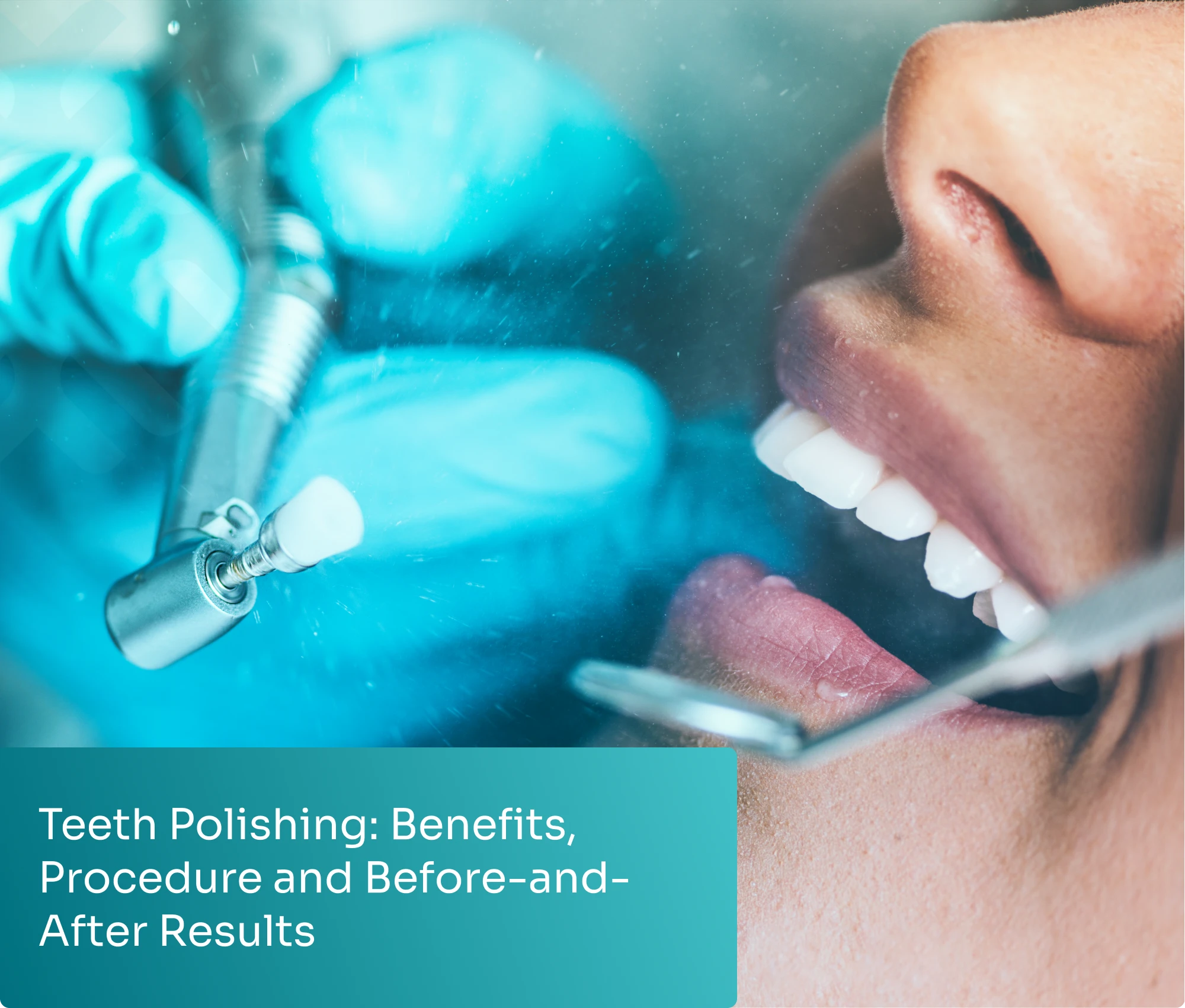
You can learn about the difference between removing deposits and teeth polishing in the dedicated article, without considering polishing a treatment for every type of discoloration.
It is advisable to see a dentist if a spot persists or appears without a clear cause, especially in the following cases:
Severe pain, facial swelling, or fever requires prompt assessment. If swelling is accompanied by difficulty breathing or swallowing, emergency medical care is necessary.
If dark spots persist or a single tooth changes color, you can book an examination with Magrabi Health dentists to identify the cause and appropriate next step. Book an appointment through the online booking form, or call us.
Tooth discoloration includes surface stains that may improve with professional cleaning and internal changes that need a different assessment. Black and brown spots may result from deposits, bacterial staining, or decay, so the color of a spot alone is not enough to determine treatment. A dental examination helps identify the cause, particularly when a single tooth changes color, stains persist, or discoloration appears in children. Daily care and appropriate follow-up remain important parts of maintaining dental health and appearance.
Medical review: Dr. Ahmed El Tokey.
Medical Disclaimer: The information in this article is intended for health education purposes only and is not a substitute for a visit to a doctor or consultation with a qualified specialist. Magrabi Health recommends seeing a dentist for an accurate assessment and to determine the appropriate option.

The Magrabi Health Editorial Team creates educational medical content designed to help readers better understand symptoms, diagnostic tests, treatment options, and preventive healthcare measures across a wide range of medical topics, drawing on trusted sources and specialized clinical expertise. Since 1955, Magrabi Health has built more than 70 years of experience in specialized healthcare through a regional network of over 40 facilities across 5 countries. Its commitment to quality and patient safety is reflected in numerous accreditations and recognitions, including the designation of several eye centers as Centers of Excellence in Ophthalmology by the Surgical Review Corporation (SRC). This content is intended for educational purposes only and should not be considered a substitute for professional medical advice, diagnosis, or treatment.
They may be caused by discolored tartar, bacterial stains, or tobacco; decay may also be a cause. The shape and location of the spot help guide the examination, but diagnosis does not rely on color alone.
Surface stains may be reduced with regular care, but tartar and intrinsic discoloration cannot be removed by brushing alone. Avoid acidic or abrasive mixtures and consult a dentist if the spot remains.
Both may look like a dark spot. A cavity or a change in the tooth surface makes an examination for decay particularly important, but a definite conclusion requires a dental assessment.
This may happen after an injury, because of changes in the tooth pulp, or after certain dental treatments. The tooth needs to be examined, and pulp tests or X-rays may be required.
Some bacterial stains may return after cleaning, but this does not necessarily indicate decay. A pediatric dentist determines whether follow-up or additional cleaning is needed.
Some discoloration is internal or linked to enamel changes, a filling, or decay. Professional cleaning removes surface deposits and stains, but does not treat every cause of color change.