- Saudi Arabia
- Egypt
- Qatar
- United Arab Emirates
November 2, 2026
Share


Last updated: 2/11/2026
The term tooth paint is used online to describe more than one product or cosmetic approach, so its meaning can vary from one person to another. It may refer to a temporary white coating applied to the tooth surface, a whitening product painted directly onto the teeth, or, less accurately, to procedures such as veneers or tooth polish. Tooth paint is not one standardized dental treatment, and it does not treat tooth decay or structural damage.
A dental examination can help identify the cause of a color change before choosing any cosmetic product or procedure. The dentist may consider enamel health, gum condition, existing fillings or crowns, and whether the concern is mainly related to color, shape, or an underlying dental problem.
Have a question about tooth color or the cosmetic option that may suit your needs? Message Magrabi Health on WhatsApp for initial guidance before your visit.
Cosmetic tooth paint is not a single medical procedure. The phrase is commonly used online for temporary surface products, whitening materials applied directly to the teeth, and sometimes for very different cosmetic procedures such as veneers. The exact product or procedure should therefore be identified before comparing safety, duration, or expected results.
The word “paint” often describes the way a material is placed on the tooth surface rather than a specific dental treatment. In practice, it may refer to white tooth paint used temporarily, a whitening gel brushed onto the teeth, or other cosmetic products. Veneers and cosmetic fillings are different procedures with different purposes and durability. Professional tooth polishing and fluoride varnish are also separate procedures: polishing removes deposits and some surface stains, while fluoride varnish is preventive and is not used to whiten teeth.
|
Term |
What It Usually Means |
Is It Permanent? |
|
White tooth paint |
A cosmetic surface product or coating intended to change the visible appearance of a tooth for a limited period. |
Usually temporary |
|
Teeth whitening paint |
A whitening gel or material painted directly onto the teeth according to the product or treatment plan. This is sometimes described as paint-on teeth whitening. |
Results are not permanent |
|
Cosmetic filling / bonding |
A tooth-colored restorative material used to repair a damaged area or make a limited change in tooth shape. |
Longer-lasting than temporary tooth paint |
|
Veneers |
Thin cosmetic shells placed over the front surface of teeth to change visible shape, color, or proportions. |
A longer-term cosmetic option |
|
Fluoride varnish |
A preventive material applied to teeth to support protection against decay. |
Not a whitening procedure |
If your goal is to improve tooth color or shape, learn more about Cosmetic Dentistry at Magrabi Health to understand the available options and how a dentist chooses an appropriate procedure after examination.
Teeth whitening is a cosmetic procedure intended to lighten the shade of natural teeth using whitening agents. Tooth paint is a broader and less standardized term that may refer to a temporary surface product, a whitening material applied directly to the tooth, or another product marketed for cosmetic use. The two terms should therefore not be treated as interchangeable.
The Saudi Ministry of Health explains that teeth whitening is intended to lighten the natural tooth shade and that the health of the teeth and gums should be considered before whitening. The American Dental Association (ADA) also notes that whitening affects natural teeth but does not change the color of tooth-colored fillings, crowns, or other restorations in the same way. This can create a visible shade difference when restorations are present in the smile area.
Some products may be described as teeth whitening paint or paint-on teeth whitening because a gel is brushed directly onto the tooth surface. In that context, “paint” describes the application method rather than a separate category of cosmetic dentistry.
Teeth whitening may be more appropriate when the main concern is a change in the color of healthy natural teeth that is likely to respond to whitening agents. If there is a fracture, an old filling, a noticeable change in tooth shape, or deep internal discoloration, the dentist may need to consider another option after identifying the cause.
For a detailed overview of professional and home-supervised options, read Teeth Whitening: Types, Benefits & Best Options at Magrabi Health.
White tooth paint usually refers to a cosmetic product applied directly to the tooth surface to make it look whiter for a short period. Some people also use the phrase for whitening materials that are brushed onto the teeth. The effect depends on the product, its ingredients, and how it is used, so it is important to confirm that the product is specifically intended for use inside the mouth.
A temporary cosmetic coating is not expected to produce a permanent change in tooth color. Its appearance may be affected by food, drinks, friction, and oral cleaning. Teeth whitening results are also not permanent, and tooth shade can gradually change over time depending on habits, the type of discoloration, and oral care.
Temporary tooth paint describes surface products intended to change the visible color or appearance of a tooth for a limited period. It does not treat the cause of discoloration and should not be used to cover tooth decay, a fracture, gum inflammation, or another dental problem. If one tooth changes color suddenly or looks different from the surrounding teeth, identifying the cause is more important than masking the appearance.
If someone chooses a temporary cosmetic product, it should be specifically designed for oral use and used only according to the manufacturer’s instructions. It should not be used to conceal pain, decay, a fracture, bleeding gums, or unexplained discoloration because covering the surface does not treat the underlying problem.
Terms such as teeth paint, tooth coloring, or tooth staining are sometimes used loosely when people are searching for ways to change tooth color. They do not identify one specific dental procedure. Tooth discoloration may be superficial and related to coffee, tea, smoking, or plaque, or it may develop deeper within the tooth because of trauma, changes in tooth structure, previous treatment, or other factors.
If the goal is to understand why the color has changed before trying to cover it, you can read more about the causes of tooth discoloration and yellowing and how the type of discoloration can affect the choice between whitening, restoration, or another cosmetic option.
It is generally better not to choose a color-changing product before understanding the cause of discoloration, especially when the change affects only one tooth, is accompanied by new pain or sensitivity, or there are fillings or crowns on the front teeth. A dental examination can help distinguish surface staining from conditions that need a different form of treatment.
The phrase tooth polish may be used for removable cosmetic products designed to create a temporary color effect on the teeth. It should not be confused with ordinary nail polish or with professional dental polishing performed in a clinic. The safety of a cosmetic product depends on whether it is specifically designed and approved for oral use and whether the manufacturer’s instructions are followed.
Products made for nails or external surfaces are not designed to remain in contact with teeth, gums, or saliva. They may contain ingredients or solvents that are not intended for oral use. Applying a coating over a decayed, cracked, or painful tooth can also hide the appearance temporarily without treating the underlying condition.
There are home-use whitening products and temporary cosmetic products designed specifically for teeth, but not every product marketed as tooth paint is suitable for every person. Products intended for oral use should only be used according to their directions. Homemade recipes, nail polish, and materials not designed for the mouth should not be used to change tooth color.
The NHS advises that teeth and gums should be assessed before whitening to make sure the treatment is appropriate. It also emphasizes that whitening materials need to be used correctly to help protect the teeth and gums.
Changing the visible surface of a tooth may not be the right first step when the concern is caused by:
In these situations, the priority is to identify the cause and select the appropriate treatment or cosmetic procedure rather than simply covering the color.
If the natural teeth are healthy and the main concern is staining or yellowing, the dentist may discuss teeth whitening after assessing the type of discoloration and the health of the teeth and gums. Fillings, crowns, and veneers do not change color with whitening agents in the same way as natural teeth.
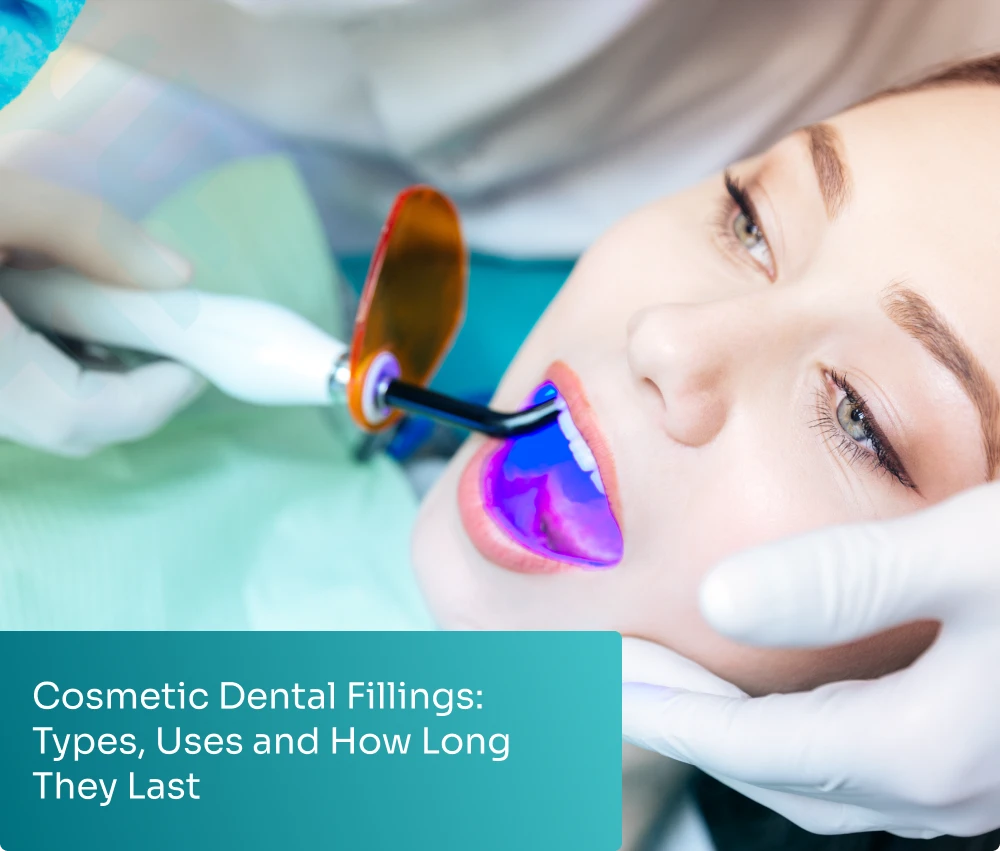
When a tooth has a small damaged or broken area, or needs a limited restoration, tooth-colored and cosmetic fillings may be among the options the dentist discusses instead of masking the problem with temporary tooth paint. Tooth-colored restorative materials can help restore part of the tooth’s shape and function depending on the condition.
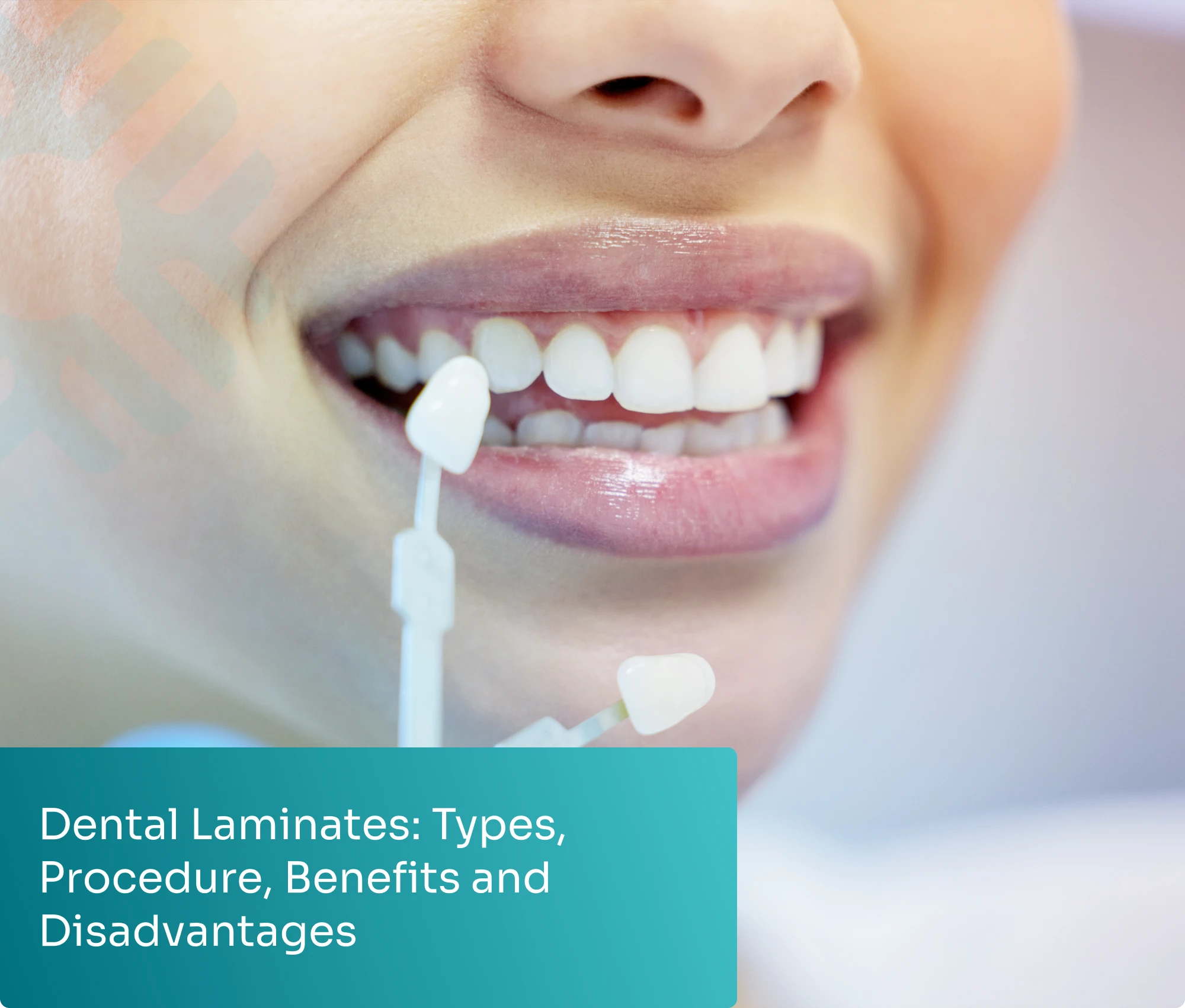
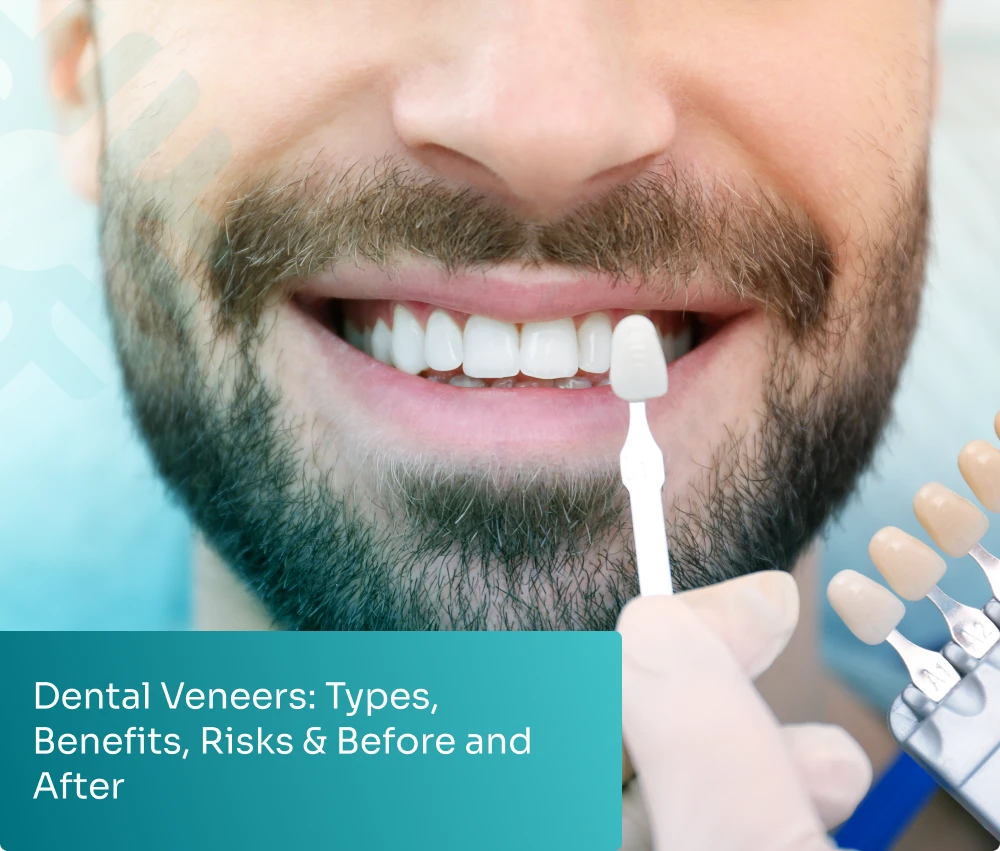
The dentist may discuss dental veneers when a broader change in tooth shape, color, or visible proportions is needed and cannot be achieved with a temporary surface product. Veneers are not temporary tooth paint; they are cosmetic shells placed over the front surface of the tooth according to an assessment and treatment plan.
The decision begins with an examination of the teeth and gums and an assessment of why the color or shape has changed. The dentist considers the natural tooth shade, enamel condition, type of discoloration, existing fillings, crowns or veneers, gum health, and the bite. Options can then be compared from the least invasive approach to more extensive treatment when needed.
A dental assessment is recommended when a change in tooth color persists, affects only one tooth, is associated with pain or sensitivity, or is accompanied by a spot, cavity, fracture, or gum problem. It is also useful when you are considering a cosmetic procedure but are unsure which option is appropriate. An examination helps determine whether the concern is cosmetic only or whether another dental problem needs treatment first.
If tooth discoloration is persistent, or you are considering a cosmetic procedure and need an assessment, you can book an appointment through the official booking form or call the Contact Center at 920018000 to choose a suitable appointment and next step.
Tooth paint is not one standardized dental procedure. It may refer to temporary white tooth paint, a whitening material applied directly to the teeth, or may be used incorrectly for other cosmetic procedures. The most important step is to understand why the tooth color or shape has changed before choosing a product or treatment. A dental examination can help determine whether whitening, a cosmetic restoration, veneers, or another option is more appropriate while protecting tooth health and function.
Edited and medically reviewed by Dr. Ahmed El Tokey.
Medical Disclaimer: The information in this article is for health education purposes only and does not replace a visit to a dentist or consultation with a qualified dental professional. Magrabi Health recommends seeking a dental evaluation for an accurate assessment and to determine the most appropriate option for your condition.

The Magrabi Health Editorial Team creates educational medical content designed to help readers better understand symptoms, diagnostic tests, treatment options, and preventive healthcare measures across a wide range of medical topics, drawing on trusted sources and specialized clinical expertise. Since 1955, Magrabi Health has built more than 70 years of experience in specialized healthcare through a regional network of over 40 facilities across 5 countries. Its commitment to quality and patient safety is reflected in numerous accreditations and recognitions, including the designation of several eye centers as Centers of Excellence in Ophthalmology by the Surgical Review Corporation (SRC). This content is intended for educational purposes only and should not be considered a substitute for professional medical advice, diagnosis, or treatment.
Tooth paint is a term used to describe various products or cosmetic approaches, including a temporary white coating applied to the tooth surface, a whitening product painted directly onto the teeth, or procedures like veneers or tooth polish.
Teeth whitening is a cosmetic procedure intended to lighten the shade of natural teeth using whitening agents, while tooth paint is a broader term that may refer to temporary surface products or whitening materials applied directly to the tooth.
No, white tooth paint is usually a temporary cosmetic coating and does not produce a permanent change in tooth color.
Temporary tooth paint refers to surface products intended to change the visible color or appearance of a tooth for a limited period.
Tooth paint may not be suitable when there is tooth decay, a fracture, new pain or sensitivity, deep internal discoloration, or gum inflammation.
Yes, but only products specifically designed for home dental use should be used according to their instructions. Nail polish and homemade mixtures should not be applied to teeth.