- Saudi Arabia
- Egypt
- Qatar
- United Arab Emirates
June 24, 2026
Share


Last Updated: 24/06/2026
Exotropia occurs when one or both eyes turn outward instead of focusing on the same point. Outward eye deviation may appear intermittently when a person is tired, daydreaming, or not focusing, and it may become more noticeable over time if it is not evaluated. Exotropia is not only related to appearance. It may sometimes affect the ability of both eyes to work together, and it may be accompanied by double vision, eye strain, or poor eye control. Therefore, a squint examination helps identify the cause and determine whether the patient needs glasses, follow-up, eye exercises, or another treatment option.
Do you have a question about outward eye deviation or repeated squint? Contact the Magrabi team via WhatsApp to understand the suitable specialty and the closest medical next step for your condition.
Exotropia is a type of squint in which the eye moves outward, away from the direction of the nose. It is medically known as Exotropia, and it is sometimes called divergent squint because the direction of the deviation is outward.
Exotropia may be intermittent. It may appear when the person is tired, looking at a distant object, or losing focus, then the eye returns to its normal position. In some cases, exotropia may be constant, meaning the outward eye deviation remains visible most of the time.
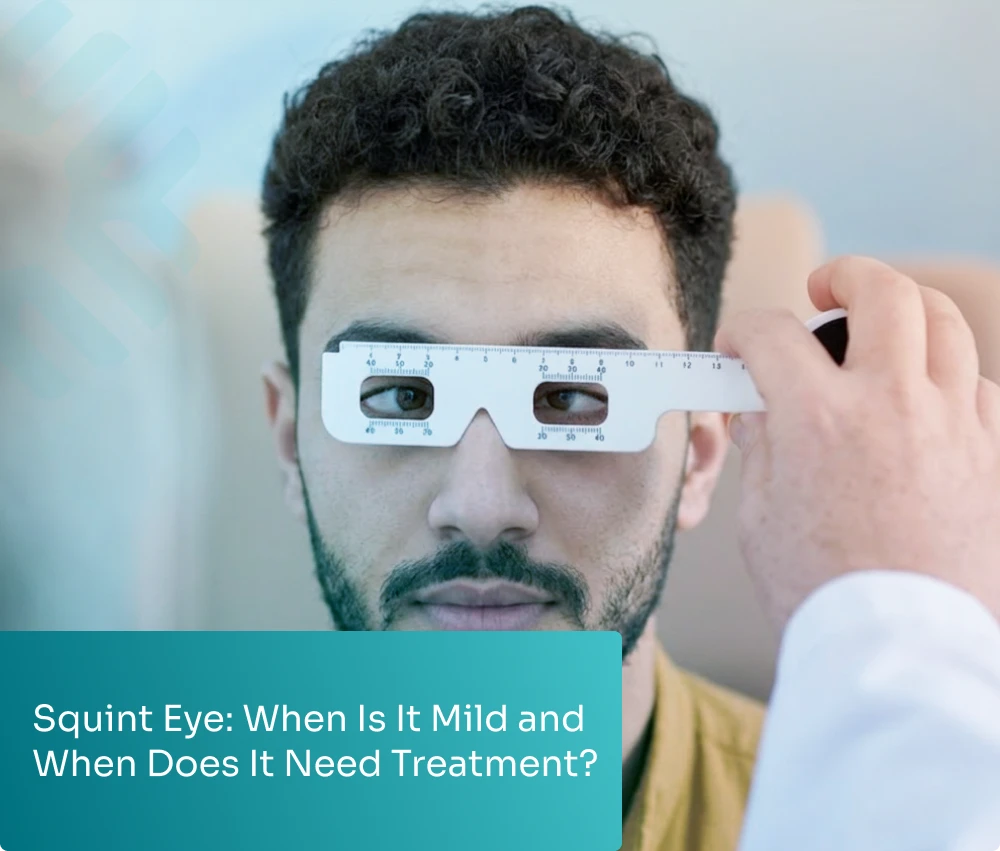
You can read more about squint eye to understand other types of squint and the difference between inward and outward deviation.
The causes of exotropia vary from one person to another. It may be related to how both eyes work together, the strength of vision, or the balance of the external eye muscles. Therefore, judging the condition by eye appearance alone is not enough. Possible causes and factors include:
The Saudi Ministry of Health explains that squint occurs when the eye muscles do not work together in a coordinated way. Therefore, examination helps identify the cause of exotropia and determine the most appropriate way to manage it.
Exotropia may be clear in the mirror or in photos, and it may be intermittent, appearing only in certain situations. Noticing the symptoms helps guide the doctor during a squint examination. Common signs may include:
Magrabi ophthalmologists explain that one symptom alone is not enough to determine the type of squint. The patient needs an examination that measures the degree of divergent squint and how much it affects vision.
Diagnosing exotropia depends on a comprehensive medical examination, not only on observing the direction of the eye. The doctor starts by asking the patient or parents when the deviation appeared, whether it is constant or appears at certain times, and whether it is accompanied by poor vision, headache, or double vision. The examination may include:
The examination result helps the doctor know whether the condition is intermittent or constant, and whether it needs follow-up only or active treatment.
Exotropia treatment depends on age, the degree of deviation, vision strength, the presence of lazy eye, and how well the patient can control the eye. Therefore, the plan differs from one child to another and from one adult to another. Treatment options may include:
The Egyptian Ministry of Health and Population emphasizes the importance of referring to specialized medical authorities when health problems affect daily life. In exotropia, specialist examination determines whether treatment starts with glasses, follow-up, or another intervention.
Exotropia in children may sometimes appear as one eye turning outward when the child is tired, daydreaming, or looking at something far away. Parents may also notice that the child closes one eye in sunlight, tilts the head, or loses visual focus during play and reading.
This does not always mean that the child needs surgery, but it does mean that early evaluation is needed. The doctor checks vision strength, eye movement, and how well the child can control the deviation.
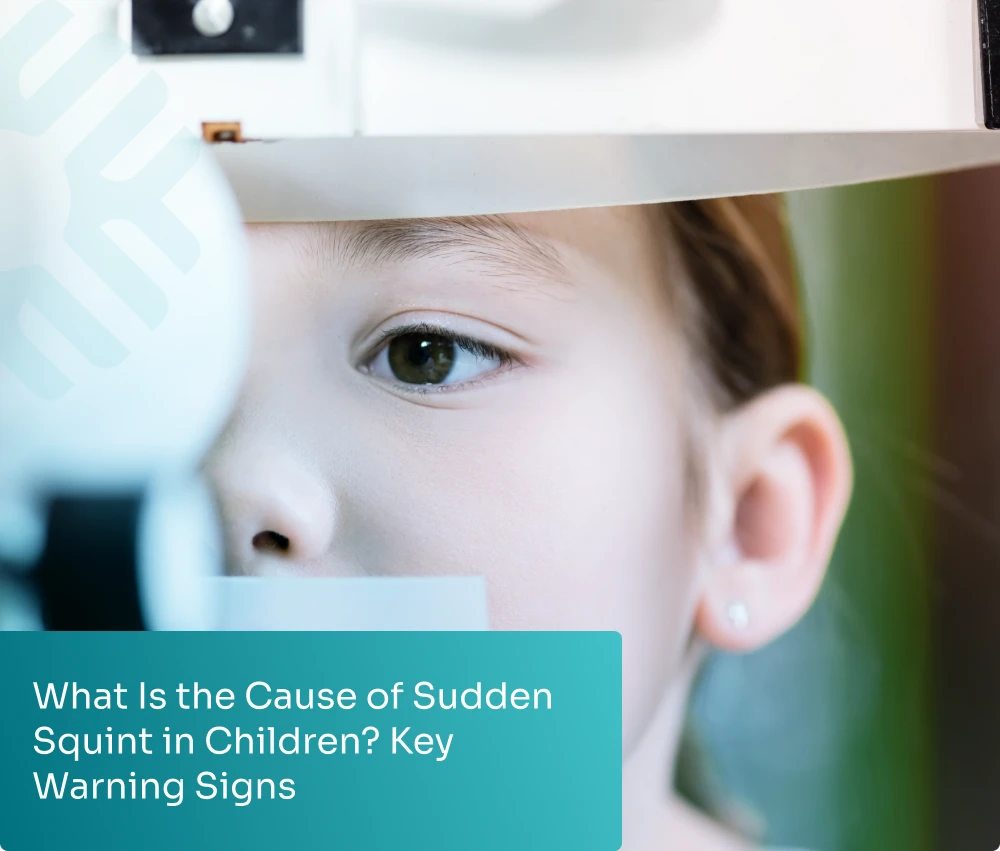
If the deviation appears suddenly, you can read more about the cause of sudden squint in children to understand the signs that require faster examination.
Yes, exotropia in adults may differ from exotropia in children in terms of symptoms and causes. Adults may feel double vision more clearly because the brain was previously used to using both eyes together, then the deviation started to affect image clarity.
Exotropia in adults may appear because of old weakness in eye control, after an injury, or due to a problem affecting the nerves or muscles. Therefore, adults need a careful examination, especially if the deviation appears suddenly or is accompanied by headache, dizziness, or a change in vision.
The Qatar Ministry of Public Health notes the importance of vision screening in the early years of life to support healthy visual development and detect vision problems early. This makes follow-up for children who show signs of exotropia an important step to protect visual development.
Doctors at Magrabi Hospitals recommend seeing an ophthalmologist when exotropia is noticed repeatedly, when the deviation increases over time, or when it begins to affect reading, studying, driving, or daily activities. Faster evaluation is needed in the following cases:
An examination does not always mean the condition is serious, but it helps identify the cause and determine whether the patient needs glasses, follow-up, eye exercises, or another treatment.
If you would like to understand the steps of squint evaluation at Magrabi, you can visit the pediatric squint service page and review the diagnosis and treatment methods the doctor determines for each case.
Exotropia may need surgery when the outward eye deviation becomes clear or recurrent, or when glasses, follow-up, or eye exercises are not enough to improve eye control. The doctor may also discuss surgery if exotropia causes double vision or affects the ability of both eyes to work together.
The decision to perform exotropia surgery does not depend on eye appearance alone. It depends on the result of the squint examination, the measured degree of deviation, eye movement, and vision strength. The goal of the surgery is to adjust the position of some eye muscles to improve alignment, while follow-up after surgery remains an important part of evaluating the result.
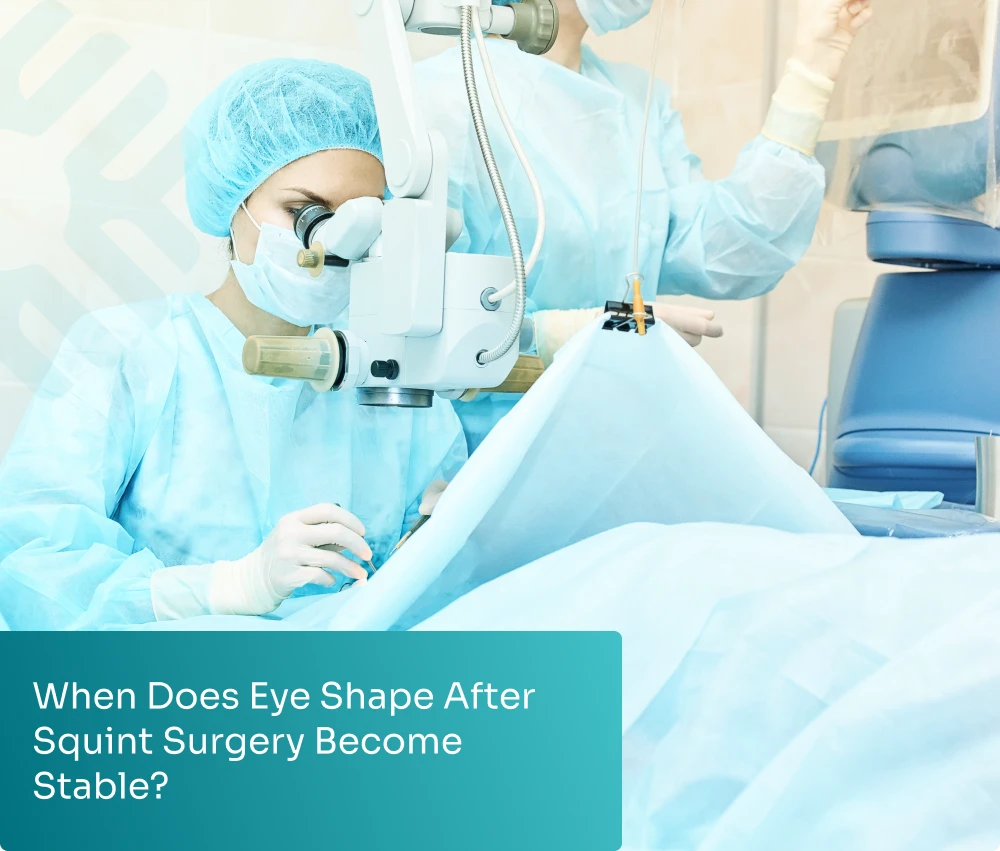
After surgery, the patient or parents may be interested in knowing the eye shape after squint surgery, especially during the first weeks of recovery, because redness or temporary differences in appearance do not always mean that the result is weak.
If outward eye deviation is persistent or affects daily comfort, you can book an appointment at Magrabi Health through the booking form or phone call to discuss the condition with an ophthalmologist.
Exotropia is not just a difference in eye direction. It is a condition that may affect visual clarity and the ability of both eyes to work together. Exotropia may be mild and intermittent, or it may need treatment depending on the degree of deviation and symptoms. Early examination helps identify the cause and determine whether glasses, follow-up, or squint surgery is needed at the right time.
Edited and medically reviewed by Dr. Mostafa Salah Abdelhafez.
Medical Disclaimer: The information in this article is for health education purposes only and does not replace a visit to a doctor or consultation with a qualified specialist. Magrabi doctors recommend seeking medical evaluation for an accurate diagnosis and appropriate treatment plan.
Last updated: June 23, 2026

The Magrabi Health Editorial Team creates educational medical content designed to help readers better understand symptoms, diagnostic tests, treatment options, and preventive healthcare measures across a wide range of medical topics, drawing on trusted sources and specialized clinical expertise. Since 1955, Magrabi Health has built more than 70 years of experience in specialized healthcare through a regional network of over 40 facilities across 5 countries. Its commitment to quality and patient safety is reflected in numerous accreditations and recognitions, including the designation of several eye centers as Centers of Excellence in Ophthalmology by the Surgical Review Corporation (SRC). This content is intended for educational purposes only and should not be considered a substitute for professional medical advice, diagnosis, or treatment.
Exotropia is a type of squint in which the eye turns outward, away from the nose. It may be intermittent or constant, and it may appear in children or adults. Diagnosis requires an examination that determines the degree of deviation and the cause of the problem.
Yes, exotropia may increase in some patients if the deviation becomes more frequent or eye control becomes weaker. It may remain stable in others. Follow-up helps the doctor know whether the condition is improving, stable, or needs treatment.
Not always. Some patients may improve with glasses, follow-up, or vision therapy in selected cases. Exotropia surgery is discussed when the deviation is clear, affects vision or daily life, or when non-surgical methods are not enough.
Yes, glasses may help if exotropia is related to poor vision or a difference in prescription between the two eyes. However, glasses are not suitable for every case, so an examination is needed to determine whether glasses are enough or whether another plan is required.
Yes, exotropia in children may be linked to lazy eye in some cases, especially if the child relies on one eye more than the other. Early examination helps protect visual development and determine the appropriate treatment.
Yes, exotropia in adults may cause double vision because the eyes are not focusing on the same target. New double vision needs medical evaluation to identify the cause and choose the appropriate treatment.