- Saudi Arabia
- Egypt
- Qatar
- United Arab Emirates
May 11, 2026
Share


Last updated: 11/05/2026
Retinal detachment occurs when the retina moves away from its normal position at the back of the eye. Since the retina is responsible for sending visual signals to the brain, its detachment may affect vision clarity or cause loss of part of the vision if it is not examined early. Symptoms may begin with eye flashes or sudden floaters, especially if they are accompanied by shadowed areas or loss in the visual field.
If the symptoms are affecting your day, contact us via WhatsApp to find out whether retinal detachment may match your condition.
Retinal detachment is the separation of the retina from the supporting layers at the back of the eye. When this happens, retinal cells may not receive enough oxygen and nutrients, which may lead to poor vision or loss of part of the visual field if treatment is delayed.
Magrabi Retinal Disease specialists explain that early diagnosis is an essential step, as some cases begin with a simple retinal tear that can be managed before it develops into a wider detachment. Therefore, it is not recommended to wait for symptoms to improve on their own, especially when eye flashes, sudden floaters, or loss of part of the vision appear.
Several causes may lead to retinal detachment, and they may vary from one patient to another. The most common causes include:
Retinal detachment does not always occur because of one single factor. Several factors may overlap and increase the likelihood of developing the condition, especially when there is previous retinal weakness or a history of eye disease. Doctors at Magrabi Hospitals explain that knowing the risk factors helps patients notice symptoms earlier and undergo retinal examination at the right time.
|
Risk Factor |
Why It May Increase the Risk |
|
Severe nearsightedness |
The retina may be thinner or more prone to tearing |
|
Strong eye injury |
It may cause a tear, bleeding, or traction on the retina |
|
Previous eye surgery |
It may change the relationship between the vitreous body and the retina |
|
Diabetic retinopathy |
It may lead to tissues that pull on the retina |
|
Family history |
It may indicate a higher susceptibility in some people |
|
Previous detachment in the other eye |
The healthy eye may need closer follow-up |
Symptoms of retinal detachment may appear quickly and may not be accompanied by pain. The most important symptoms include:
According to doctors at Magrabi Hospitals, retinal detachment may be painless. Therefore, you should not wait for pain to appear before seeing a doctor.
A patient may describe their vision as if there is a curtain or shadow covering part of the image. They may also see many black spots or moving threads, along with flashes of light that appear suddenly, especially in the side vision.
In some partial cases, symptoms may be milder or limited to the edge of the visual field. However, symptoms of partial retinal detachment still require prompt examination, as the detachment may spread if not treated.
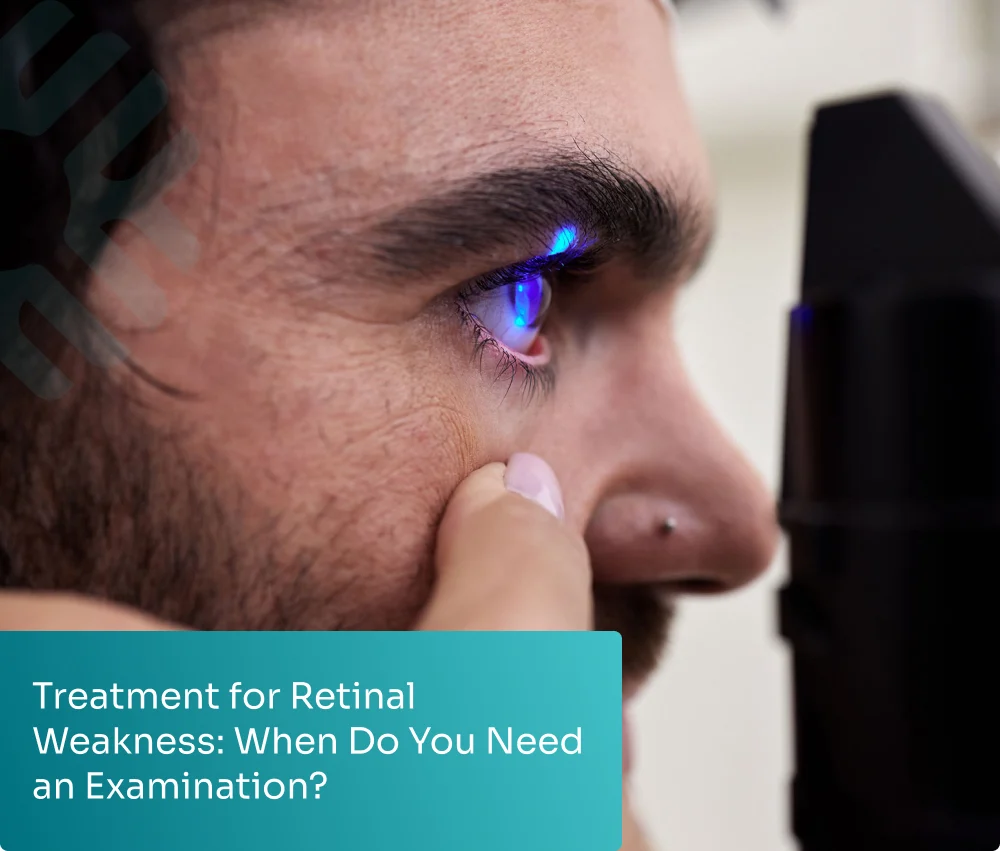
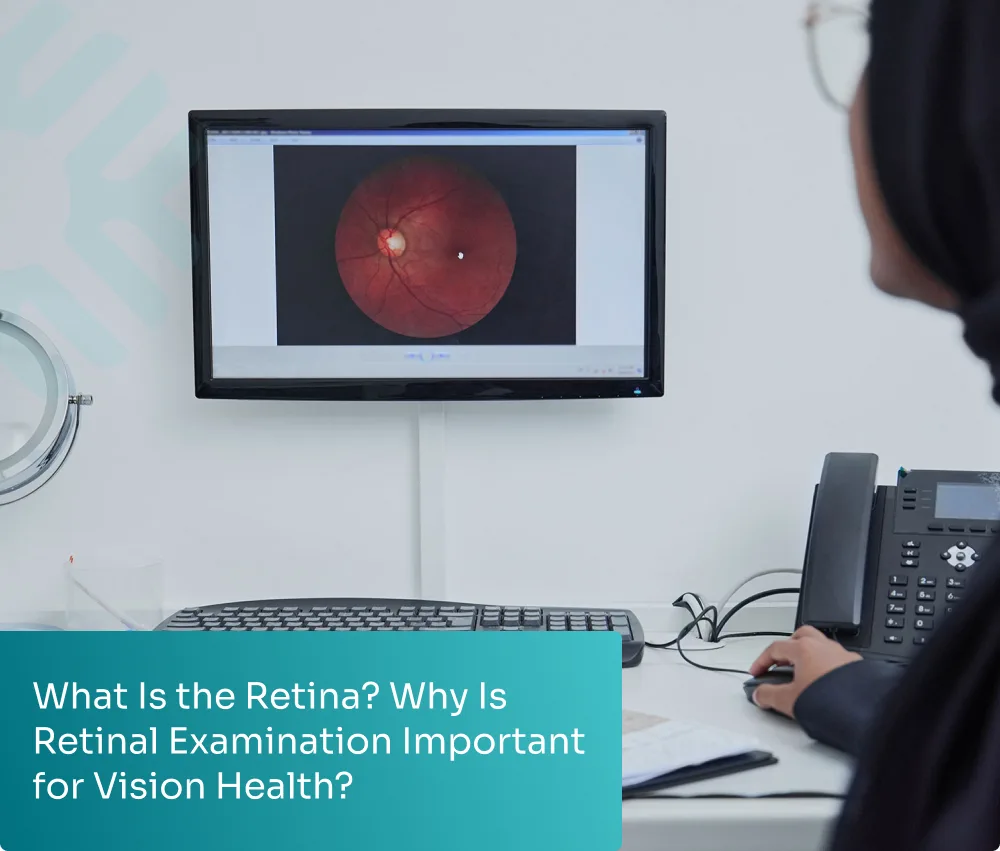
Diagnosis depends on an eye examination performed by an ophthalmologist. Diagnostic steps often include:
Before making your decision, you can visit the retinal services page to learn how Magrabi provides medical care in this field.
Retinal detachment treatment varies depending on the severity of the condition, the location of the detachment, the presence of a tear, and whether the central vision area is affected. There is no single treatment suitable for all patients, so the retina specialist determines the plan after examination.
Treatment options include:
The National Eye Institute indicates that retinal detachment treatment is usually more effective when the condition is detected early. Some patients may need an additional procedure if detachment occurs again.
After retinal detachment surgery, the patient may feel mild to moderate discomfort or pain for several days or weeks. The doctor may prescribe drops or medications depending on the case. The Saudi Ministry of Health emphasizes the importance of rest and following the doctor’s instructions after surgery.
Vision may take weeks or months to improve. It may not return completely in all cases, especially if the detachment affected the central vision area or remained untreated for some time before treatment.
Eye pain after retinal detachment surgery may occur in a mild or moderate form, especially during the first few days. However, severe pain, increasing redness, discharge, fever, or sudden worsening of vision are signs that require contacting the doctor or visiting the emergency department.
Magrabi doctors advise patients not to use any drops or medications after surgery except as prescribed by the doctor, because the plan differs according to the type of surgery and the condition of the eye.
The success rate of retinal detachment surgery varies depending on the size of the detachment, how long it has been present, its location, the condition of the central vision area, the presence of diabetic retinopathy or diabetes, and how quickly treatment begins.
The National Eye Institute indicates that treatment is eventually successful in about 9 out of 10 people, with the possibility that some cases may require additional treatment or surgery.
This percentage does not mean that results are guaranteed for every patient. Also, successful retinal reattachment does not always mean vision will return to its previous level. Therefore, medical evaluation and follow-up after surgery remain essential parts of treatment.
Not all cases of retinal detachment can be prevented, because some are related to aging or changes in the vitreous body. However, the risk can be reduced through practical steps:
Magrabi doctors indicate that prevention here means reducing risk and detecting problems early, not guaranteeing that the condition will never occur.
Doctors at Magrabi Hospitals recommend seeing a doctor when sudden flashes, increased floaters, a shadow in the vision, or loss of part of the vision appear, especially if symptoms persist, worsen, or affect daily life. Urgent medical care should be requested when sudden flashes, a major increase in floaters, a shadow in the vision, or sudden worsening of sight occurs.
The Saudi Ministry of Health confirms that retinal detachment is an emergency condition, and that early treatment may help protect vision and reduce the risk of permanent retinal damage.
Therefore, we recommend visiting the ophthalmology department at Magrabi Hospitals for a comprehensive examination and to discuss the best follow-up steps with the specialist doctor.
Symptoms of retinal detachment include sudden flashes of light, floaters or black spots in the visual field, a curtain-like shadow, sudden poor vision, or loss of part of the vision. These symptoms may occur without pain, so seeing an eye doctor promptly is recommended.
Yes, retinal detachment is an emergency that requires urgent examination by an eye doctor. Early treatment may help protect vision and reduce the risk of retinal damage, especially when flashes, many floaters, a shadow in vision, or sudden vision deterioration appear.
Retinal detachment treatment depends on the severity and location of the detachment. Treatment may include retinal laser, cryotherapy, pneumatic retinopexy, vitrectomy, or retinal surgery. The doctor determines the most suitable option after examining the retina and assessing the eye condition.
Surgery may be needed when there is a clear retinal detachment, an advanced retinal tear, or an effect on the visual field. The retina specialist decides based on the size, location, and effect on central vision. Delaying medical evaluation is not recommended when symptoms appear.
An eye stroke after retinal detachment surgery is uncommon, but any sudden vision loss, severe pain, increasing redness, or unusual change after surgery requires prompt medical evaluation. Follow-up after surgery is important to detect any complications early.
Yes, retinal detachment can be treated in many cases, especially with early diagnosis and timely intervention. Results vary depending on the duration, size, and location of the detachment, and whether central vision is affected. Early examination helps choose the most suitable treatment and reduce the risk of vision deterioration.
To book an appointment at the ophthalmology department, you can call us directly or fill out the booking form. Magrabi’s team will help you choose a suitable appointment.
Retinal detachment is a condition that needs prompt attention, especially when eye flashes, eye floaters, a sudden shadow, or loss of part of the vision appear. Early retinal examination helps identify the cause and choose the right treatment before the problem progresses. Not all eye floaters mean retinal detachment, but ignoring symptoms may harm vision. Therefore, consulting an ophthalmologist remains the safest and most reassuring step.
Medically reviewed by Dr. Hazem El Hamzawy.
Medical Disclaimer: The information in this article is for health education purposes only and does not replace a visit to a doctor or consultation with a qualified specialist. Magrabi doctors recommend seeking medical evaluation for an accurate diagnosis and appropriate treatment plan.