- Saudi Arabia
- Egypt
- Qatar
- United Arab Emirates
May 11, 2026
Share


Last Updated: 11/05/2026
Treatment for retinal weakness varies from one patient to another according to the cause, the degree of vision affection, and the results of the retinal examination. The retina is a sensitive layer, and any damage or weakness in it may lead to blurred vision, the appearance of floaters, or difficulty seeing details.
Retinal weakness does not always mean loss of vision, but ignoring symptoms may allow the problem to develop. Therefore, early diagnosis helps choose the appropriate plan, whether it is medical follow-up, retinal injections, retinal laser, or surgical intervention in some cases.
Medical references confirm that treatment of retinal diseases often aims to slow the progression of the disease, protect vision, or improve it when possible.
Knowing the cause is the first correct step. Contact Magrabi’s team via WhatsApp if you need initial guidance about treatment for retinal weakness.
Retinal weakness is not one disease, but rather a general description of a group of problems that may affect retinal function. Among the most important causes are:
Symptoms of retinal weakness may not appear in the early stages, especially in diabetic retinopathy. With the progression of the condition, clear signs may appear that need medical evaluation.
Among the most prominent symptoms of retinal weakness:
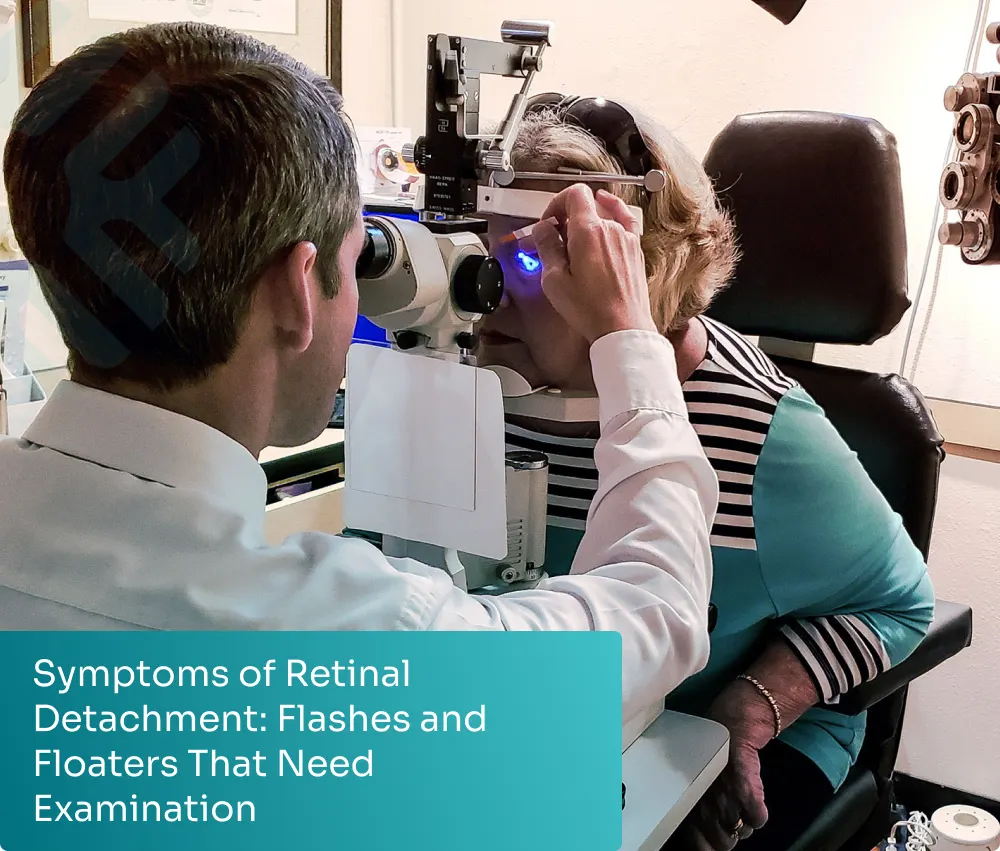
Magrabi doctors indicate that the appearance of new flashes or floaters or a shadow in the field of vision needs a quick examination, because these symptoms may be associated with a tear or detachment in the retina. The American Academy of Ophthalmology mentions that retinal detachment may cause flashes, new floaters, or a side shadow in vision.
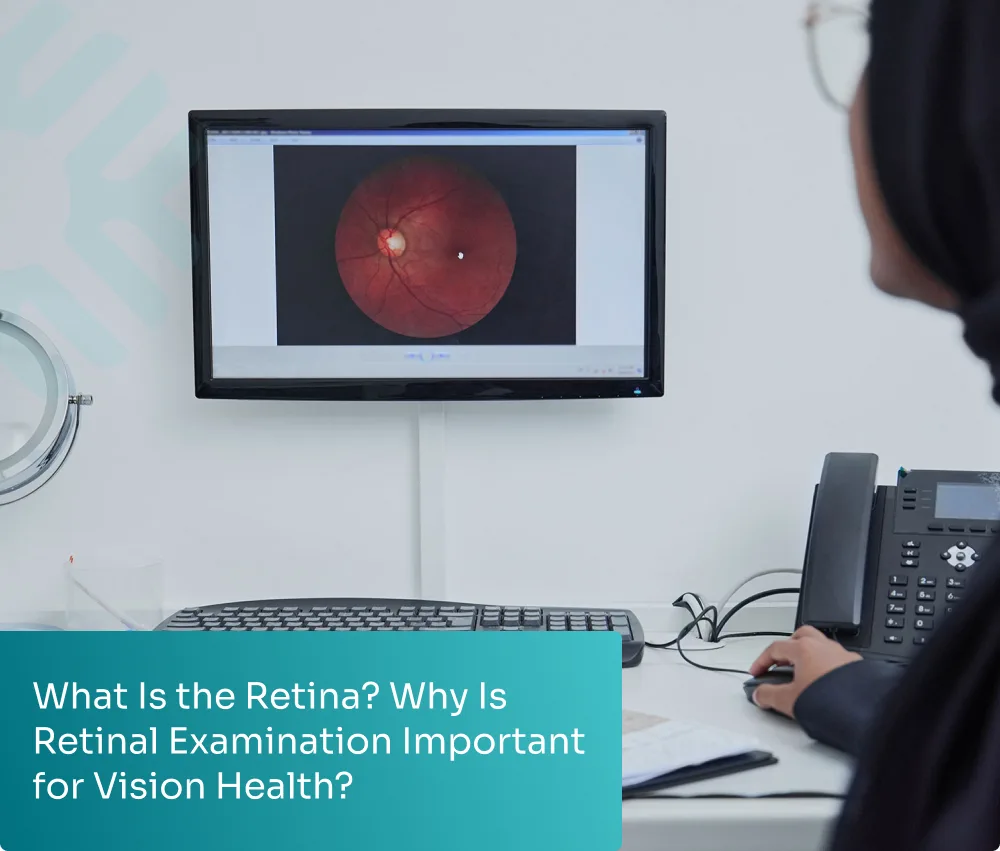
Diagnosis of retinal weakness depends on eye examination and determining the location and degree of the problem. The ophthalmologist performs a comprehensive examination of the eye, then may use several tests to determine the location and extent of the disease.
Diagnosis steps usually include:
The retinal examination aims to determine the real cause of the symptoms, because treatment for retinal weakness does not start correctly except after a clear diagnosis.
When talking about retinal weakness and its treatment, the cause must first be determined, because treatment differs between cases of diabetes, tears, detachment, or vascular diseases in the retina.
Doctors at Magrabi Hospitals explain that the goal of treatment may be stabilizing the condition, reducing fluid leakage, treating bleeding, repairing the tear, or preventing deterioration of vision. In some cases, vision can improve after treatment, and in other cases the main goal is to preserve what remains of vision.
Treatment options for retinal problems include laser, freezing, air or gas injection, scleral buckle, vitrectomy, and drug injections inside the eye, according to the diagnosis.
There is no one method that suits all cases of retinal weakness and its treatment, because the plan differs according to the cause, the degree of retinal damage, and its effect on vision.
Here are the most prominent medical methods used in treating the retina:
|
Treatment Method |
When It May Be Used |
Purpose |
|
Regular follow-up |
Early or stable cases |
Monitoring changes and preventing deterioration |
|
Controlling blood sugar, blood pressure, and cholesterol |
Diabetic retinopathy or vascular diseases |
Reducing the risk of retinal deterioration |
|
Retinal injections |
Wet macular degeneration, diabetic retinopathy, retinal vein occlusion |
Reducing leakage, swelling, or abnormal blood vessel growth |
|
Retinal laser |
Retinal tears or some cases of retinopathy |
Stabilizing the retina or reducing leakage |
|
Retinal freezing |
Some retinal tears |
Creating a scar that helps stabilize the retina |
|
Air or gas injection |
Some cases of retinal detachment |
Returning the retina to its position in specific cases |
|
Vitrectomy |
Severe bleeding, scarring, retinal detachment, macular hole |
Removing the vitreous body and repairing the internal problem |
|
Scleral buckling |
Some cases of retinal detachment |
Supporting the eye wall and helping the retina attach |
Below is more information about the treatment of each case:
In some early cases, the patient does not need an immediate procedure, but rather regular follow-up with control of the causing factors. This is common in the early stages of diabetic retinopathy, as the doctor may recommend following up the retina and monitoring sugar, pressure, and cholesterol.
The National Eye Institute mentions that controlling diabetes, physical activity, commitment to the treatment plan, and controlling pressure and cholesterol may help reduce the risk of vision loss associated with diabetic retinopathy.
Retinal injections may be used to deliver medications inside the vitreous body in the eye. Anti-vascular endothelial growth factor injections, Anti-VEGF, are used in cases such as wet macular degeneration, diabetic retinopathy, and retinal vein occlusion.
The American Society of Retina Specialists explains that injections inside the vitreous body are used to treat several retinal diseases, and that Anti-VEGF and steroids may help reduce fluid leakage associated with some cases.
Retinal laser may be used to treat retinal tears or some cases of diabetic retinopathy. In tears, a laser helps create small scars around the tear to stabilize the retina and reduce the possibility of detachment.
Doctors in the ophthalmology department at Magrabi Hospitals explain that a laser can repair a retinal tear or hole, and immediate treatment of a new tear may reduce the chance of its development into retinal detachment. It may also be used to reduce abnormal blood vessels in some diabetic retinopathy patients.
Freezing or Cryopexy is a procedure that uses extreme cold to treat some retinal tears. The procedure aims to create an area of scarring that helps stabilize the retina in the eye wall.
This option does not suit all cases, and the retina doctor determines it after examination and knowing the location of the tear and its degree of seriousness.
Air or gas injection may be used in some cases of retinal detachment, in what is known as pneumatic retinopexy. The bubble works to push the retina toward its place, and laser or freezing may be used with it to close the tear.
The National Eye Institute mentions that the type of surgery depends on the location and extent of detachment, and that some patients may need more than one treatment method at the same time.
Vitrectomy is a surgery in which the gel-like material inside the eye is removed to allow the doctor to reach the retina and repair the problem. This procedure may be used in cases of bleeding, scars, retinal tear, advanced diabetic retinopathy, macular hole, or retinal detachment.
Vitrectomy may help treat conditions that may lead to vision loss, but like any surgery, it carries possible risks, such as infection, bleeding, or the need for another surgery.
To learn more about treatment options for retinal weakness at Magrabi Hospitals, you can visit the retinal services page and view the available diagnostic and treatment methods.
Not all causes of retinal weakness can be prevented, but the risk can be reduced or the problem can be detected early by following practical steps.
Tips to maintain retinal health:
For diabetic patients, the National Eye Institute confirms the importance of a regular dilated eye examination, because diabetic retinopathy may not cause symptoms at first.
Food is not a substitute for treatment of retinal damage, but it supports eye health within a healthy lifestyle. Foods rich in antioxidants, omega-3 acids, and zinc may be useful within a balanced diet, especially when risk factors are present.
Among the foods useful for eye health in general:
In specific cases of intermediate macular degeneration, the doctor may recommend special supplements, but they should not be used without consulting the doctor, because they do not suit all patients.
Magrabi doctors explain that some supplements may help slow the transition of intermediate macular degeneration to advanced stages in specific groups.
Magrabi Hospitals doctors recommend visiting the doctor if symptoms persist, increase in severity, or affect daily life, especially when there is diabetes, high blood pressure, severe myopia, or a previous history of retinal problems.
Medical evaluation should be requested quickly in the following cases:
Symptoms of retinal weakness include blurred vision, poor eyesight, floaters or flashes of light, difficulty seeing details, or a shadow in the field of vision. Clear symptoms may not appear in the early stages, so examination is recommended when any sudden change in vision occurs.
Yes, there is treatment for retinal weakness, but the type of treatment depends on the cause and the condition of the retina. Treatment may include medical follow-up, retinal injections, laser, or surgical intervention in some cases. The ophthalmologist determines the appropriate plan after retinal examination.
Retinal weakness may be dangerous if left without diagnosis or treatment, especially if it is associated with a retinal tear, retinal detachment, or diabetic retinopathy. Early examination helps reduce the risk of vision deterioration and choose the appropriate treatment.
You should visit the doctor when blurred vision, floaters or flashes, seeing a shadow or curtain in the field of vision, or sudden weak vision occurs. Diabetic patients or those with severe myopia are also advised to have a periodic retinal examination.
To get an accurate medical evaluation about treatment for retinal weakness, book your appointment with Magrabi’s specialized doctors by phone call or booking form.
Treatment for retinal weakness depends on accurate diagnosis and knowing the cause, and not on one method that suits everyone. The plan may include follow-up, controlling chronic diseases, retinal injections, retinal laser, or surgery in specific cases. The most important thing is not to ignore blurred vision, floaters, or sudden flashes.
Medically reviewed by Dr. Waleed Al-Turki.
Medical Disclaimer: The information contained in this article is intended for health education purposes only, and is not a substitute for visiting a doctor or consulting a specialist doctor.