
Single-tooth implant
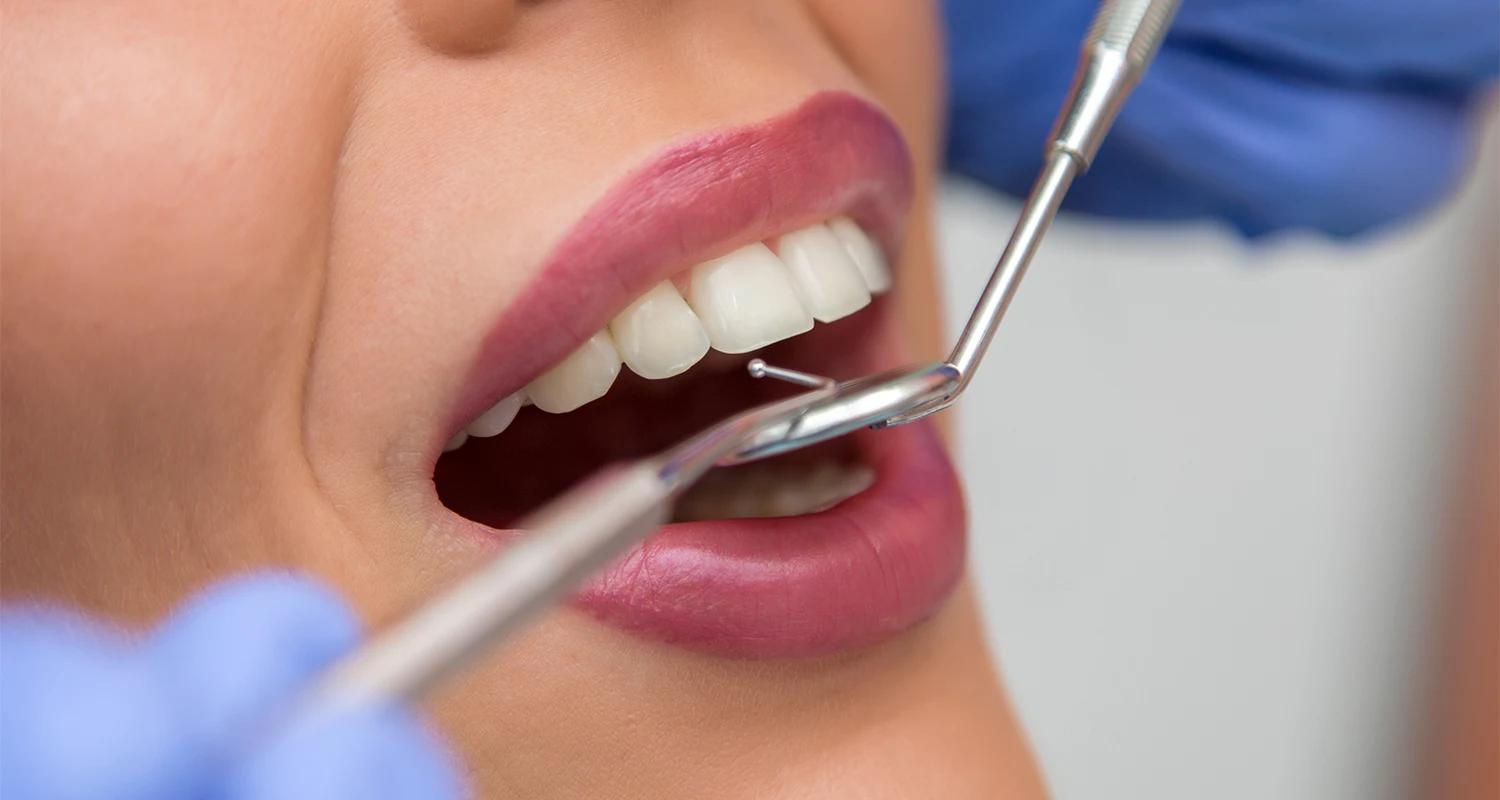
One implant and a crown replace one missing tooth, often without preparing the healthy teeth next to it. The crown is matched to the gap, nearby teeth and tooth color.

DENTAL CARE | DENTAL IMPLANTS
Magrabi Health offers dental implants to replace one tooth, several teeth or a full arch, through its implantology, oral surgery, periodontics and prosthodontics units. For more than 70 years, Magrabi Health has built its care on accurate diagnosis and individual treatment plans.
A dental implant replaces a missing tooth root with an implant placed in the jawbone, which then supports a crown, bridge or denture. At Magrabi Health, the decision starts with an examination of the teeth, gums and jawbone with imaging, so your dentist can confirm whether implants suit you, how many you need and whether bone grafting is needed first.
Magrabi Health can book your dental implant assessment at the nearest branch in one WhatsApp conversation.
The right option depends on your gums, jawbone and bite, so the journey starts with an assessment, not with choosing an implant.
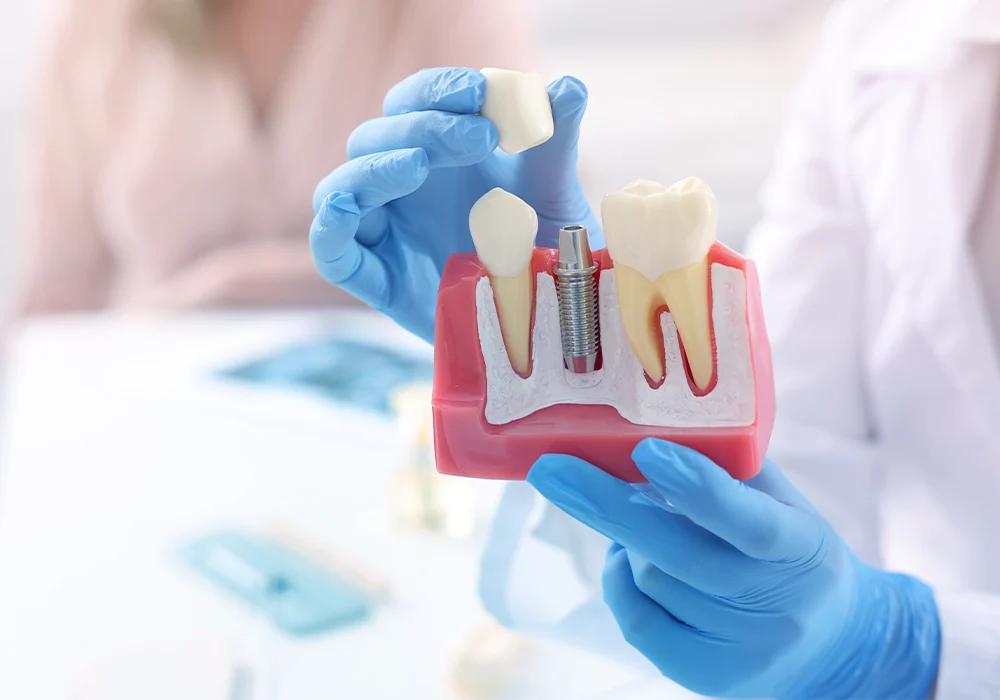
Go to the implant options to see how a single implant and crown work.
Implants may stabilize some dentures. See the implant options section.
Bone grafting may prepare the jaw first. Go to the suitability criteria.
Go to the dental implant doctors and see the branch where each one works.
UNDERSTANDING THE PROCEDURE
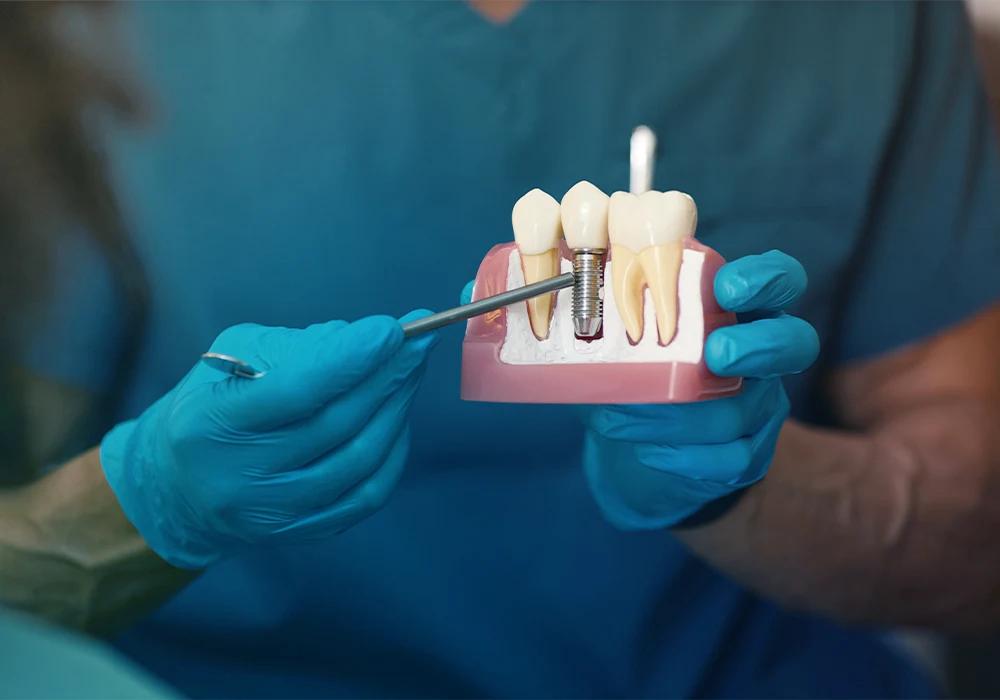
Dental implants are a way to replace missing teeth. An implant is placed in the jawbone to act as an artificial tooth root, then an abutment connects it to the crown, bridge or denture that you see in the mouth.
The same plan is not used for every patient. The number of implants, the type of restoration and the timing vary with the position of the missing teeth, gum health, the amount of bone available and the way your teeth meet.
Magrabi Health offers five dental implant options, and your dentist recommends one after examining your mouth, imaging the jawbone and checking how your teeth meet.
Suitability for dental implants is confirmed only after an examination and imaging. These points show who is usually suitable and when treatment may be delayed.
Medical note Missing teeth do not automatically mean implants are the right option. The gums or remaining teeth may need treatment first, and some patients need bone grafting or a sinus lift before the implant is placed.
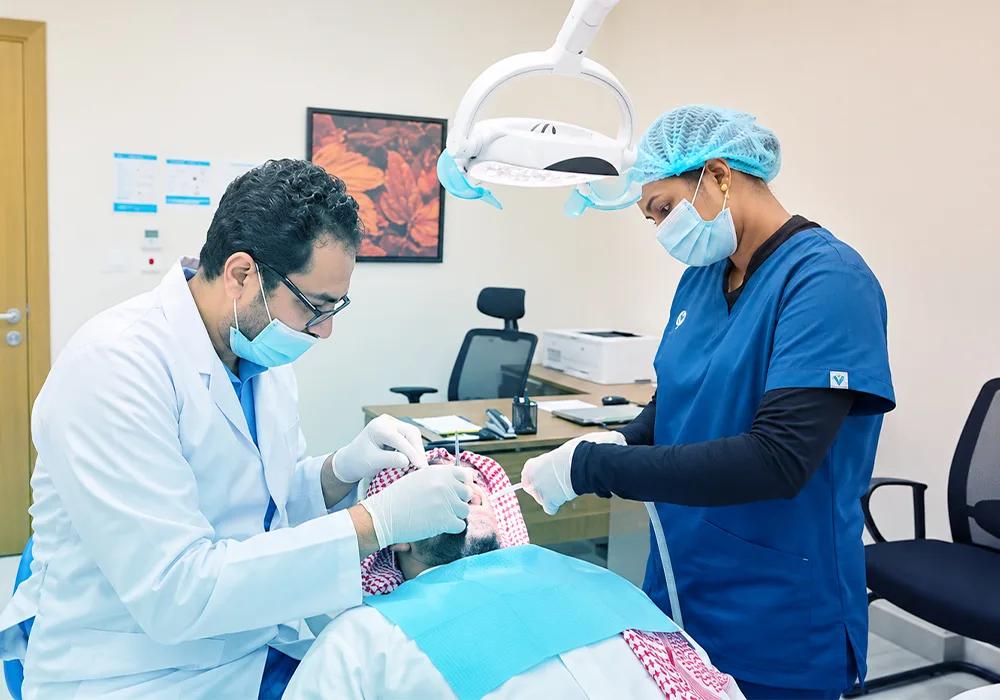
The dental implant assessment at Magrabi Health checks whether an implant can be placed safely, which option suits your mouth and what preparation is needed. It covers five steps.
Your dentist checks the gums and remaining teeth for decay or inflammation to treat first.
Bone height, width and density show whether the jaw can hold an implant or needs grafting.
Imaging maps the bone, roots, nerves and sinuses to plan the implant position and angle.
Chronic conditions, medications, allergies and smoking are reviewed, as they affect healing.
Your dentist explains the number of implants, restoration type, preparation and stages.
The implant is usually placed in one visit under local anesthesia, while the full plan often takes several months, and longer if bone grafting or extra healing time is needed.
The implant is placed in the jawbone under local anesthesia, then the gum is closed or a healing cap is fitted. Mild swelling and tenderness can be normal afterwards.
The bone heals around the implant over weeks to several months, depending on the implant site, bone condition, general health and any preparation done before placement.
Once the implant is stable, the crown, bridge or denture is designed, fitted and the bite adjusted. Regular check-ups then protect the gums and the restoration around it.
When should you call quickly? A loose implant, pain that worsens instead of easing, swelling that keeps returning, or discharge around the implant needs prompt review by your dentist.
In suitable cases, dental implants replace missing teeth with a fixed base, improve chewing and the clarity of some sounds, and support the smile. Results depend on bone, gums, planning and oral hygiene.
Short-term swelling and tenderness, inflammation around the implant if gum care is neglected, and a higher chance of failure with heavy smoking or grinding. No fixed implant lifespan can be guaranteed.
Dental implant doctors at Magrabi Health assess suitability, place implants, prepare the bone and fit implant-supported restorations, according to the services of each branch.

Cosmetic & Implants Consultant

Consultant Of Oral Surgery And Dental Implants

Consultant Periodontics

Consultant Periodontics

Oral And Maxillofacial Consultant

Oral And Maxillofacial Surgery Consultant

Consultant Prosthodontics
Send your case, and Magrabi Health will guide you to the right dentist and branch.
Each of the following Magrabi Health pages explains a service linked to dental implants in more detail.
Choosing where to have dental implants depends on accurate planning, the right specialists and follow-up after the restoration is fitted.
If you have lost one or more teeth, start with an assessment of your teeth, gums and jawbone. Book your assessment on WhatsApp at the nearest branch.
Magrabi Health articles that answer the most common questions before you decide.
 Immediate Dental Implants: When Are They Needed?
3 Minutes to read
This article explains how Immediate Dental Implants are placed after extraction, how they differ from conventional implants, and who may be suitable for them. It also covers treatment stages, bone grafting, implant care, and available alternatives.