Services

Eye Care / LASIK Eye Surgery

LASIK Eye Surgery: From the LASIK Eye Test to Surgery Day and Recovery

Magrabi Health offers LASIK eye surgery, a laser procedure that corrects nearsightedness, farsightedness and astigmatism by reshaping the cornea under a thin flap, to reduce your daily dependence on glasses or contact lenses. It is one of several vision correction techniques.

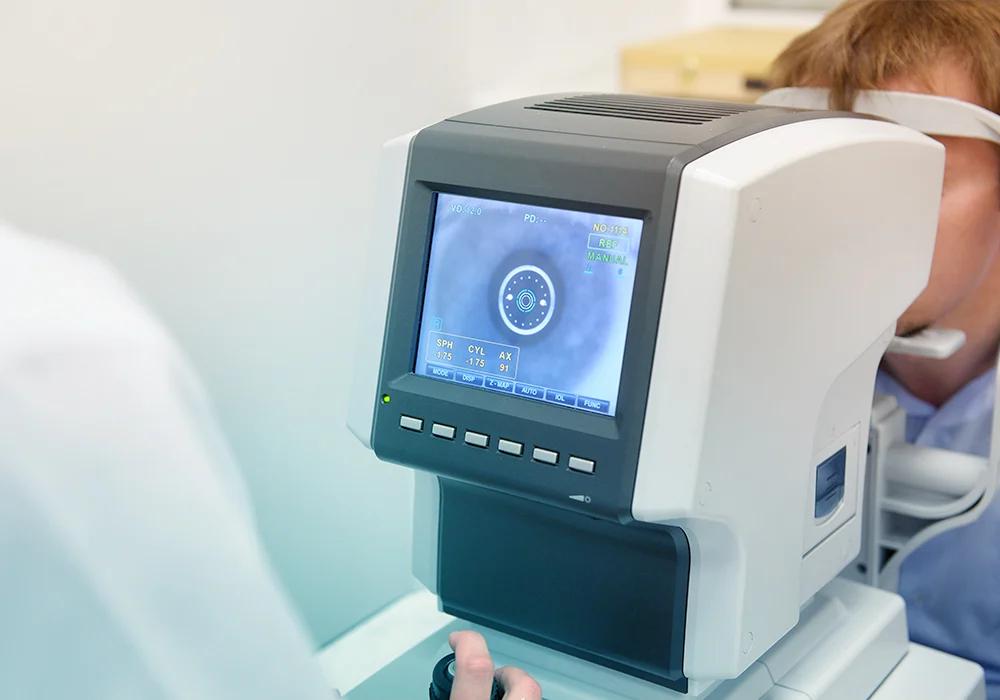
Care starts with a LASIK eye test, not a surgery booking, to assess your prescription, corneal thickness and shape, and the health of your eye’s surface.

LASIK is available at Magrabi Health eye branches, as part of a vision correction service that has cared for more than 4.5 million patients.

Does LASIK Suit Your Eyes?

Message us on WhatsApp, and the Magrabi Health team will direct you to the right doctor and branch in your city, with the nearest available appointment for a LASIK eye test to find out whether LASIK suits your eyes.


Does LASIK Suit Your Eyes?
What Is LASIK Eye Surgery?

Understanding LASIK

What Is LASIK Eye Surgery?

LASIK stands for Laser-Assisted In Situ Keratomileusis. The surgeon creates a thin flap on the surface of the cornea and reshapes the layer beneath it with an excimer laser, so that light focuses correctly on the retina. The flap is then placed back, where it heals without stitches.

In standard LASIK, the flap is created with a precise surgical blade (microkeratome); in Femto-LASIK it is created with a femtosecond laser. The correction itself is the same, and your doctor explains which one suits your cornea.

LASIK Requirements and When It May Not Suit You

The LASIK decision depends on more than weak vision: corneal thickness and shape, a stable prescription and a healthy eye surface all matter. Your doctor confirms suitability after the LASIK eye test.

You may be a good candidate if:

  • You are 18 or older.
  • Your prescription hasn’t changed significantly for at least 12 months.
  • Your cornea is thick enough for a flap.
  • Your cornea has a regular shape with no signs of keratoconus.
  • Your eye surface is healthy, with no severe dryness or inflammation.
  • Chronic conditions, such as diabetes, are stable.

LASIK may not suit you if:

  • Your cornea is thin; PRK may suit you better.
  • Your prescription is very high; lens implantation may suit you better.
  • You have mild dry eyes; Femto SMILE may suit you better.
  • You have keratoconus or signs of it on the corneal scan.
  • Your prescription is still changing.
  • You are pregnant or breastfeeding at the time of surgery.

Medical note: LASIK is a planned, elective procedure. A sudden drop in vision, eye pain or increasing redness is not a reason to book LASIK; it needs a prompt eye assessment.

How Is LASIK Surgery Performed?

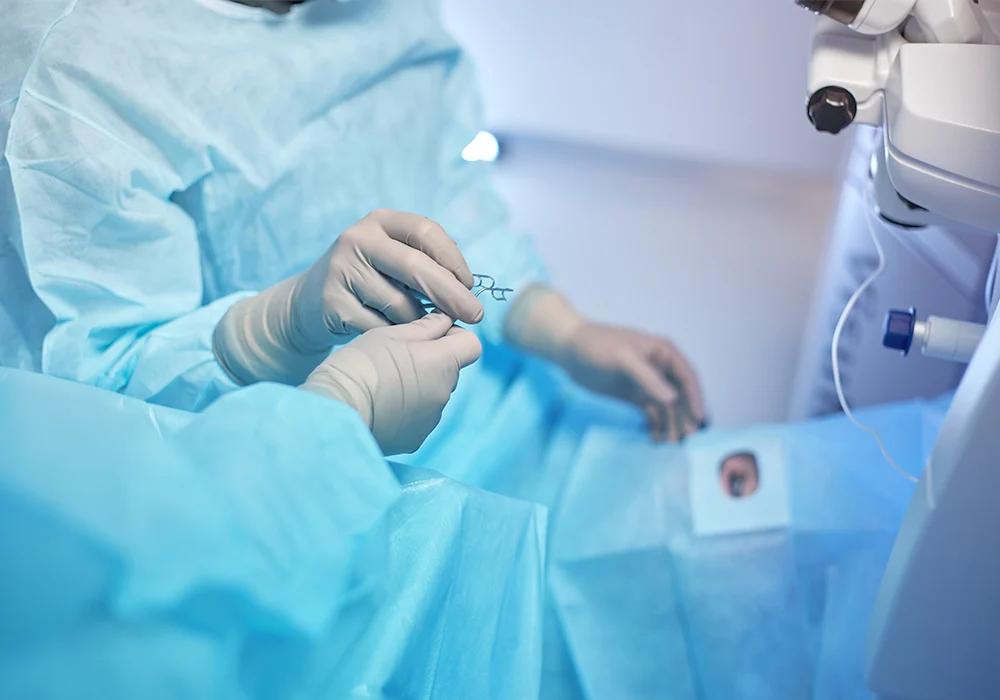
LASIK usually takes 15–30 minutes for both eyes, and the laser itself works for only seconds per eye. Both eyes are usually treated in the same session, and you go home the same day.

  1. 1

    Numbing the Eye

    Anesthetic drops are used and a small holder keeps the eyelids open. You stay awake and may feel light pressure for a few seconds, usually without pain.

  2. 2

    Creating the Flap

    A thin flap is created on the corneal surface with a microkeratome, or with a femtosecond laser in Femto-LASIK, then gently lifted aside.

  3. 3

    Reshaping the Cornea

    The excimer laser reshapes the corneal layer under the flap according to your measurements, while you look at a fixation light for a few seconds.

  4. 4

    Replacing the Flap and Check

    The flap is placed back to heal without stitches. After a short rest, you go home with eye drops, an eye shield and your follow-up appointment.

LASIK Explained in Minutes

LASIK or Another Technique?

When Is LASIK Usually the First Option?

LASIK is often considered when the cornea is thick and regular enough, the prescription is stable and within the range LASIK can treat, and the eye surface is healthy. Recovery is usually quick, with most patients back to daily activities within 1–3 days.

If any of these conditions isn’t met, your doctor recommends the technique your eyes can safely support. That decision is based on your test results, not on the technique you heard about first.

Ready for Your LASIK Eye Test?

Magrabi Health can direct you to the right doctor and branch for a LASIK eye test.

What Are Your Options If LASIK Doesn’t Suit Your Eyes?

Not being suitable for LASIK is common, and it rarely means vision correction is ruled out. These are the options your doctor may discuss with you.

Femto-LASIK

The same correction as LASIK, but the flap is created with a femtosecond laser instead of a blade, for more precise control over its thickness and diameter.

Femto SMILE

Corrects nearsightedness and astigmatism through a small incision with no flap, so it may suit people with mild dry eye or those who play contact sports.

PRK Surface Laser

The cornea’s thin surface layer is removed, then the cornea is reshaped by laser with no flap. Often preferred for thin corneas; recovery takes 5–7 days.

ICL Lens Implantation

A corrective lens is implanted inside the eye without removing corneal tissue, a common option for high prescriptions or corneas that aren’t suitable for laser.

Note: Your doctor chooses the most suitable technique for your eyes based on your LASIK eye test results.

What Can You Expect From LASIK?

Potential Benefits

  • Less or no dependence on glasses and contact lenses.
  • Clear vision improvement, usually within 24 hours.
  • Mild discomfort and a quick return to daily life.
  • 6/6 vision or close to it for many suitable patients.

Limits and Possible Side Effects

  • Temporary dry eye, treated with lubricating drops.
  • Night halos or glare that ease as the cornea settles.
  • Under- or over-correction that may need an enhancement.
  • Flap complications or infection, which are rare.

Note: LASIK doesn’t prevent the need for reading glasses with age, and doesn’t improve vision beyond what glasses achieve in a lazy eye.

Recovery After LASIK

First 24 Hours

Blurred vision, mild burning and watering are normal for a few hours. Rest with your eyes closed, wear the eye shield and don’t drive until your follow-up appointment the next day.

First Week

Most patients return to work and daily activities within 1–3 days. Use your drops on schedule, don’t rub your eyes, and avoid water, dust and swimming until your doctor allows.

1–3 Months

Vision stabilizes gradually, and dryness and night halos ease. Keep your follow-up visits even if you see well, so your doctor can confirm the result and any need for an enhancement.

Medical alert: See your doctor promptly if pain becomes severe or keeps increasing, vision suddenly drops, redness increases, or your eye is knocked or rubbed hard.

LASIK Doctors at Magrabi Health

These ophthalmologists perform the LASIK eye test and surgery at Magrabi Health branches in your country.

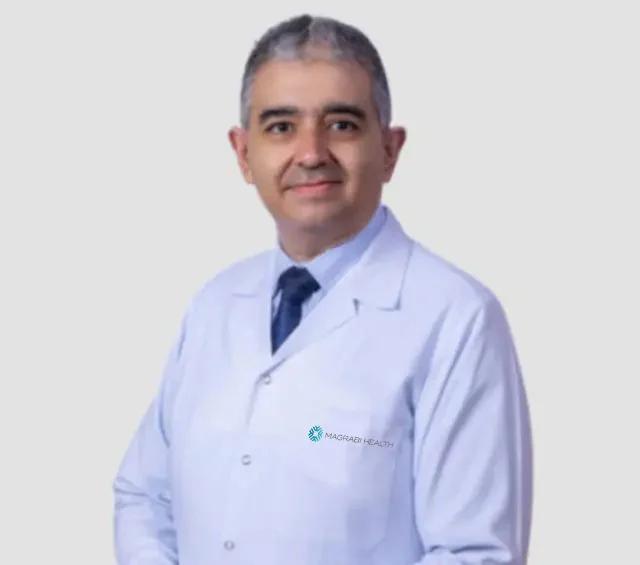
Dr. Ahmed Elantably

Dr. Ahmed Elantably

Consultant Ophthalmologist - Cornea & Refractive Surgery

  • Magrabi Health Eye, Dental and ENT - Doha
View Doctor Profile

Need Help Choosing a Doctor?

Share your city, your current prescription if you have it, and whether you’ve been told your cornea is thin or your eyes are dry, and you’ll be directed to the right doctor and branch.

Chat on WhatsApp

Where Is LASIK Available?

LASIK eye tests and LASIK surgery are available at Magrabi Health eye branches. Choose your city to find the nearest branch.

Patient Experiences With LASIK at Magrabi Health

I came to Magrabi Health to see if LASIK suited me. The exam was clear, and the doctor explained why my cornea and prescription had to be assessed first.

Mohammed Alsubaie

6 months ago

I depended on glasses all the time. After the assessment, the doctor clearly explained my condition, my vision correction options and the LASIK eye test steps.

Reem Alghamdi

8 months ago

I wasn’t sure whether LASIK or another technique suited me. The exam was comfortable, and the doctor clearly explained my measurements, cornea and dry eye.

Hind Almutairi

2 years ago

Well-organized appointments and smooth vision correction tests. The doctor explained the LASIK requirements and what to know before and after, which reassured me.

Salman Aldosari

3 years ago

Experienced eye doctors. The doctor explained simply whether LASIK suited me, how the LASIK eye test differs from surgery, and the follow-up I would need.

Turki Alanzi

5 years ago

Pages That Can Help Based on Your Situation

If LASIK doesn’t suit you, or you’re comparing it with other vision correction techniques, these pages may help:

Vision Correction

Compare LASIK with Femto-LASIK, Femto SMILE, PRK and lens implantation before you decide.

Vision Correction

Femto-LASIK

Suitable if LASIK fits your eyes and you prefer the flap created by laser instead of a blade.

Femto LASIK

PRK Surface Laser

Suitable if you’ve been told your cornea is too thin for LASIK and need a flap-free technique.

PRK Surface Laser

Eye Examination

Useful if you haven’t had your eyes checked recently or the cause of your vision change is unclear.

Eye Examination

Why Choose Magrabi Health for LASIK?

Choosing where to have LASIK shouldn’t depend on the name of a laser alone. What matters is a careful LASIK eye test, an honest answer if LASIK isn’t right for you, and follow-up until your vision is stable.


Specialized Eye Care Since 1955

Magrabi Health’s vision correction service has cared for more than 4.5 million patients since it began, so its doctors are used to assessing many types of cornea and prescription.

An Honest LASIK Eye Test

Your doctor first checks corneal thickness and shape, the eye surface, retina and eye pressure. If LASIK isn’t suitable for you, you’re told why.

Other Options in One Place

Femto-LASIK, Femto SMILE, PRK and ICL lens implantation are also available, so if LASIK doesn’t suit your eyes, you won’t need to start again somewhere else.

Follow-Up After LASIK

Care continues with a next-day check, eye-drop instructions and follow-up visits until your vision stabilizes, including an enhancement assessment if it’s needed.

Note: Available technologies may vary by branch, and your doctor will discuss the options that suit your eyes after the LASIK eye test.

Frequently Asked Questions About LASIK Eye Surgery

LASIK eye surgery can treat conditions such as nearsightedness, farsightedness, and astigmatism. It aims to improve vision and reduce dependence on glasses or contact lenses for suitable candidates.

Start With a LASIK Eye Test, Not a Surgery Booking

If you’re considering LASIK, the first step is a LASIK eye test. Your doctor then explains whether LASIK or another technique suits your eyes.


Start With a LASIK Eye Test, Not a Surgery Booking

Related LASIK Articles

These articles answer specific questions about choosing LASIK, its side effects and recovery. They are for health education and don’t replace an ophthalmologist’s assessment.

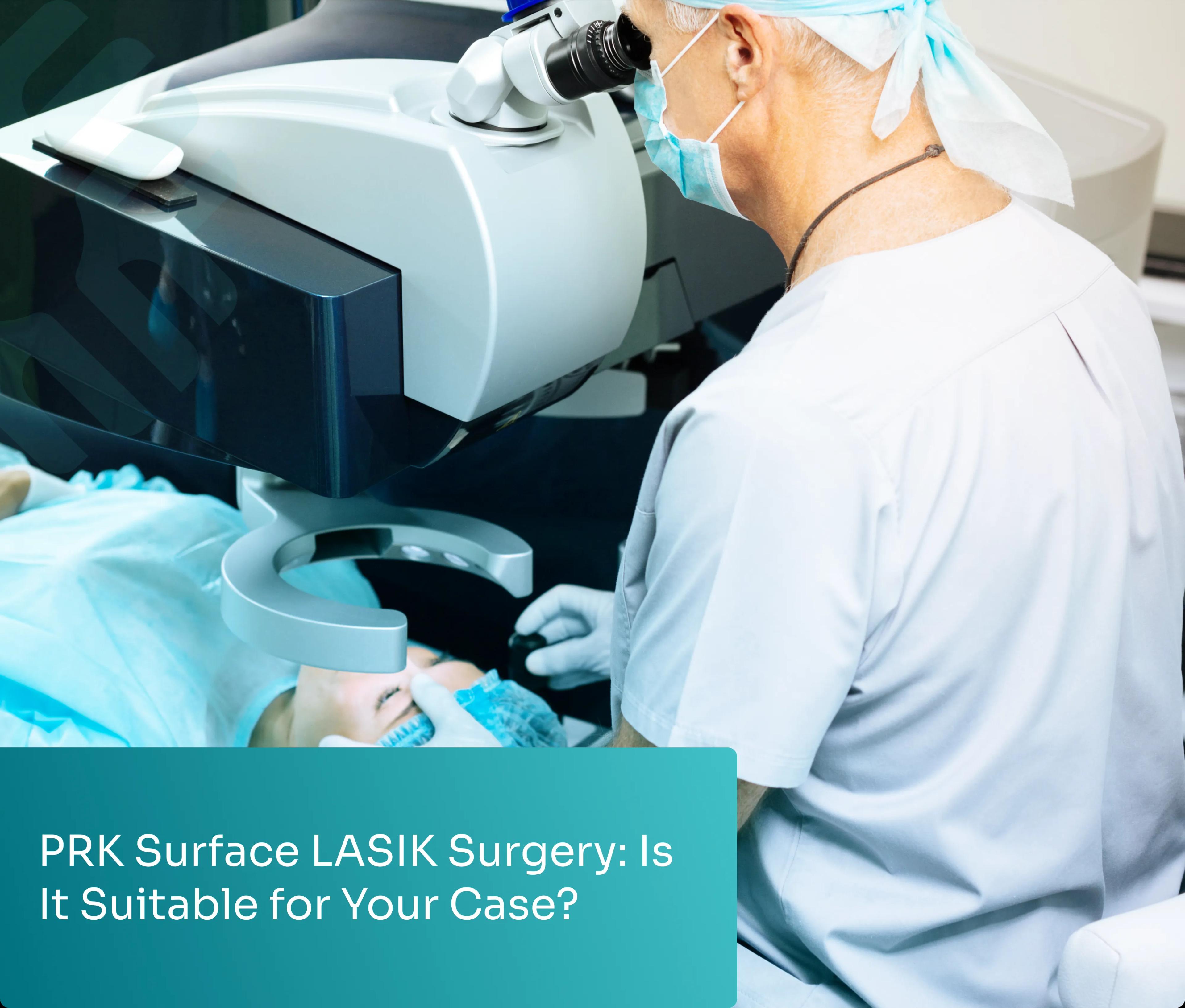
Is Surface LASIK Surgery the Right Option?Is Surface LASIK Surgery the Right Option?

5 Minutes to read

Is Surface LASIK Surgery the Right Option?

Learn about surface LASIK surgery, or PRK, and how it may help correct vision in some cases, especially when the patient has a thin cornea or is not suitable for traditional LASIK. This article explains the procedure steps, the difference between surface LASIK and regular LASIK, recovery time, expected symptoms, and key post-procedure tips before determining suitability with an ophthalmologist.

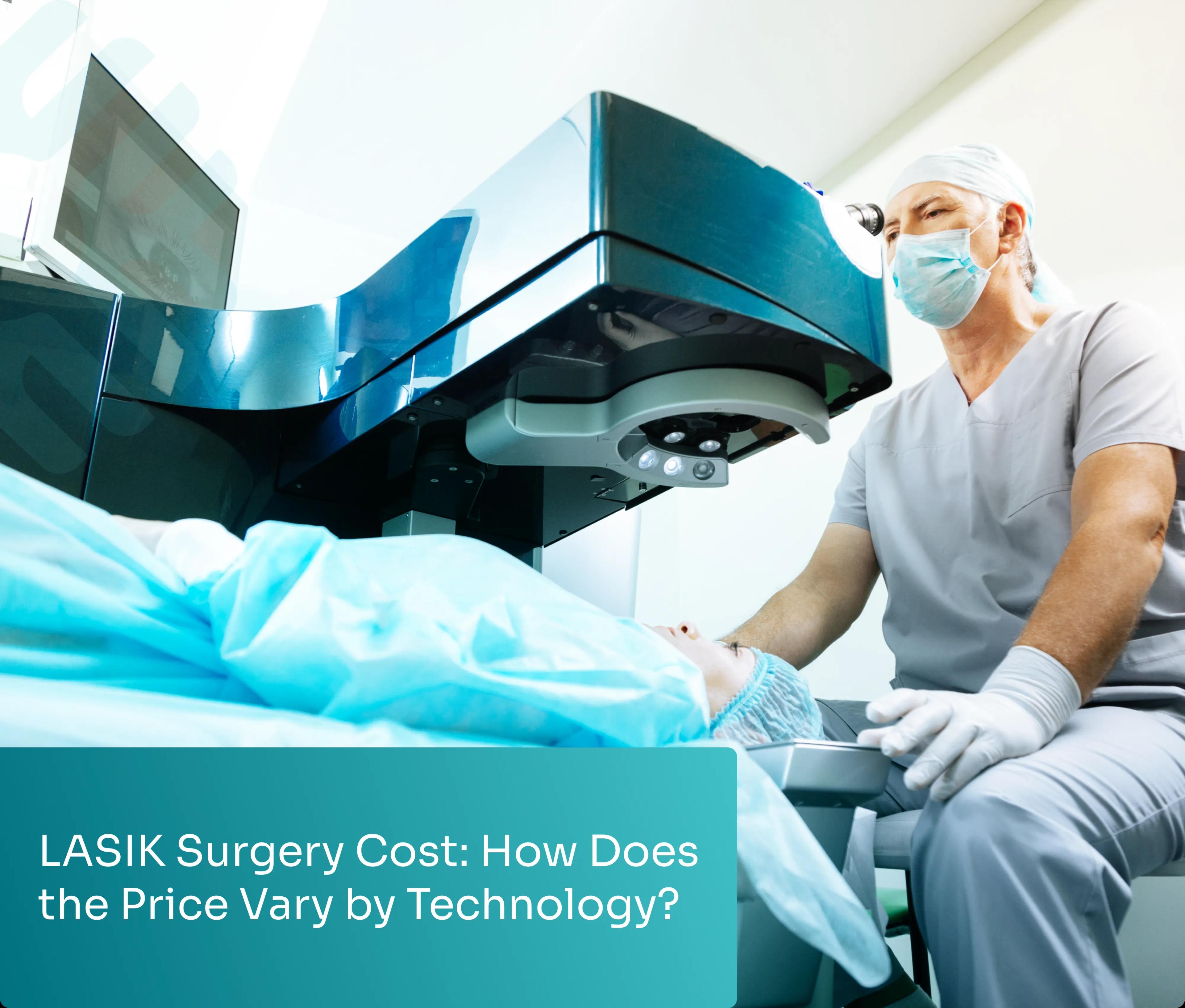
LASIK Surgery Cost: What Affects the Price?LASIK Surgery Cost: What Affects the Price?

5 Minutes to read

LASIK Surgery Cost: What Affects the Price?

This article explains the main factors that affect LASIK surgery cost, including the type of technology used, corneal condition, pre-surgery tests, and doctor’s experience. It also explains that determining the cost does not depend on price alone, but starts with a comprehensive eye examination to assess whether LASIK, femto LASIK, or surface LASIK is suitable for each case.

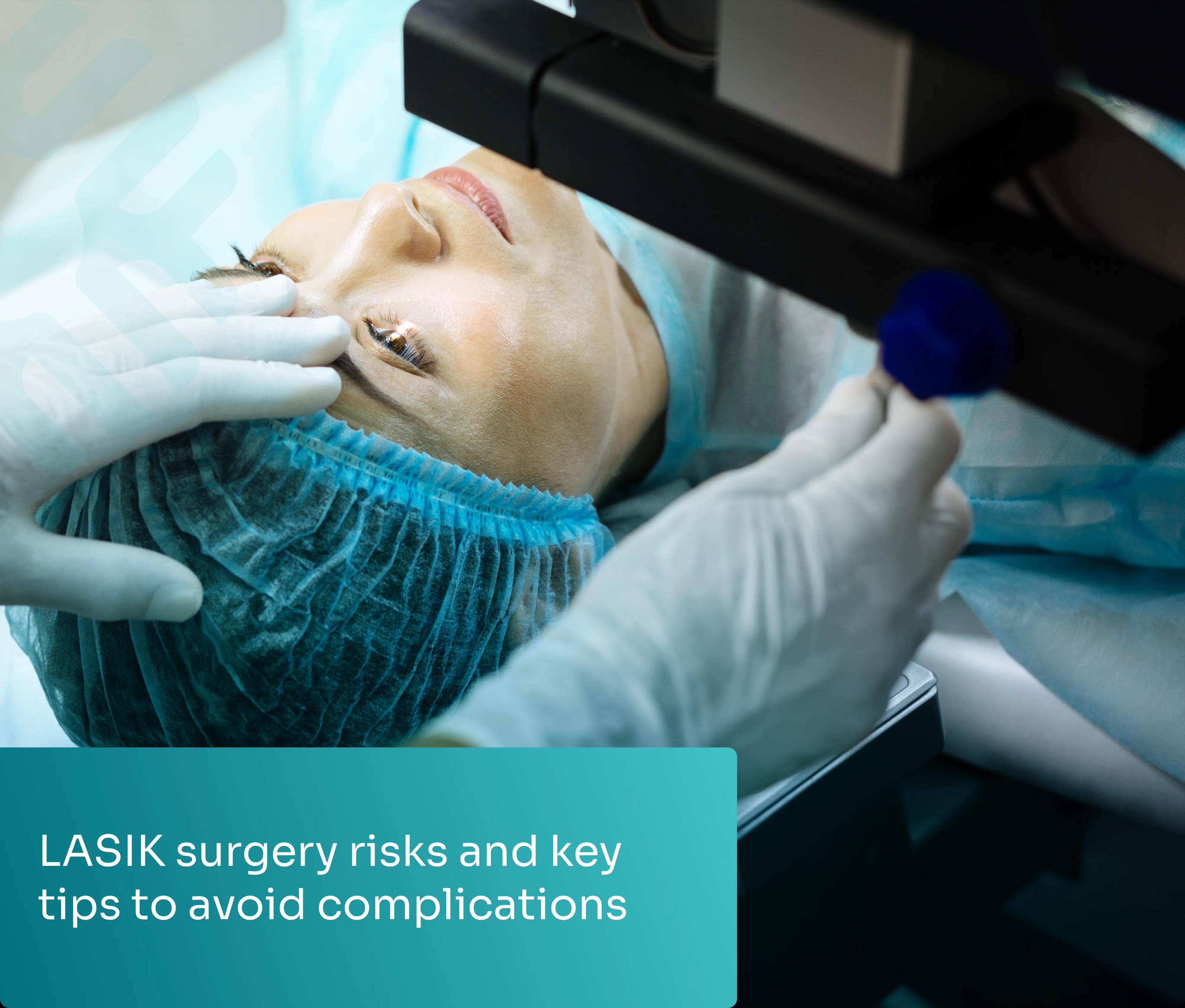
LASIK Surgery Risks: Side Effects, Warning SignsLASIK Surgery Risks: Side Effects, Warning Signs

4 Minutes to read

LASIK Surgery Risks: Side Effects, Warning Signs

This article discusses possible LASIK surgery risks, such as dry eye, blurred vision, light halos, and poor night vision, while explaining the difference between normal symptoms after surgery and warning signs that require seeing a doctor. It also explains the causes of LASIK complications and how to reduce their risks through proper examination and adherence to medical follow-up instructions.