- Saudi Arabia
- Egypt
- Qatar
- United Arab Emirates
May 14, 2026
Share


Last updated: 14/05/2026
Some patients search for the price of an Argon retinal laser session for one eye when a doctor recommends laser treatment, or when there is a problem such as a retinal hole, retinal tear, or changes caused by diabetic retinopathy.
Although knowing the cost is important, the price is usually not determined as a fixed number before the examination. Each case differs according to the reason for treatment, the size of the area that needs the laser, and the number of sessions or examinations required.
Do you have a question about the price of an Argon laser session? Contact us via WhatsApp, and the Magrabi team will help you understand the most suitable medical step.
The price of an Argon laser session cannot be determined as a fixed amount before the examination, because the session is not the same procedure for all patients.
The main reasons why the price of an Argon retinal laser session may vary include:
Magrabi doctors explain that determining the cost before examination may be inaccurate, because the doctor first needs to examine the retina, assess the location of the problem, and evaluate how it affects vision.
The final price usually depends on several factors, including:
Therefore, the more accurate question is not only: what is the price of an Argon retinal laser session for one eye? It is also: what is the diagnosis? What type of laser is required? Does the case need a simple session or an extended treatment plan?
Argon retinal laser is a type of retinal laser used by ophthalmologists to direct precise light energy to specific areas of the retina. The goal is often to seal or stabilize weak areas, reduce leakage from abnormal blood vessels, or lower the risk of progression in some retinal diseases.
Mayo Clinic explains that laser treatment may be used in diabetic retinopathy to reduce leakage of blood and fluid, or to reduce the growth of abnormal blood vessels. Some patients may need more than one session, and temporary blurred vision may occur after treatment.
Argon laser may be used in cases such as:
Some retinal symptoms may appear clearly, while the patient may not feel any symptoms at the beginning, especially in diabetic retinopathy. For this reason, regular eye examination is important, particularly for patients with diabetes or severe nearsightedness.
Symptoms that require retinal examination include:
These symptoms do not always mean that the patient needs retinal laser surgery. However, they are signs that require examination. The doctor determines whether the case only needs follow-up, retinal laser treatment, or another type of intervention.
The doctor may recommend retinal laser treatment in specific cases, especially when there are weak areas or abnormal blood vessels in the retina. The decision varies according to the examination, symptoms, and imaging results.
Conditions that may require retinal laser include:
In these cases, the decision does not depend on symptoms alone. It also depends on fundus examination and retinal imaging when needed. The treatment plan changes from one case to another, and therefore the price of an Argon retinal laser session may also vary.
Before determining the price of an Argon laser session, the doctor needs to examine the eye and identify the cause of the problem. The cost is not determined based only on the name of the procedure, but on the details of the case.
Diagnosis may include:
After these steps, the doctor can determine whether the patient needs Argon laser, how many sessions may be expected, and whether there are additional examinations or follow-up visits.
Methods of retinal laser treatment vary depending on the retinal problem. The doctor does not use lasers in the same way for all cases.
|
Condition |
Possible role of laser |
|
Peripheral retinal hole |
Stabilizing the area around the hole to reduce the risk of progression |
|
Retinal tear |
Reducing the possibility of tear extension or complications |
|
Diabetic retinopathy |
Reducing the effect of abnormal blood vessels or leakage in some cases |
|
Weak retinal areas |
Supporting weak areas according to the doctor’s evaluation |
|
Retinal detachment |
It may require surgical intervention, and laser may be part of the plan in specific cases |
Being advised to have laser treatment does not mean that all patients will have the same result. Therefore, doctors in the ophthalmology department at Magrabi Hospitals emphasize that the plan varies from one patient to another, and that determining the price of an Argon retinal laser session for one eye should come after identifying the type of treatment required.
You can read more about retinal services at Magrabi to learn about the medical details, examination steps, and treatment options.
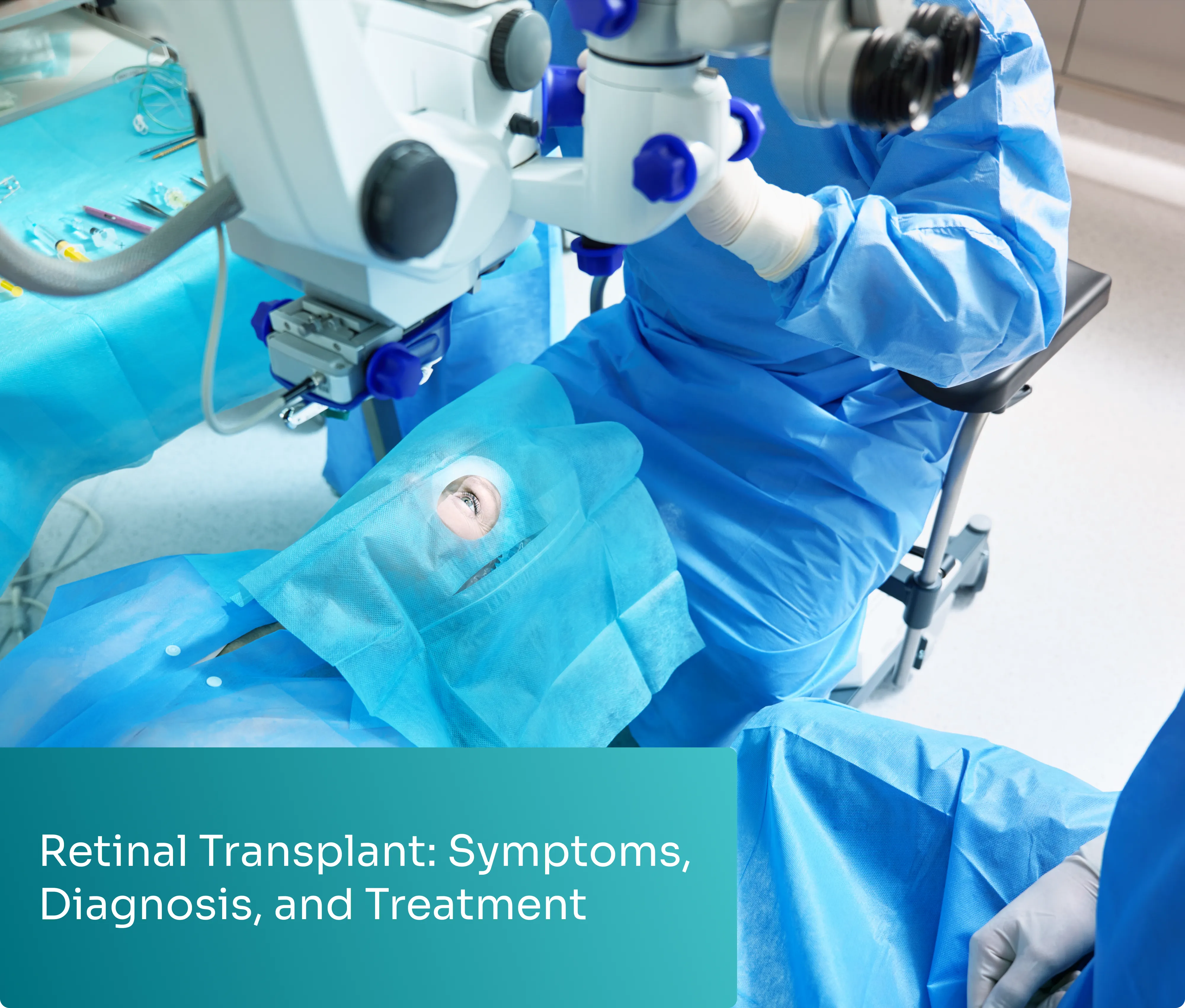
An eye laser session is usually performed inside the clinic or procedure unit, and it usually does not require hospital admission. In general, its steps are similar to a regular eye examination, with the use of a laser device and a special lens to guide the treatment accurately to the retina.
The session usually goes through the following steps:
The doctor reviews the examination results and retinal images, and confirms the area that needs laser treatment.
Special drops are used to dilate the pupil so the doctor can clearly see the retina during the session.
The doctor applies anesthetic drops to reduce discomfort when using the lens or directing the laser.
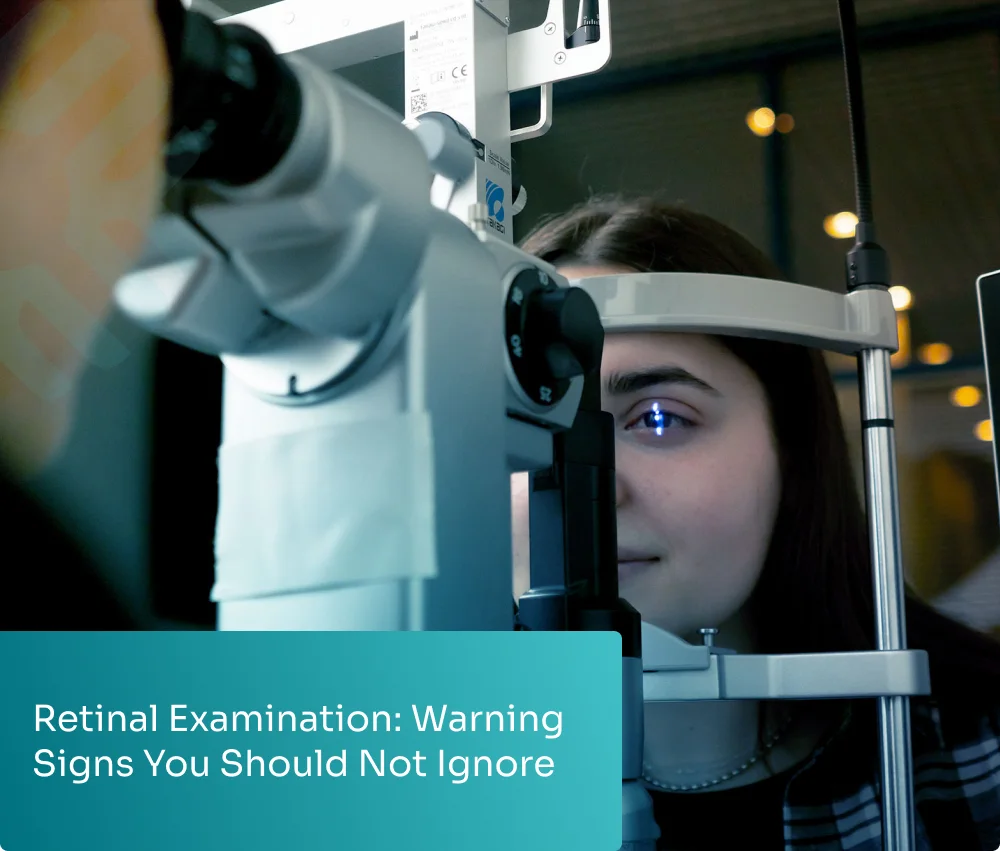
The patient sits in front of the device, similar to a regular eye examination, and the doctor asks the patient to fix their gaze in a specific direction.
A lens is placed on or near the surface of the eye. It helps the doctor see the retina and direct the laser to the required area.
The doctor directs laser pulses precisely around a retinal hole, the area of a tear, or the affected areas according to the diagnosis.
During the session, the patient may notice some normal sensations, such as:
After the session ends, vision may become blurry due to pupil-dilating drops or the effect of the laser. Therefore, it is preferable to bring someone with you and avoid driving until vision improves or the doctor allows it.
The duration of the session varies depending on the retinal condition. It may be short if the treatment is limited around a small hole, and it may take longer if wider areas need treatment. For this reason, the price of an Argon retinal laser session for one eye may vary depending on the treatment area, session duration, and number of areas that need laser.
Like any medical procedure, retinal laser may be associated with some side effects, which are often temporary. The doctor explains to the patient what to expect before the session according to their case.
Possible side effects may include:
Magrabi doctors advise seeing the doctor if severe pain, clear deterioration in vision, or a sudden increase in symptoms occurs after laser treatment.
Good preparation helps the patient enter the session with awareness and reassurance. It also helps the doctor make a more accurate treatment decision.
Before the session, it is preferable to:
It is also preferable to ask the doctor clearly about the cost details, and whether the price of an Argon retinal laser session for one eye includes examinations and follow-up or not.
After retinal laser surgery or an Argon laser session, the patient may experience temporary blurred vision due to dilation drops or the effect of the laser. The doctor usually explains the appropriate instructions before the patient leaves the clinic.
After the session, the patient may be advised to:
Follow-up is important because some cases require an additional session, and this may affect the total treatment cost.
Not all retinal diseases can be prevented, but some risk factors can be reduced through regular examinations and attention to general health.
Important tips include:
Magrabi doctors explain that prevention and early follow-up may reduce the need for more complex procedures, and may also help determine the right treatment at the right time.
Magrabi doctors recommend seeing an ophthalmologist if unusual vision symptoms appear, or if symptoms persist and affect reading, driving, phone use, or daily activities. Retinal problems may be simple at the beginning, but early evaluation helps the doctor determine whether the case needs follow-up only, a retinal laser session, or another treatment.
You should book an appointment with an ophthalmologist in the following cases:
If you notice that vision has become unclear repeatedly or does not improve with rest.
Especially if the flashes appear in the side of the visual field or occur repeatedly during the day.
Such as seeing black spots, threads, or small shadows moving in front of the eye, especially if they appear suddenly.
This symptom needs prompt evaluation because it may indicate a retinal problem that requires medical intervention.
Whether it occurs in one eye or both eyes, you should not wait for it to improve on its own.
Especially if accompanied by blurred vision, light sensitivity, or difficulty opening the eye.
Even if vision seems acceptable at first, the retina may need examination for reassurance.
Some cases of high myopia may be associated with weakness or thinning in the peripheral retina.
Retinal examination should also not be delayed if the patient has diabetes, even when there are no symptoms. Some diabetes-related retinal changes may begin silently, and the patient may not notice them in the early stages.
The importance of regular examination increases in the following cases:
Examination does not necessarily mean that the patient needs an Argon retinal laser. However, it helps detect the problem accurately. After fundus examination and retinal imaging when needed, the doctor can determine whether the case requires follow-up, medication, injections, or retinal laser treatment.
Argon retinal laser is used in some retinal holes, retinal tears, and diabetic retinopathy. The doctor determines the appropriate use after fundus examination and retinal imaging when needed.
Lasers may help treat some peripheral retinal holes by stabilizing the area around the hole. However, some cases require other options, so a retina specialist should determine the suitable treatment plan.
The duration of the session varies depending on the eye condition and treatment area. Some sessions are short, while other cases may need more time or more than one session.
Yes, some patients may need more than one session, especially in diabetic retinopathy or when there are wide areas that need treatment. The doctor determines this after follow-up.
You may receive an approximate cost, but the exact price requires an examination. The price of an Argon retinal laser session for one eye varies according to diagnosis, examinations, treatment area, and number of required sessions.
Not always. Some centers separate the cost of examination or imaging from the cost of the session. Therefore, it is best to ask the medical team after the examination about the price details and what it includes.
At Magrabi, medical care begins with a clear diagnosis and a suitable treatment plan. Book your appointment now by contacting us by phone or through the booking form.
The price of an Argon retinal laser session for one eye depends on the diagnosis, treatment area, number of sessions, and examinations required before the procedure. Therefore, relying on a general price before visiting an ophthalmologist is not recommended. Early examination helps determine whether the case needs Argon retinal laser, another treatment, or follow-up only. At Magrabi Hospitals, choosing the suitable plan begins with an accurate examination and medical evaluation that considers each patient’s condition without exaggerated promises.
Medically reviewed by Dr. Abdullah Al-Asiri.
Medical Disclaimer: The information in this article is for health education purposes only and does not replace a visit to a doctor or consultation with a qualified specialist. Magrabi doctors recommend seeing a doctor to accurately evaluate the condition and determine the appropriate treatment.