- Saudi Arabia
- Egypt
- Qatar
- United Arab Emirates
May 12, 2026
Share


Last updated: 12/05/2026
Retinal surgery is one of the delicate procedures that an ophthalmologist may use to treat problems affecting the retina. The procedure may be necessary in cases such as retinal tears, retinal detachment, or some diabetes-related complications that affect vision.
Needing retinal surgery does not always mean that the condition is alarmingly serious. However, it does mean that early examination and choosing the right treatment plan can help protect vision as much as possible.
According to the Saudi Ministry of Health, retinal detachment requires prompt evaluation by an ophthalmologist when its symptoms appear.
Magrabi’s team helps you reach the right specialty. Contact us through WhatsApp to ask about retinal surgery.
Retinal surgery in the eye is a general term for a group of surgical or therapeutic procedures that aim to repair retinal problems or fix the retina in its normal position. These procedures may include laser retinal surgery, pneumatic retinopexy, scleral buckling, or vitrectomy, depending on the type of problem, its location, and its effect on vision.
Doctors at Magrabi Hospitals explain that choosing the type of retinal surgery does not depend on the name of the condition alone. It also depends on the examination results, the presence of a tear or detachment, the condition of the vitreous body, and the extent to which the center of vision is affected.
A patient may need retinal surgery when a problem appears that cannot simply be monitored or treated with simple methods. The most important reasons include:
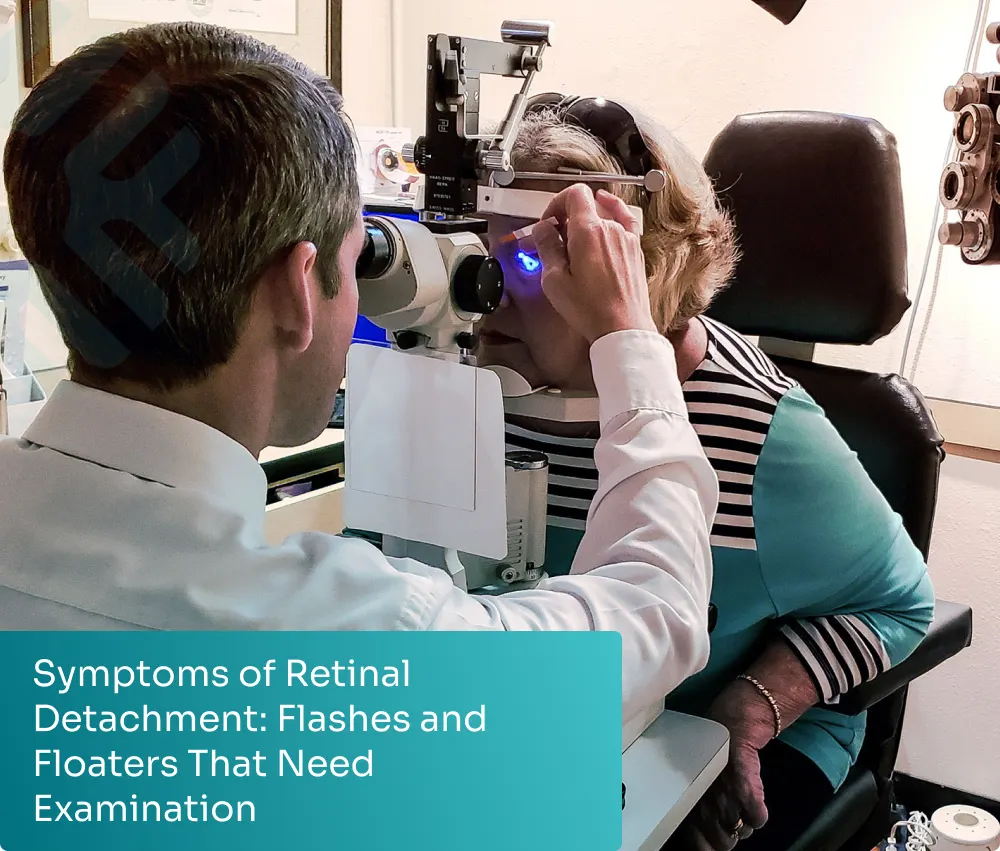
Retinal problems do not always cause pain, so visual changes should be taken seriously. Symptoms that may require urgent examination include:
Magrabi doctors note that the appearance of these symptoms does not necessarily mean there is a complete detachment, but it does require a retinal examination to confirm the cause.
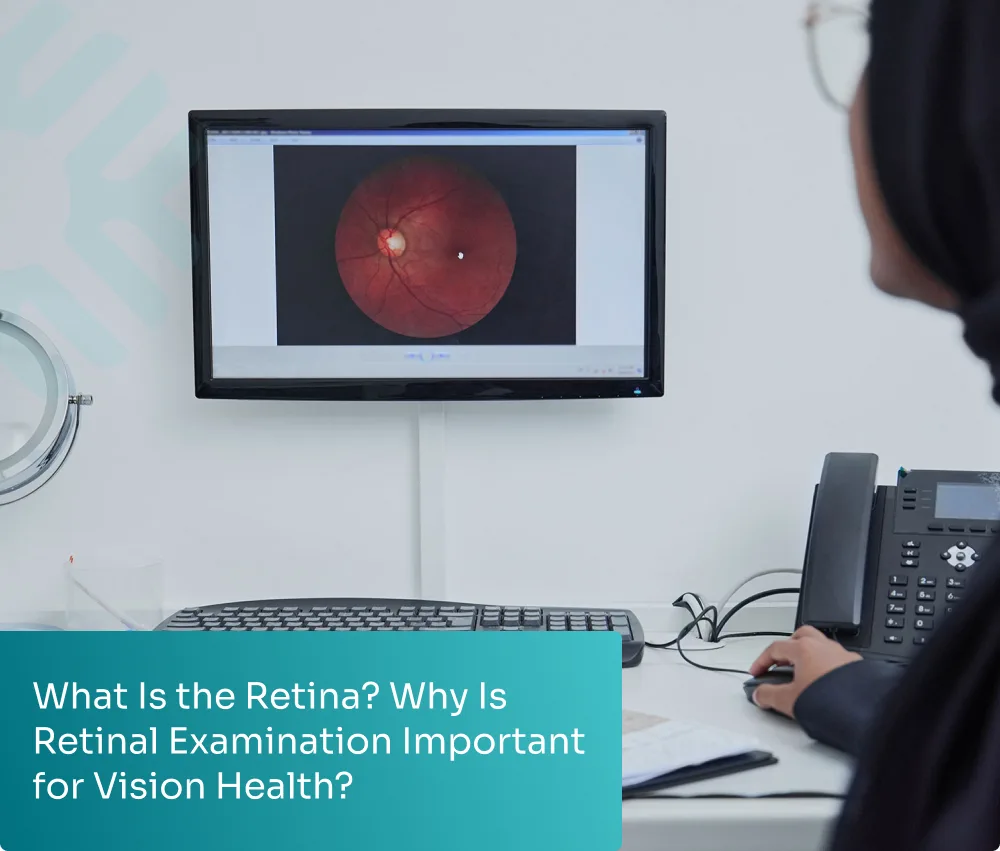
Diagnosis begins by asking the patient about symptoms, when they appeared, the presence of diseases such as diabetes, or a previous history of eye surgery or injury. The doctor then checks visual acuity and eye pressure, then uses drops to dilate the pupil and clearly examine the retina.
The doctor may need retinal imaging or an ultrasound examination if there is bleeding or cloudiness that prevents a clear view of the retina. Mayo Clinic states that diagnosing retinal detachment may include examining the retina with a lamp and special lenses, and ultrasound may be used when it is difficult to see the retina because of bleeding inside the eye.
The treatment method varies according to the diagnosis. Not all retinal problems require the same surgery, and some cases are treated with laser or freezing before a full detachment occurs.
|
Type of Treatment |
When Is It Used? |
Main Idea |
|
Laser photocoagulation |
Retinal tears or holes before complete detachment |
The laser creates a scar that helps secure the retina around the tear |
|
Cryotherapy |
Some retinal tears |
Freezing is used to create a scar that helps secure the retina |
|
Pneumatic retinopexy |
Some suitable cases of retinal detachment |
A gas bubble is injected to help push the retina back into place |
|
Scleral buckling |
Some cases of retinal detachment |
A flexible band is placed around the white part of the eye to reduce traction on the retina |
|
Vitrectomy |
Detachment, vitreous traction, or bleeding inside the eye |
The vitreous body is removed, and gas or silicone oil is used to help secure the retina |
Doctors explain that treatment of retinal tears may include laser or freezing, while retinal detachment often requires surgery. Options may include pneumatic retinopexy, scleral buckling, or vitrectomy.
If you want to understand the next step before undergoing retinal surgery, learn about Magrabi’s retinal services and what they may offer for your condition.
Laser retinal surgery is often used when there is a tear or hole in the retina before a complete detachment occurs. The doctor directs the laser around the tear to create small scars that help keep the retina in place.
Retinal surgery, such as scleral buckling or vitrectomy, is usually used when there is detachment or clear traction that requires returning the retina to its place.
The National Eye Institute explains that some retinal detachment surgeries may also include laser or freezing to repair holes or tears and support retinal fixation after the procedure.
Instructions vary according to the type of surgery and the gas or oil used inside the eye. Therefore, the doctor’s instructions must be followed carefully, and the condition should not be compared with another patient’s case.
Common instructions after retinal surgery in the eye include:
AAO guidelines indicate that some patients need to maintain a specific head position after retinal surgery. Flying, going to high altitudes, or diving is not allowed until the gas bubble disappears if it was used inside the eye.
Recovery after surgery depends on the type of surgery, the size of the problem, the patient’s age, the presence of diseases such as diabetes, and the extent to which the center of vision was affected before treatment. Improvement may begin within weeks, but vision stabilization may require several months in some cases.
Magrabi doctors explain that vision may need months to improve after retinal detachment surgery, and not all lost levels of vision may return in some cases. Improvement may begin after weeks, with the need for medical follow-up.
Like any surgical procedure, retinal surgery may be associated with some possible complications, but the likelihood of their occurrence varies from one patient to another. The doctor discusses the benefits and risks before surgery based on the condition.
Possible complications include:
AAO EyeNet indicates that most patients undergoing retinal detachment repair achieve successful results, but complications after surgery can occur and should be managed early.
Doctors at Magrabi Hospitals recommend seeing a doctor if symptoms persist, worsen, or affect daily life. The visit becomes more important when sudden flashes, an increase in floaters, or a curtain-like shadow in the visual field appears.
According to the Saudi Ministry of Health, it is recommended to see an ophthalmologist or go to the emergency department when symptoms of retinal detachment appear, because early treatment helps reduce the chances of vision deterioration.
Not all retinal problems can be prevented, especially those related to age or factors that cannot be controlled. However, some risks can be reduced through practical steps:
The Saudi Ministry of Health explains that routine eye examinations help with early detection of retinal problems. It also emphasizes the importance of controlling diabetes, blood pressure, and cholesterol to reduce diabetic eye complications.
Retinal surgery is needed when there is a retinal tear, hole, detachment, or retinal complications that affect vision and cannot be managed by monitoring alone. The decision depends on the ophthalmologist’s examination and retinal imaging results.
The success rate of retinal surgery varies depending on the type of problem, timing of treatment, and location of the detachment. AAO EyeNet indicates that most retinal detachment repair patients, approximately 80% to 90% depending on the type of surgery, achieve successful outcomes.
Recovery may take weeks, while vision improvement may continue for several months. This depends on the type of procedure, the use of gas or oil, and how much the retina was affected before surgery. Regular follow-up is necessary to assess healing.
The surgery is usually performed under suitable anesthesia, and the doctor determines the type of anesthesia according to the condition. The patient may feel discomfort or mild pain after surgery, but the doctor should be informed if the pain is severe or accompanied by worsening vision.
To get an accurate medical evaluation before undergoing retinal surgery, book your appointment with Magrabi’s specialized doctors through phone call or the booking form.
Retinal surgery helps treat delicate problems such as retinal tears, retinal detachment, or some diabetes-related complications, but the type of treatment varies depending on the diagnosis. Sudden symptoms such as flashes, floaters, or the appearance of a shadow in vision require prompt examination. Doctors at Magrabi Hospitals recommend not delaying a visit to the ophthalmologist, because early diagnosis helps choose the most suitable treatment and protect vision as much as possible.
Medically reviewed by Dr. Hassan Adel.
Medical Disclaimer: The information in this article is for health education purposes only and does not replace a visit to a doctor or consultation with a qualified specialist. Magrabi Hospitals doctors recommend seeing a doctor to accurately evaluate the condition and determine the appropriate treatment.