
Metal Braces
Brackets attached to the teeth and connected by wires that are adjusted gradually during follow-up. Used for a wide range of cases, particularly when several teeth must move in different directions or elastics are needed.
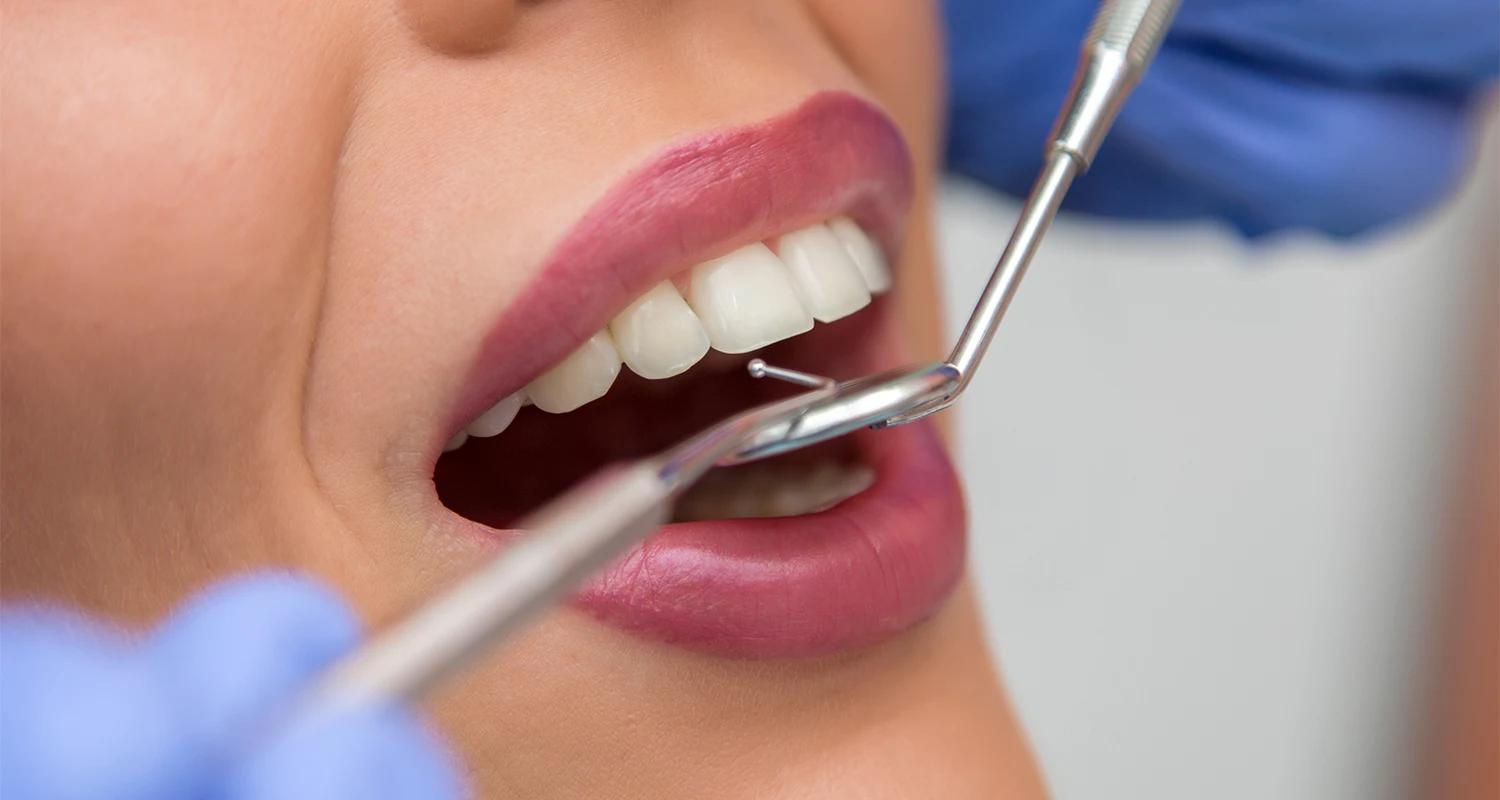

Dental Services | Orthodontics
Magrabi Health offers orthodontic treatment with four options: metal braces, ceramic braces, clear aligners, and removable and functional appliances for children and adolescents, provided by orthodontists and supported by more than 70 years of healthcare experience.
Orthodontics treats crowded teeth, gaps, protruding teeth and bite problems by moving the teeth gradually into planned positions. At Magrabi Health, the decision starts with an examination of the teeth, gums and jaws, so the dentist can confirm whether you need treatment and which type suits your case.
The Magrabi Health team can book your orthodontic assessment at the nearest branch in one WhatsApp conversation.
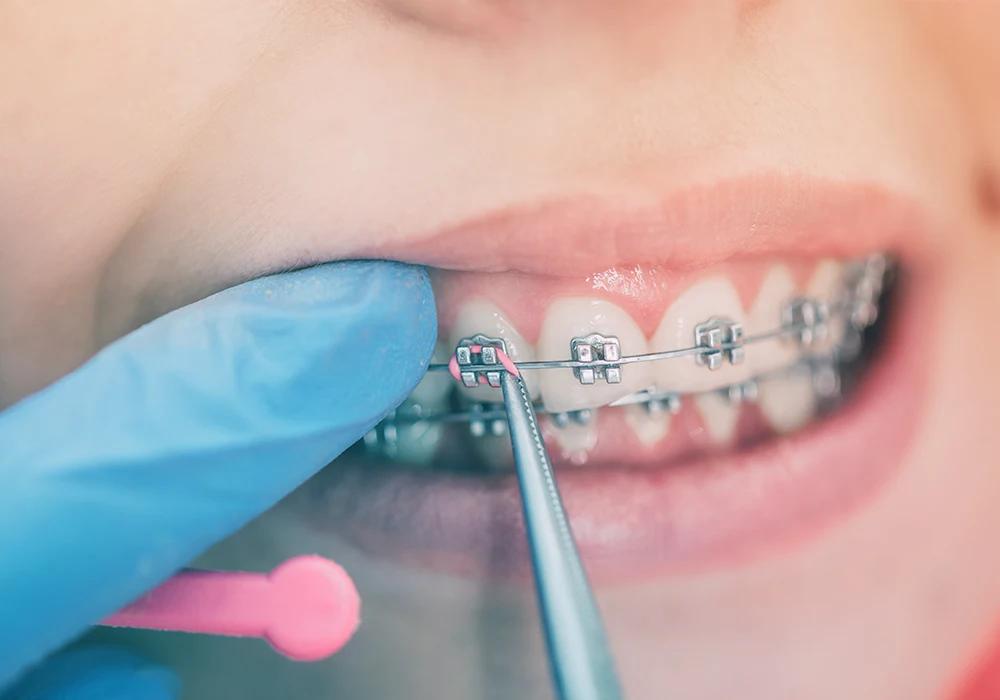
Most patients consider orthodontics because of crowded teeth, gaps or a bite problem. The right appliance depends on tooth alignment and the condition of the jaws and gums, so the journey always starts with an assessment.
Go to the signs section to learn when an orthodontic assessment is advised.
Go to the options to see how metal, ceramic and clear aligners differ.
Explore treatment types to see how functional appliances can guide jaw growth.
Go to the orthodontists and the branches offering the service at Magrabi Health.
Understanding the Treatment
Orthodontics is a dental specialty concerned with diagnosing problems involving tooth alignment, the bite and the relationship between the jaws, then preparing a plan to adjust the positions of the teeth gradually according to each patient’s condition.
Orthodontic appliances apply light, controlled forces that move the teeth through the jawbone over time, and the dentist controls the direction and extent of movement during follow-up appointments. The same plan is not used for every patient; the appliance and treatment duration vary according to tooth alignment, age, gum health and the complexity of the case.
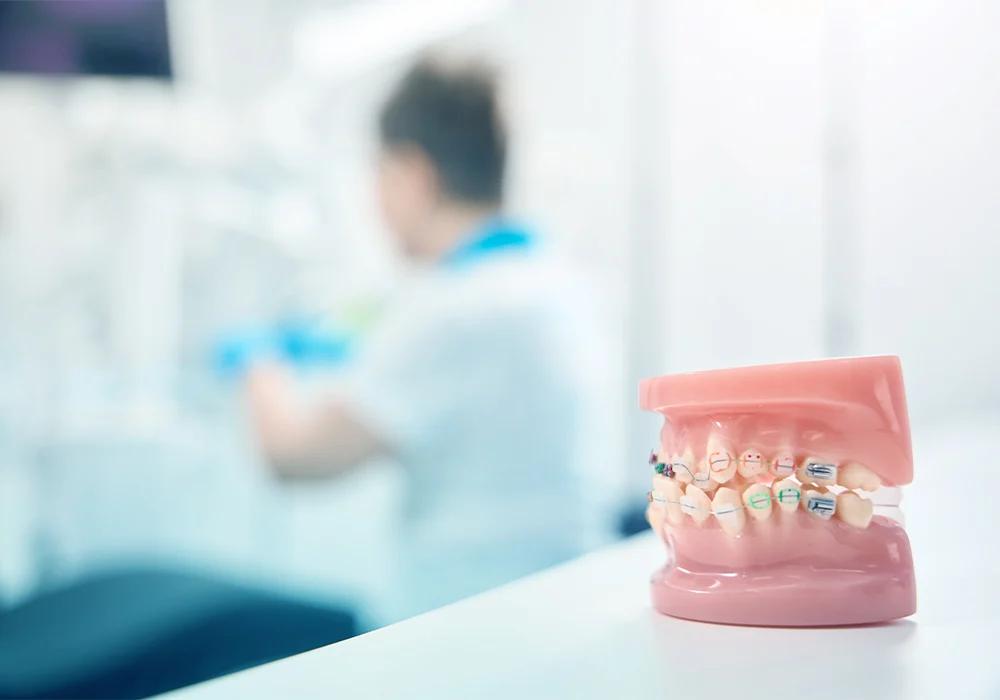
Fixed braces usually consist of brackets attached to the teeth and wires connecting them, sometimes with elastics or supporting appliances. Clear aligners consist of removable trays and may need small attachments on the teeth.
Magrabi Health offers four orthodontic options. The dentist selects one after assessing the teeth and bite, not based only on the appearance or cost of the appliance.
Clear aligners are not suitable for every case. Some patients may need fixed braces, small attachments on the teeth, or elastics and additional appliances to achieve the required movement.
An orthodontic assessment may be appropriate if your teeth are misaligned, the upper and lower jaws do not meet correctly, or crowding makes certain areas of the mouth difficult to clean.
Medical notice: The appropriate type of orthodontic treatment cannot be selected based only on the appearance of the teeth. The decision requires an examination of the teeth and gums, an assessment of the bite and jaw development, and the necessary photographs or X-rays.
Before selecting an appliance, the dentist evaluates the teeth and jaws comprehensively, because the plan depends not only on the front teeth but also on gum health, jaw development, available space and the bite.
The dentist asks why you want braces, such as crowding, gaps, protruding teeth or the bite, and discusses preferences such as a less noticeable or removable appliance.
The dentist checks for decay or fillings that need treatment and assesses gum health, because tooth movement requires healthy supporting tissues and consistent daily care.
The dentist assesses crowding or spacing, the available space, how the upper and lower teeth meet, whether a jaw is forward or back, and pressure during chewing.
The dentist may request photographs, panoramic or lateral X-rays, and digital scans or impressions to assess roots, unerupted teeth, jawbones and space for movement.
Inform the dentist about chronic conditions, medications, previous dental or gum treatment, and any previous experience with orthodontic treatment or retainers.
The dentist explains the proposed treatment, required movements, any extraction or preparatory care, estimated duration, follow-up visits, retainer type and expected cost.
Treatment stages differ from one patient to another, but an orthodontic journey usually passes through six stages, from diagnosis to holding the teeth in their new positions.
Examining the teeth, gums and jaws with photos, X-rays and scans to define the problem, required space and movements, and the right appliance.
Treating decay or gum inflammation or replacing fillings. The dentist may advise removing a tooth or a retained baby tooth to create space.
Attaching brackets and wires for fixed braces, or providing clear aligners with instructions on wearing, cleaning and when to change them.
The dentist checks tooth movement, gum health and the appliance, and may adjust wires, move you to new aligners or add elastics.
Once the teeth reach their planned positions, the dentist confirms a stable bite, then removes the fixed appliance or completes the aligner stages.
Most patients need a removable or fixed retainer behind the teeth to hold their new positions, and the dentist sets how and how long to use it.
In appropriate cases, orthodontic treatment may improve tooth alignment and the bite while making daily oral care easier. Results depend on the case, the accuracy of the plan and the patient’s commitment.
Orthodontists at Magrabi Health assess tooth alignment, the bite and jaw development, and plan treatment with metal braces, ceramic braces or clear aligners according to the services available at each branch.

Orthodontist And Cosmetic Dentist
The Magrabi Health team can help you choose the right doctor and nearest branch and book your orthodontic assessment.
Orthodontic assessment and treatment are available at the branches below. Available appliances may vary between branches, so it is best to contact us before booking to confirm the option you need.
Cairo
Open Now , Closes At 9:00 PM
An orthodontic plan may require another service before the appliance is fitted or during treatment. Each of the following pages explains a related service in more detail.
Dental care at Magrabi Health draws on more than 70 years of experience and individual plans.
Metal, ceramic, clear aligners and functional appliances, selected by the movements required.
Teeth, gums and bite are assessed with X-rays and measurements before the treatment plan is set.
Coordination with gum, root canal, surgery and pediatric care, with retention planned after treatment.
Before visiting the dentist, preparing some information helps you receive a clearer assessment and a more accurate treatment plan.
The first step is not choosing an appliance or comparing orthodontic treatment costs, but examining the teeth, gums and jaws. After the assessment, the dentist explains whether braces suit you, the appliance type, the expected duration and the retention plan.

 Clear Aligners: How Do They Work and Who Are They Suitable For?
4 Minutes to read
This article explains how clear aligners work, the cases they may be suitable for, the stages of treatment, and how long the trays need to be worn. It also compares clear aligners with metal braces and provides practical care and follow-up advice.
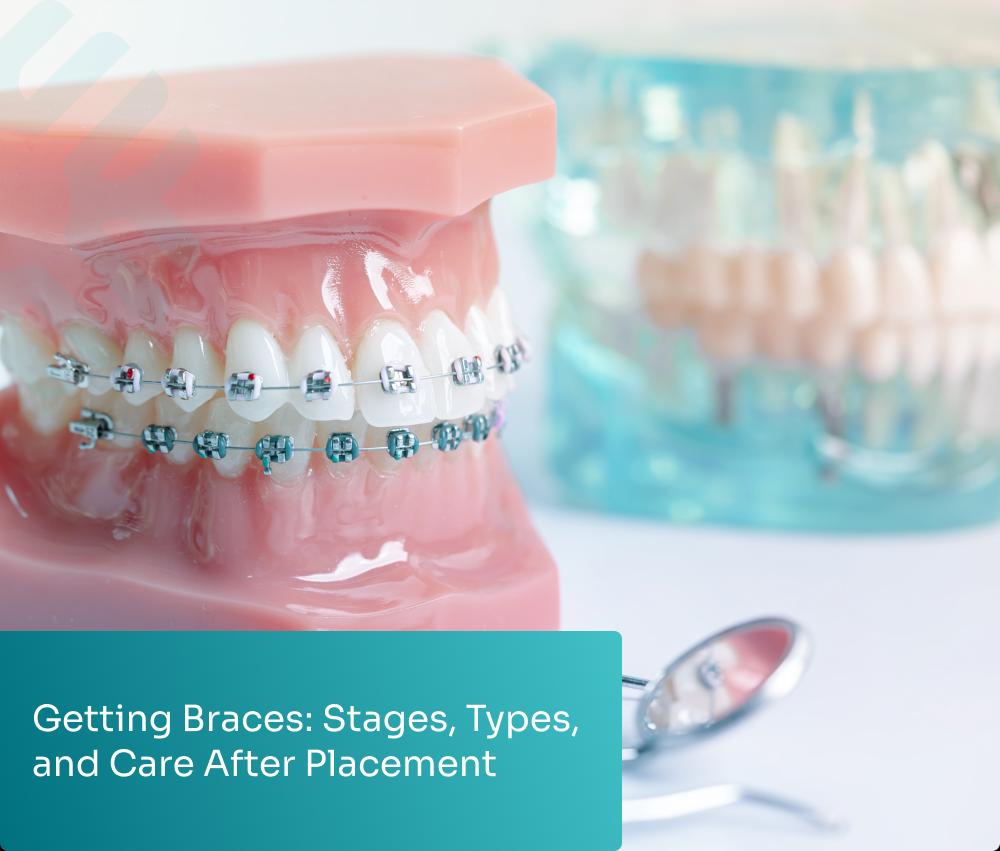 Getting Braces: Stages, Types, and Care After Placement
4 Minutes to read
This article explains the steps involved in fitting dental braces, the conditions that may require orthodontic treatment, and the examinations needed before treatment begins. It also covers the available types of braces, the expected treatment duration, oral care during treatment, and when to see an orthodontist.
 Most important 7 FAQs about Orthodontics treatment!
5 Minutes to read
What is orthodontics treatment? Orthodontics is a specialty of dentistry that focuses on tooth misalignment,...