Services

Eye Services / Lens Implantation for Vision Correction

Lens Implantation for Vision Correction (ICL): Suitability, Procedure and Recovery

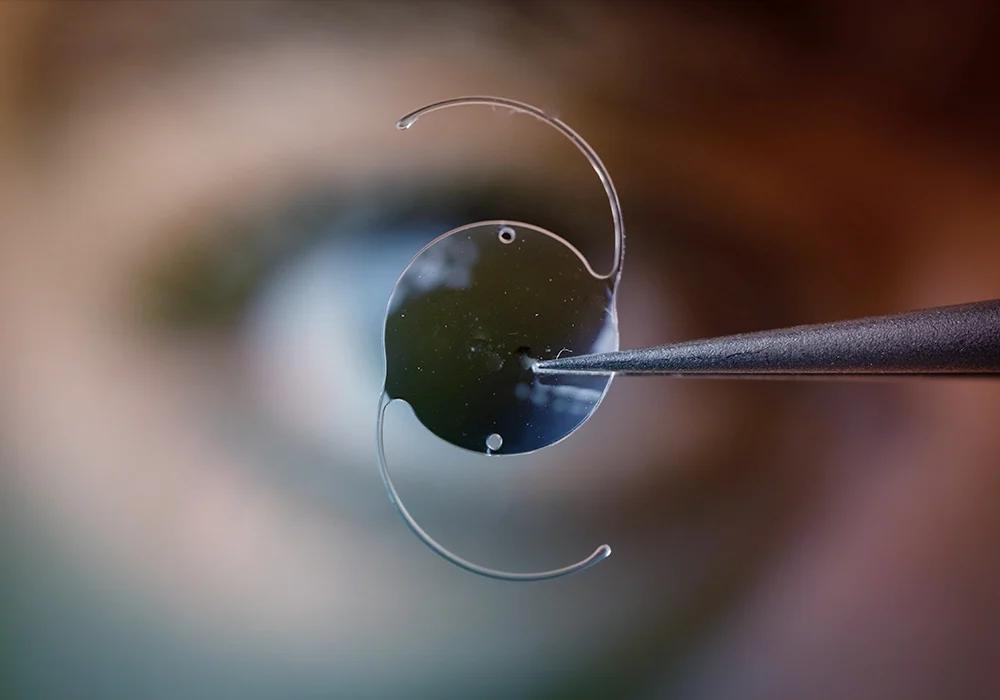
Lens implantation for vision correction (ICL) at Magrabi Health places a thin corrective lens inside the eye, in front of the natural lens, to treat high nearsightedness, farsightedness and astigmatism without removing corneal tissue or replacing the eye’s own lens. It is often the option when the cornea is too thin or the prescription too high for LASIK.

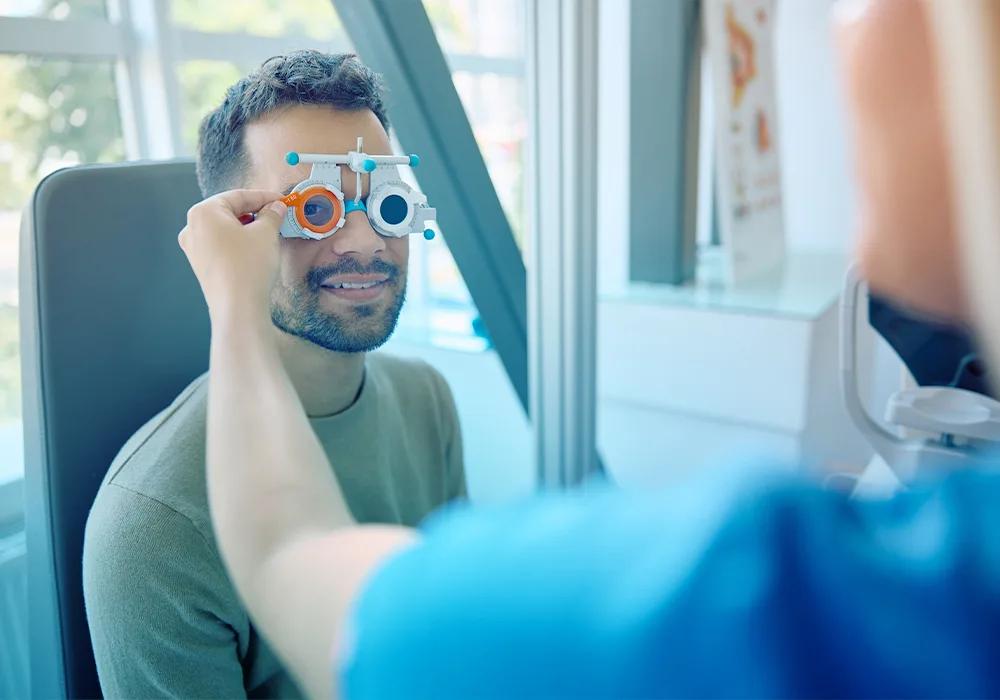
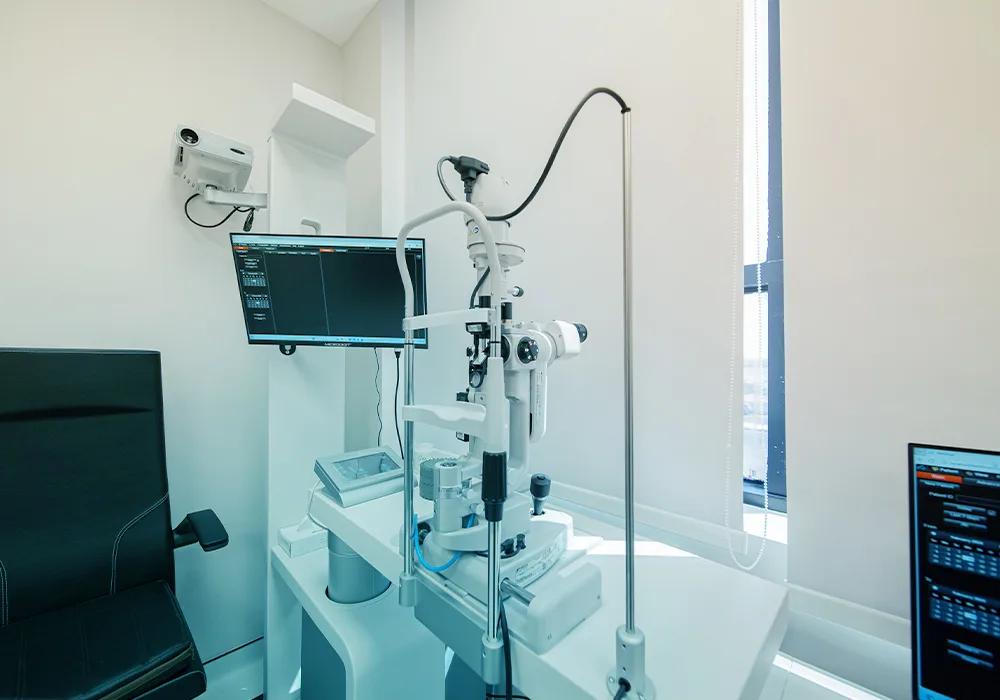
Magrabi Health performs an average of 2,000 lens implantation procedures a year, within a vision correction service that has cared for more than 4.5 million patients. Treatment starts with an assessment of the cornea, the space inside the eye, eye pressure and the retina, and the procedure itself takes 20–30 minutes per eye.


Want to Know Whether Lens Implantation Suits Your Eyes?

Message us on WhatsApp, and we’ll connect you with the right doctor and branch in your city, with the earliest appointment for your lens implantation assessment.

Want to Know Whether Lens Implantation Suits Your Eyes?
What Is Lens Implantation for Vision Correction?

Understanding Lens Implantation

What Is Lens Implantation for Vision Correction?

In lens implantation, the surgeon places a thin, flexible corrective lens inside the eye through a small incision, usually between the iris and the natural lens. The lens works like a permanent contact lens inside the eye, helping light focus correctly on the retina.

Unlike LASIK, lens implantation doesn’t reshape or thin the cornea, and unlike cataract surgery, it keeps the eye’s natural lens in place. The implanted lens can be removed or replaced if needed, and a toric lens can also correct astigmatism.

Lens Implantation Requirements and When It May Not Suit You

Lens implantation depends on more than your prescription: there must be enough space inside the eye, a healthy inner corneal layer and normal eye pressure. Your doctor confirms suitability after the assessment.

You may be a good candidate if:

  • You are 21 or older, usually under 45.
  • Your prescription has been stable for at least 12 months.
  • You have high nearsightedness, farsightedness or astigmatism.
  • Your cornea is too thin or irregular for laser correction.
  • There is enough space inside your eye for the lens.
  • Your eye pressure is normal, and your retina and inner corneal layer are healthy.

Lens implantation may not suit you if:

  • The space in front of your natural lens is too shallow.
  • You have glaucoma or high eye pressure.
  • Your natural lens is starting to cloud (cataract).
  • You have active inflammation or an eye infection.
  • Your prescription is still changing.
  • You are pregnant or breastfeeding at the time of surgery.

Medical note: Lens implantation is a planned, elective procedure. A sudden drop in vision, eye pain or increasing redness is not a reason to book it; see an eye doctor or go to the emergency department right away.

How Is Lens Implantation Performed?

Lens implantation usually takes 20–30 minutes per eye, and you go home the same day. The two eyes are often treated on different days, as your doctor decides.

  1. Step 1

    Numbing the Eye

    Anesthetic drops are used, sometimes with light sedation. You stay awake and may feel slight pressure, but no pain.

  2. Step 2

    A Small Incision

    The surgeon makes a tiny incision at the edge of the cornea, small enough to heal on its own without stitches.

  3. Step 3

    Placing the Lens

    The folded lens is inserted, gently unfolds inside the eye, and is positioned between the iris and the natural lens.

  4. Step 4

    Checks and Going Home

    Your eye pressure is checked before you leave, then you go home with eye drops, an eye shield and a follow-up date.

Lens Implantation Videos: Procedure, Lens Types and Recovery

Lens Implantation or Laser Vision Correction?

When Is Lens Implantation Usually Considered?

Lens implantation is usually considered when the prescription is beyond the laser range, the cornea is thin or irregular, or dry eye makes laser less suitable. It also suits people who want a correction that can be reversed if needed.

If your cornea is healthy and your prescription is within the laser range, your doctor may recommend laser vision correction instead. The decision is based on your measurements, not on the technique you heard about first.

Ready for Your Lens Implantation Assessment?

Magrabi Health can direct you to the right doctor and branch for your lens implantation assessment.

What Are Your Options If Lens Implantation Doesn’t Suit Your Eyes?

If the space inside your eye rules out an implanted lens, vision correction may still be possible, depending on your corneal thickness and prescription. These are the options your doctor may discuss with you.

LASIK

If your cornea is thick and regular enough, it is reshaped by laser under a thin flap, and most patients are back to daily life in 1–3 days.

Femto-LASIK

The same correction as LASIK, but the flap is created with a femtosecond laser instead of a blade, for more precise control over its thickness.

PRK Surface Laser

The cornea’s thin surface layer is removed, then the cornea is reshaped by laser with no flap. Often used for thinner corneas; recovery takes 5–7 days.

Femto SMILE

Corrects nearsightedness and astigmatism through a small incision with no flap, so it may suit people with mild dry eye or who play contact sports.

Glasses or Contact Lenses

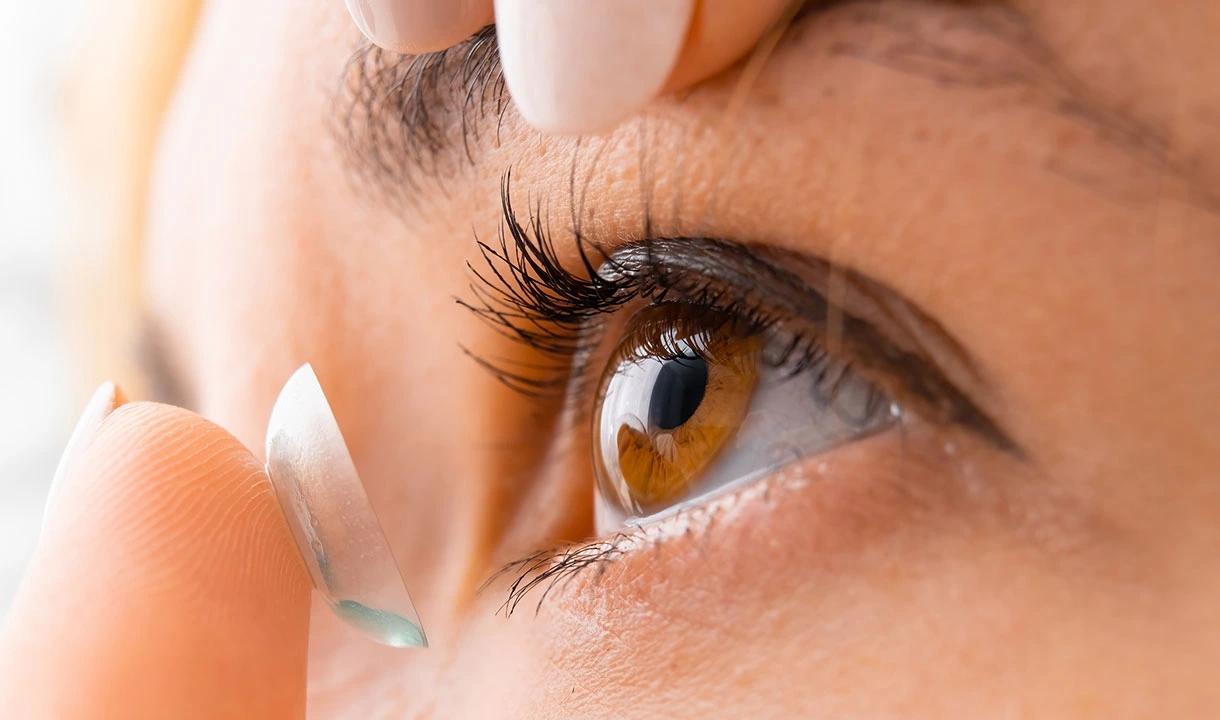
Glasses and contact lenses remain safe, effective options if surgery isn’t suitable, and your doctor will update your prescription as needed.

Note: Your doctor chooses the most suitable option for your eyes based on your assessment results.

What Can You Expect From Lens Implantation?

Potential Benefits

  • Corrects high prescriptions that laser can’t treat.
  • No removal or thinning of corneal tissue.
  • The lens can be removed or replaced if needed.
  • Clear, stable vision for many suitable patients.

Limits and Possible Side Effects

  • Temporary halos or glare, especially at night.
  • Raised eye pressure that needs monitoring.
  • Earlier cataract formation in some patients.
  • Infection or a shift in lens position, both rare.

Note: Lens implantation doesn’t prevent the need for reading glasses with age, and regular check-ups are needed to monitor the lens and eye pressure.

Recovery After Lens Implantation

First 24 Hours

Blurred vision, mild discomfort and light sensitivity are normal for a few hours. Rest, wear the eye shield, use your drops and don’t drive until your follow-up.

First Week

Most patients return to work and daily activities within days. Use your drops on schedule, don’t rub your eyes, and avoid water, dust and swimming until your doctor allows.

1–3 Months

Vision stabilizes gradually and halos usually ease. Keep your follow-up visits so your doctor can check the lens position, your eye pressure and the health of your cornea.

Medical alert: See your doctor immediately if pain becomes severe, vision suddenly drops, redness increases, or eye pain comes with headache or nausea, which can signal high eye pressure.

Lens Implantation Doctors at Magrabi Health

These ophthalmologists perform lens implantation at Magrabi Health eye branches. Not sure who to choose? We can guide you on WhatsApp.

Dr. Mohammed-Alaa Aldanasoury

Dr. Mohammed-Alaa Aldanasoury

Consultant In Cornea, Cataract, And Refractive Surgery – Group Chief Medical Officer

  • Magrabi Health Eye – North Jeddah
View Doctor Profile
Dr. Abdullah AL-Assiri

Dr. Abdullah AL-Assiri

Senior Consultant In Corneal Surgery, Vision Correction, And Cataract Surgery

  • Magrabi Health Eye, Dental and ENT Hospital – Riyadh
View Doctor Profile
Dr. Khalid AlArfaj

Dr. Khalid AlArfaj

Consultant In Cornea, Vision Correction Surgeries, And Cataracts

  • Magrabi Health Eye and Denal – Jubail
  • Magrabi Health - Eye, Dental, ENT - Al-Ahsa
View Doctor Profile
Dr. Maan Abdullah Barry

Dr. Maan Abdullah Barry

Executive Medical Director - Cataract, Cornea & Refractive Surgery Consultant

  • Magrabi Health Eye & Ear – Al Madina Al Monawara
View Doctor Profile
Dr. Bassam El Kady

Dr. Bassam El Kady

Consultant In Corneal Surgery And Vision Correction

  • Magrabi Health Eye, Dental and ENT Hospital – Riyadh
View Doctor Profile
Dr. Amr Shawky

Dr. Amr Shawky

Cornea And Vision Correction Surgery Unit

  • Magrabi Health Eye, Dental and ENT – Qatif
  • Magrabi Health Eye – Al Khobar
View Doctor Profile
Dr. Yousef Saad Al-Shammari

Dr. Yousef Saad Al-Shammari

Consultant In Cornea, Vision Correction Surgeries, And Cataracts

  • Magrabi Health Eye, Dental and ENT – Qatif
  • Magrabi Health Eye, Dental and ENT – Dammam
View Doctor Profile
Dr. Mohamed Al-Meihy

Dr. Mohamed Al-Meihy

Consultant Cornea And Refractive Unit

  • Magrabi Health Eye and Ear Madina Road - Jeddah
View Doctor Profile
Dr. Moustafa Al-Dakrouri

Dr. Moustafa Al-Dakrouri

Cornea Unit, Vision Correction And Cataract Surgery

  • Magrabi Health Eye & Ear – Al Madina Al Monawara
View Doctor Profile
Dr. Awad Al Qarni

Dr. Awad Al Qarni

Consultant Medical Director Cornea, Refractive Surgery And Cataract Surgery

  • Magrabi Health Eye and Ear Madina Road - Jeddah
View Doctor Profile
Dr. Sherif Tolees

Dr. Sherif Tolees

Cornea & Refractive Surgery Unit

  • Magrabi Health Eye – Al Morgan – Jeddah
View Doctor Profile
Dr. Nasr Allah AlAkhrash

Dr. Nasr Allah AlAkhrash

Cornea & Refractive Surgery, Cataract Consultant

  • Magrabi Health Eye – Al Khobar
View Doctor Profile

Need Help Choosing a Doctor?

Share your city, your current prescription if you have it, and whether you’ve been told LASIK isn’t suitable, and we’ll direct you to the right doctor and branch.

Ask on WhatsApp

Where Is Lens Implantation Available?

Lens implantation assessments and surgery are available at Magrabi Health eye branches. Choose your city to find the nearest branch.

Patient Experiences With Lens Implantation at Magrabi Health

I visited Magrabi Health because of severe vision weakness and wanted to know whether LASIK suited me. The examination was organized and clear, and the doctor explained that lens implantation may be suitable after assessing my cornea and eye measurements.

Abdullah Al-Qahtani

6 months ago

I was constantly dependent on glasses. After the assessment at Magrabi Health, I received a clear explanation of my case and why lens implantation may be an option instead of some laser techniques. The doctor answered all my questions patiently.

Noura Al-Harbi

8 months ago

I was worried about weak vision and whether my cornea was unsuitable for some vision correction procedures. The examination was comfortable and organized, and the doctor explained my measurements and the options, including lens implantation, clearly.

Sarah Al-Otaibi

2 years ago

Excellent service and well-organized appointments. The vision correction tests were coordinated smoothly, and the doctor explained why a lens implantation assessment was needed and the steps before and after the procedure, which reassured me.

Fahad Al-Shammari

3 years ago

A specialized eye center with experienced doctors. The vision correction examination was good, and my case was explained simply, including lens implantation options, how they differ from LASIK and the follow-up needed after the procedure.

Khaled Al-Zahrani

4 years ago

Pages That Can Help Based on Your Situation

If lens implantation doesn’t suit you, or you’re comparing it with laser vision correction, these pages may help:

Vision Correction

Compare lens implantation with LASIK, Femto-LASIK, Femto SMILE and PRK before you decide.

Vision correction

LASIK Eye Surgery

Suitable if your cornea is thick enough and your prescription is within the laser range, with a faster recovery.

LASIK eye surgery

Keratoconus Treatment

Relevant if you’ve been told your cornea is thin, irregular or changing in shape, which needs its own assessment.

Keratoconus treatment

Why Choose Magrabi Health for Lens Implantation?

Choosing where to have lens implantation shouldn’t depend on the lens brand alone. What matters is accurate measurements, an honest answer if a lens doesn’t suit your eyes, and long-term follow-up.

Around 2,000 Procedures a Year

That volume gives Magrabi Health surgeons experience in sizing lenses for high nearsightedness and farsightedness.

An Honest Assessment

Your doctor first measures the space inside your eye, the inner corneal layer, eye pressure and the retina. If a lens isn’t right for your eyes, you’re told why.

Every Alternative in One Place

LASIK, Femto-LASIK, Femto SMILE and PRK are also available depending on the branch, so if lens implantation doesn’t suit you, you won’t need to start again.

Lens Implantation Close to You

Lens implantation assessments and surgery are available at Magrabi Health eye branches, with cornea and refractive surgeons in your country.

Long-Term Follow-Up

Care continues with a next-day check, eye-drop instructions and regular visits to monitor the lens position, your eye pressure and your cornea.

Note: Available lens types may vary by case, and your doctor will discuss the options that suit your eyes after the assessment.

Frequently Asked Questions About Lens Implantation for Vision Correction

Lens implantation for vision correction is a procedure that involves placing a customized medical lens inside the eye to improve vision. It is often considered for patients who are not suitable candidates for laser vision correction methods like LASIK.

Does Lens Implantation Suit Your Eyes?

Comparing options alone won’t settle it; an assessment of your eyes will. Book your appointment now, and your doctor will tell you the right option and your next step.

Does Lens Implantation Suit Your Eyes?

Related Lens Implantation for Vision Correction (ICL) Articles

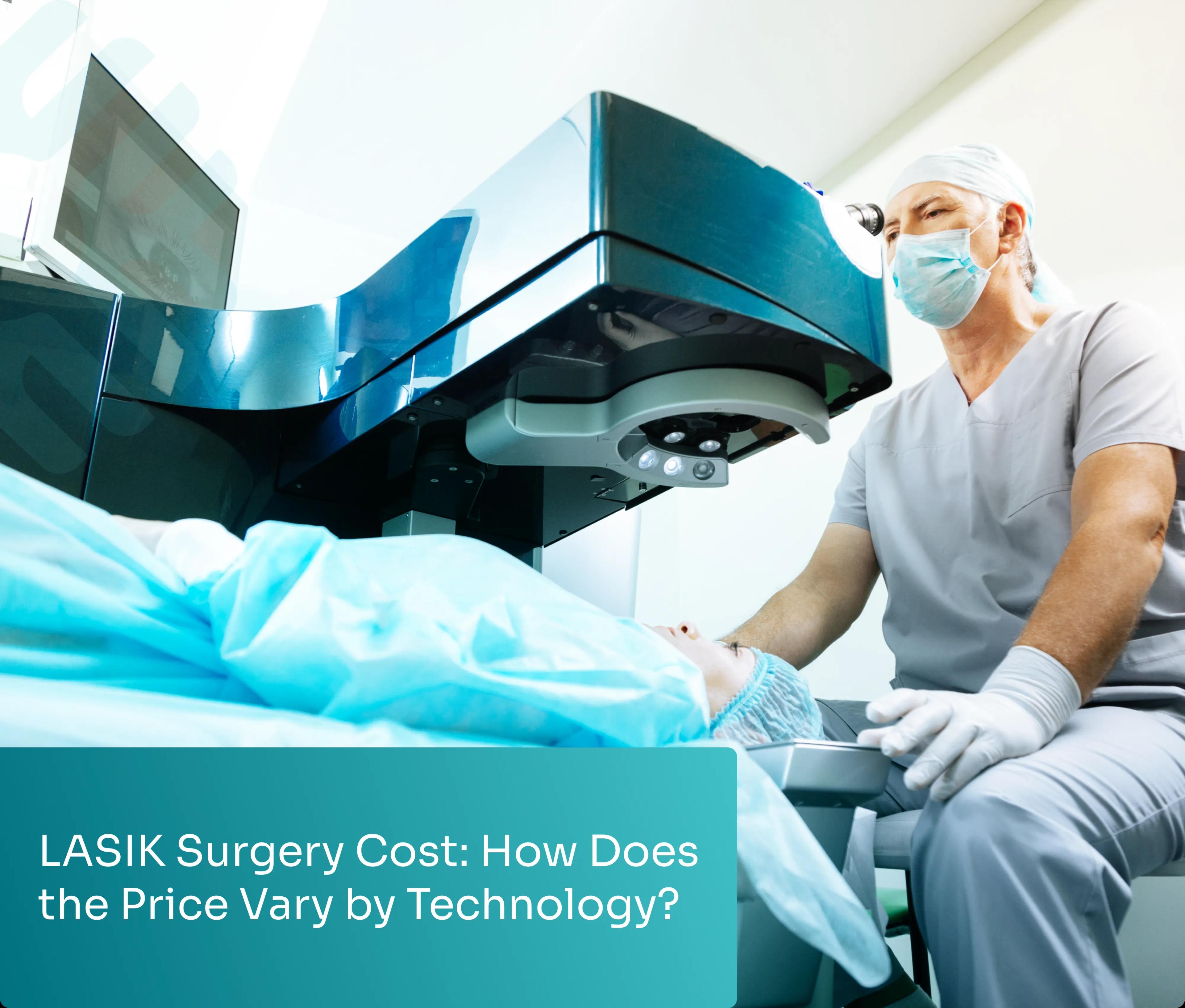
LASIK Surgery Cost: What Affects the Price?LASIK Surgery Cost: What Affects the Price?

5 Minutes to read

LASIK Surgery Cost: What Affects the Price?

This article explains the main factors that affect LASIK surgery cost, including the type of technology used, corneal condition, pre-surgery tests, and doctor’s experience. It also explains that determining the cost does not depend on price alone, but starts with a comprehensive eye examination to assess whether LASIK, femto LASIK, or surface LASIK is suitable for each case.