
Common symptoms
- Gradually blurred or hazy vision
- faded colors
- glare or halos around lights
- difficulty seeing at night
- frequent prescription changes
- increasing difficulty with reading, driving or other daily tasks.
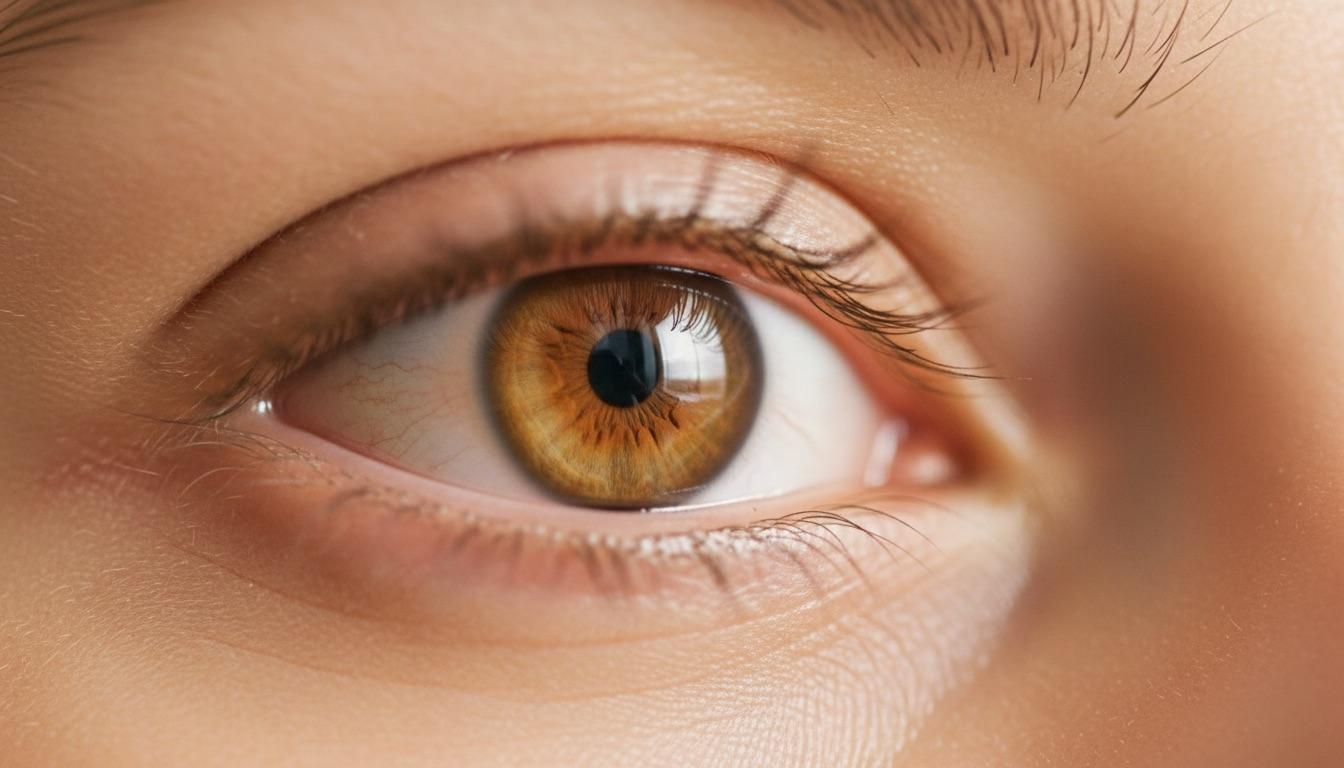

Eye Care | Cataract Treatment
Magrabi Health offers cataract assessment at its eye branches and cataract surgery with lens implantation at selected branches. Over the past 70 years, Magrabi Health has treated more than 2.5 million cataract cases.
A cataract is a gradual clouding of the eye’s natural lens that can make vision blurry, colors look faded, and night driving or bright lights more difficult. At Magrabi Health, the journey starts with an eye assessment — not an automatic decision for surgery — to evaluate the lens, cornea, retina, eye pressure and your visual needs.
Start one conversation to be directed to the appropriate doctor and branch based on your country and service availability.
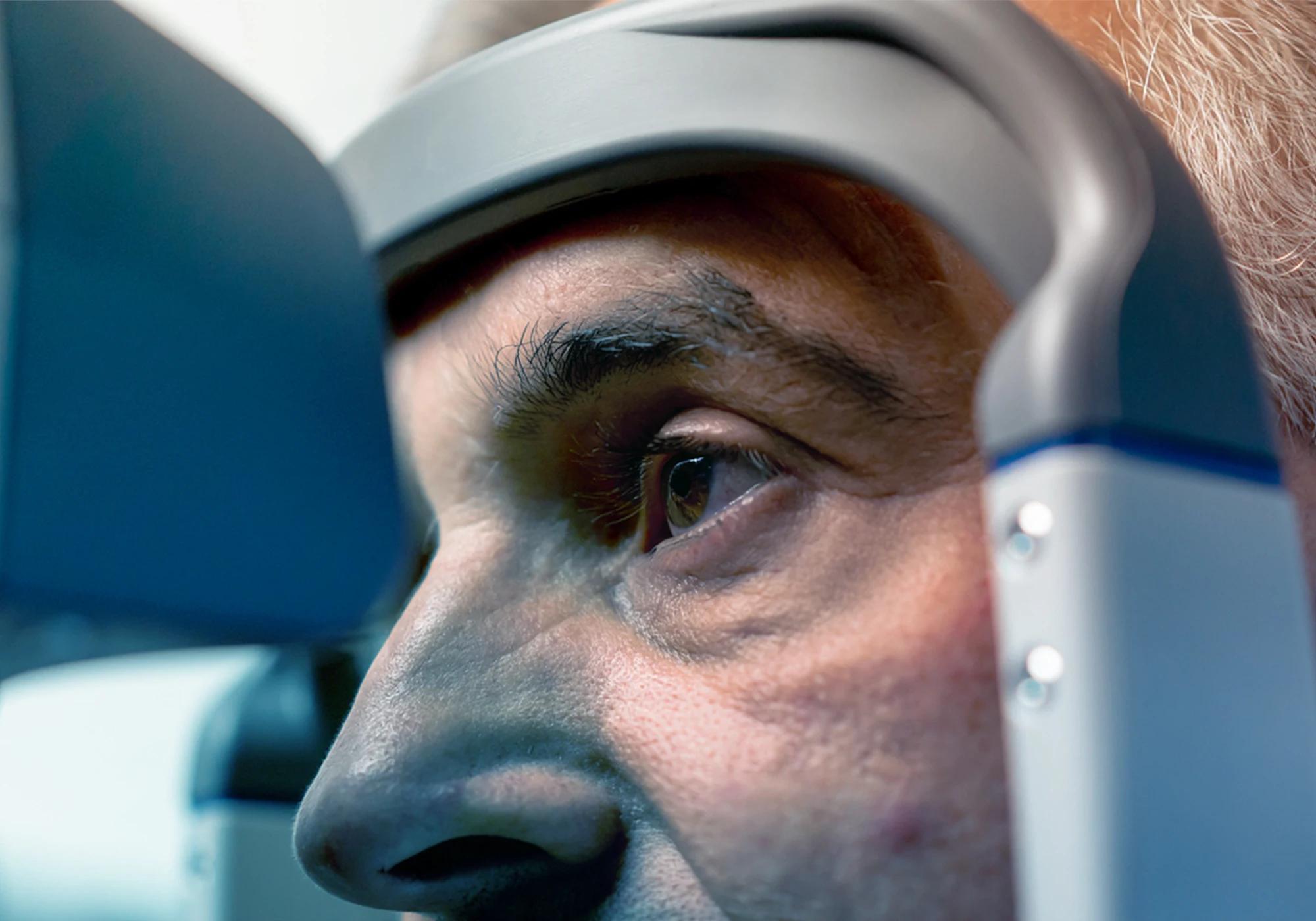
If blurred vision develops gradually and begins to interfere with reading, driving, screen use or everyday activities, a cataract may be one possible cause. A cataract diagnosis does not automatically mean surgery is needed immediately.
Go to symptoms and risk factors to understand common changes and urgent warning signs.
Go to assessment and treatment decision to understand monitoring versus surgery.
Go to the procedure, lens options and recovery sections before making a decision.
Go to doctors and branches available in your country, then use WhatsApp if you need guidance.
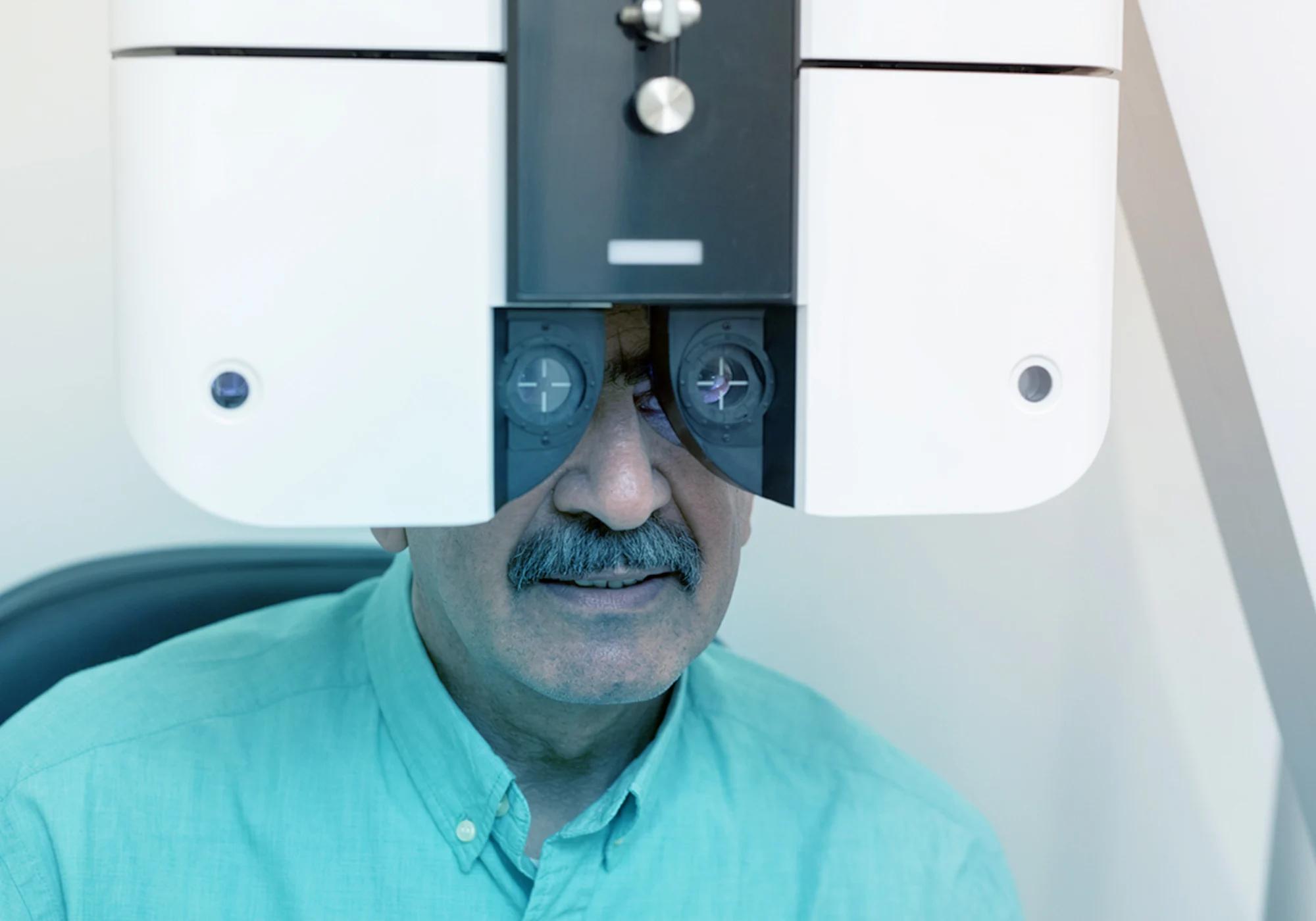
Understanding Cataracts
A cataract forms when the eye’s natural lens becomes cloudy instead of clear. Because the lens helps focus light onto the retina, clouding can lead to blurred or hazy vision, faded colors, glare, halos and difficulty seeing at night.
Cataracts most often develop gradually with age, but they may also be associated with diabetes, previous eye injury or surgery, or certain medicines. Blurred vision cannot be assumed to come from a cataract alone; an eye examination helps rule out other causes involving the cornea, retina, optic nerve or eye pressure.
Cataract symptoms vary, but they usually develop slowly. An eye assessment is useful when a persistent change in vision begins to affect daily activities.
Important medical note Cataracts usually cause gradual change. Sudden vision loss, severe eye pain, marked redness, or a sudden onset of new flashes or floaters is not typical of a cataract and needs urgent eye assessment.
The purpose of the assessment is not simply to confirm that the lens is cloudy. It is to understand how much the cataract affects vision, evaluate the rest of the eye and decide what next step fits your needs.
Your doctor reviews when the changes began, how they affect activities such as reading or driving, and measures your current vision.
The lens is examined to assess the location and degree of clouding, alongside the cornea, eye pressure and other structures as needed.
A dilated examination or additional imaging may be required, particularly when diabetes or another retinal condition may also affect vision.
Measurements are taken to calculate the power of the intraocular lens and support a discussion of suitable lens options.
Your doctor explains whether monitoring is enough, whether surgery is worth considering now, and what matters before choosing a lens.
Treatment Decision
In earlier stages, updated glasses, better lighting and monitoring may be enough when vision still meets your daily needs. These steps can help you function better for a time, but they do not remove the clouded lens.
The decision is based on your visual needs, the health of the whole eye, and a balanced discussion of expected benefits and risks — not on clouding alone.
If a cataract is affecting your day or you already have a diagnosis, Magrabi Health can direct you to the appropriate doctor and branch for an assessment.
During cataract surgery, the clouded natural lens is removed and replaced with a clear artificial intraocular lens (IOL). The exact technique and anesthesia depend on the eye and treatment plan, but the typical journey includes:
Eye drops or another form of local anesthesia may be used according to the surgical plan.
A small incision is made and the clouded lens is broken up and removed, most often with phacoemulsification.
A calculated artificial lens is placed inside the eye to replace the natural lens that was removed.
After a short observation period, the patient follows the prescribed eye-drop, protection and follow-up plan.
A femtosecond laser may assist with selected parts of cataract surgery in suitable cases. It is not required for every patient, and the use of a laser alone does not guarantee a better result. Your surgeon considers the condition of the eye, the lens plan, the procedure and local availability.
There is no single “best” lens for everyone. Lens choice depends on eye measurements, the condition of the cornea and retina, astigmatism, your lifestyle, the distances that matter most for work, reading and driving, and realistic expectations after surgery.
Provides one main focus distance, often planned for distance or near vision. Glasses may still be needed for other distances or tasks.
May help reduce astigmatism in suitable patients after the measurements and corneal findings are confirmed.
May reduce dependence on glasses at more than one distance in selected eyes; possible glare or halos should be discussed.
The choice should not be based on price or the desire to avoid glasses alone. Eye health, visual needs, benefits and limitations all matter.
For suitable patients, surgery may reduce blur caused by lens clouding, improve color and visual clarity in daily activities, and allow a clearer view of the retina when the cataract previously limited examination.
The result depends on the cornea, retina and optic nerve, and glasses may still be needed. As with any intraocular procedure, possible risks include inflammation, infection, eye-pressure changes or retinal complications; your surgeon explains the risks that matter for your eye before treatment.
Some patients can later develop clouding of the capsule behind the implanted lens, which may cause blurred vision again. Your doctor can assess this and recommend treatment if it occurs.
Seek prompt advice if Vision suddenly worsens, pain becomes severe or increases, redness is marked, unusual discharge appears, or there is a sudden onset of new flashes or floaters.
These ophthalmologists provide cataract assessment, cataract surgery and lens implantation in your country.
If you are not sure which specialist to choose, Magrabi Health can guide you on WhatsApp based on your needs and location.

Consultant Ophthalmologist - Cornea & Refractive Surgery

Consultant Ophthalmologist - Chief Of Cataract & Glaucoma Unit - Medical Director

Consultant Ophthalmologist -Vitreoretinal & Cataract Surgeon And The Lead Clinician For Vitreo-retinal Unit
Share your country, city and whether you already have a cataract diagnosis. You can then be directed to the appropriate care path based on availability.
Availability of assessment, surgery, lens options and technology can vary by branch. Select your country and city to see branches that provide cataract assessment and related services, then confirm doctor and service availability on WhatsApp before your visit.
Al Doha
Closed Now Opens Tomorrow at 08:00
Every patient’s experience and clinical outcome can differ depending on the eye condition, general health and treatment plan. A review does not guarantee that another patient will have the same result.
Choosing where to receive cataract care should not depend on the name of a technology or lens alone. What matters is a careful eye assessment, appropriate timing, lens planning based on measurements and visual needs, and a clear follow-up pathway after surgery.
Available technologies, lens types and services can vary by country and branch. Your doctor will discuss the options that are appropriate after examination.
If blurred vision is affecting your day or you already have a cataract diagnosis, you do not need to choose a surgery technique or lens on your own. Start with an assessment of the lens and the rest of the eye, then discuss the most appropriate option with your doctor.

If you want to explore a specific part of the cataract journey in more detail, these articles cover recovery after surgery, when vision stabilizes, lens implantation, and related decision questions.
 What to Do After Cataract Surgery? Recovery Tips
5 Minutes to read
This article explains what to do after cataract surgery in the first hours and days, how to care for the eye, and when to contact the doctor.
 When Does Vision Stabilize After Cataract Surgery?
4 Minutes to read
This article explains when vision stabilizes after cataract surgery and what symptoms may be normal during recovery, such as blurred vision and light sensitivity. It also covers the most important post-operative instructions, including the use of eye drops, showering, using the phone, sleeping safely, and when medical review is needed.
 Cataract Surgery and Lens Implantation
2 Minutes to read
This article discusses cataract surgery and lens implantation in terms of its causes, symptoms, diagnostic steps, and how the cloudy lens is removed and replaced with a suitable artificial lens. It also explains the types of lenses, surgery duration, important post-operative instructions, and when to visit an ophthalmologist for an accurate evaluation.