Services

Eye Services / PRK Laser Eye Surgery

PRK Laser Eye Surgery: Who It Suits, How It Works and Healing Time

PRK (photorefractive keratectomy) at Magrabi Health is a flap-free laser vision correction procedure that treats nearsightedness, farsightedness and astigmatism by removing the cornea’s thin outer layer and reshaping the surface beneath it with an excimer laser. Because no flap is cut, PRK is often recommended for people with thinner corneas or mild dry eye, and for those who play contact sports. It starts with an assessment of the cornea and eye surface.

The laser treatment takes about 10–15 minutes for both eyes, the surface layer regrows within 3–5 days, and most patients are back to daily activities within 5–7 days. PRK is available at Magrabi Health eye branches, as part of its vision correction service.

Wondering Whether PRK Is Right for Your Eyes?

Message us on WhatsApp with your question, and we’ll arrange your PRK assessment with a refractive surgeon at a branch near you, on a date that works for you.

Wondering Whether PRK Is Right for Your Eyes?
What Is PRK Laser Eye Surgery?

Understanding PRK

What Is PRK Laser Eye Surgery?

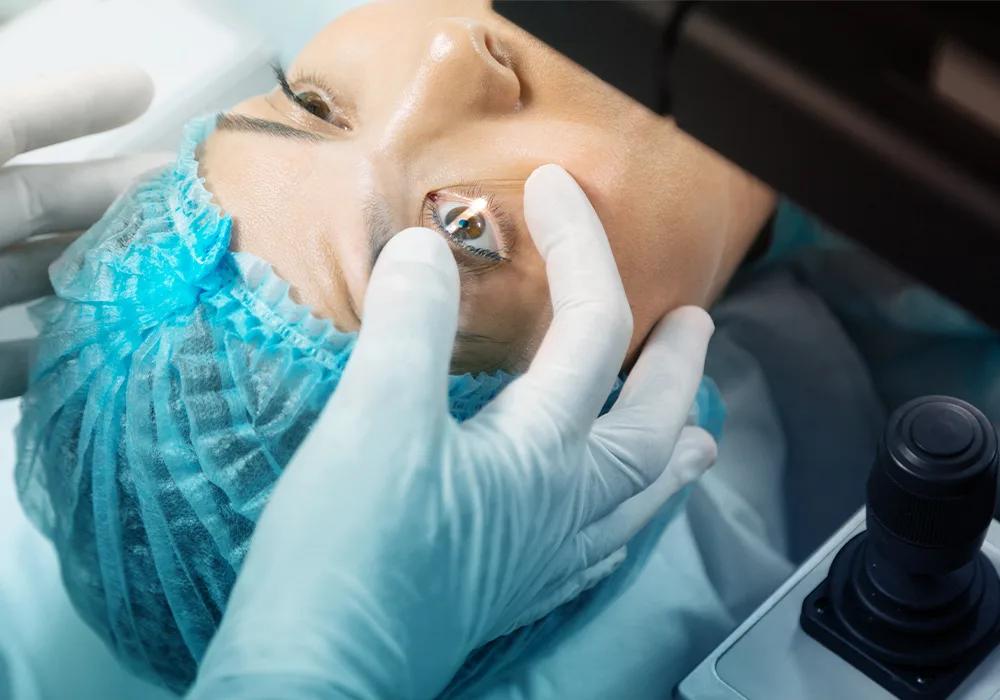
In PRK, the surgeon gently removes the epithelium, the cornea’s thin protective surface, and the excimer laser reshapes the exposed cornea so light focuses correctly on the retina. A soft bandage contact lens then protects the eye while the surface layer grows back naturally.

PRK was the first laser vision correction technique, and it treats the same prescriptions as LASIK. The difference is that no flap is created, so more corneal tissue stays intact, which matters when the cornea is thin or likely to face impact.

Who Can Have PRK, and When Another Option Fits Better

PRK suits more corneas than flap-based techniques, but it still needs a stable prescription and a healthy eye, which your surgeon confirms during the assessment.

PRK may suit you if:

  • You are 18 or older.
  • Your prescription hasn’t changed for 12 months or more.
  • Your cornea is thinner than LASIK requires.
  • You play contact sports or work in a high-impact job.
  • Your eye surface is healthy or dryness is controlled.
  • Your cornea shows no signs of keratoconus.

Another option may suit you better if:

  • Your prescription is very high; consider ICL.
  • You need a very quick return to work or driving.
  • You have keratoconus that needs specialist care.
  • You heal slowly or have certain autoimmune conditions.
  • Your prescription is still changing.
  • You are pregnant or breastfeeding at the time of surgery.

Medical note: PRK is an elective, planned treatment. If your vision drops suddenly, or your eye becomes painful or increasingly red, seek an urgent eye examination rather than booking surgery.

How Is PRK Performed?

The whole procedure takes about 10–15 minutes for both eyes, and you leave the same day. Both eyes are usually treated in one session unless your surgeon advises otherwise.

  1. Step 1

    Numbing Drops

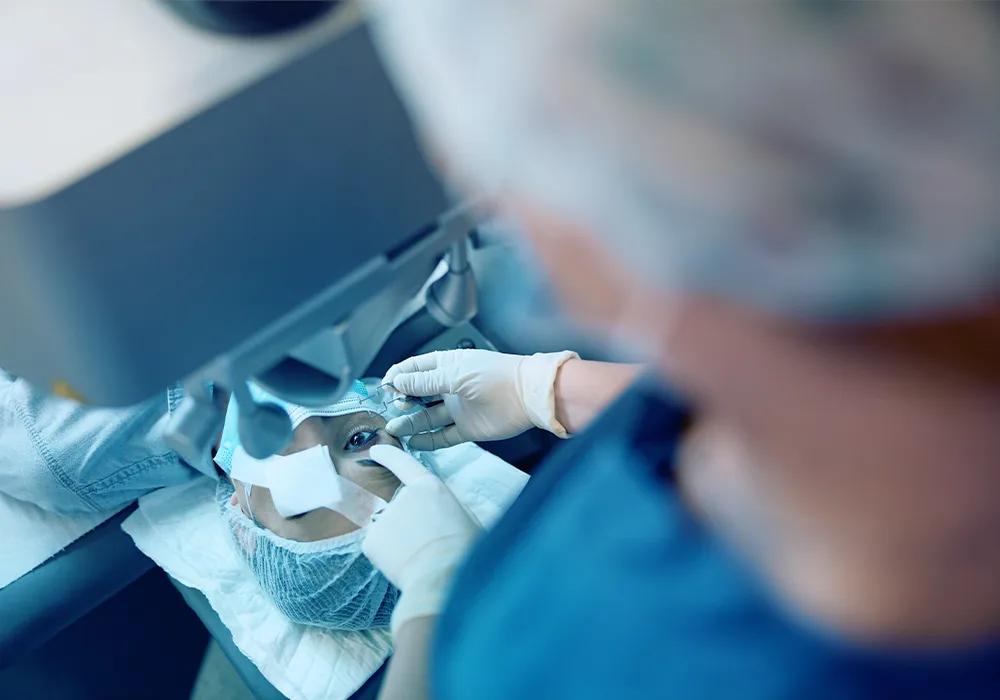
    Anesthetic drops numb the eye, and a gentle holder keeps your eyelids open while you stay awake, usually without pain.

  2. Step 2

    Removing the Surface Layer

    The surgeon gently removes the epithelium, the cornea’s thin outer layer, which grows back on its own in a few days.

  3. Step 3

    Reshaping With the Laser

    The excimer laser reshapes the cornea’s surface to your exact prescription in seconds as you focus on a small light.

  4. Step 4

    Protective Lens and Drops

    A soft bandage lens is placed on the eye to aid healing, and you go home with drops and a follow-up appointment.

Watch How PRK Is Performed

PRK vs LASIK: How Your Surgeon Chooses

Why Might Your Doctor Recommend PRK?

PRK is often recommended when the cornea is too thin for a flap, when its surface is irregular, or when a flap could be dislodged by a blow to the eye during sport or work. It also avoids flap-related complications altogether.

The trade-off is healing time: PRK takes a few days longer to feel comfortable and see clearly than LASIK or Femto-LASIK. Your surgeon weighs both against your corneal measurements and daily routine.

Once healing is complete, long-term results from PRK and LASIK are generally similar, so the choice rests on your corneal measurements and how quickly you need to recover.

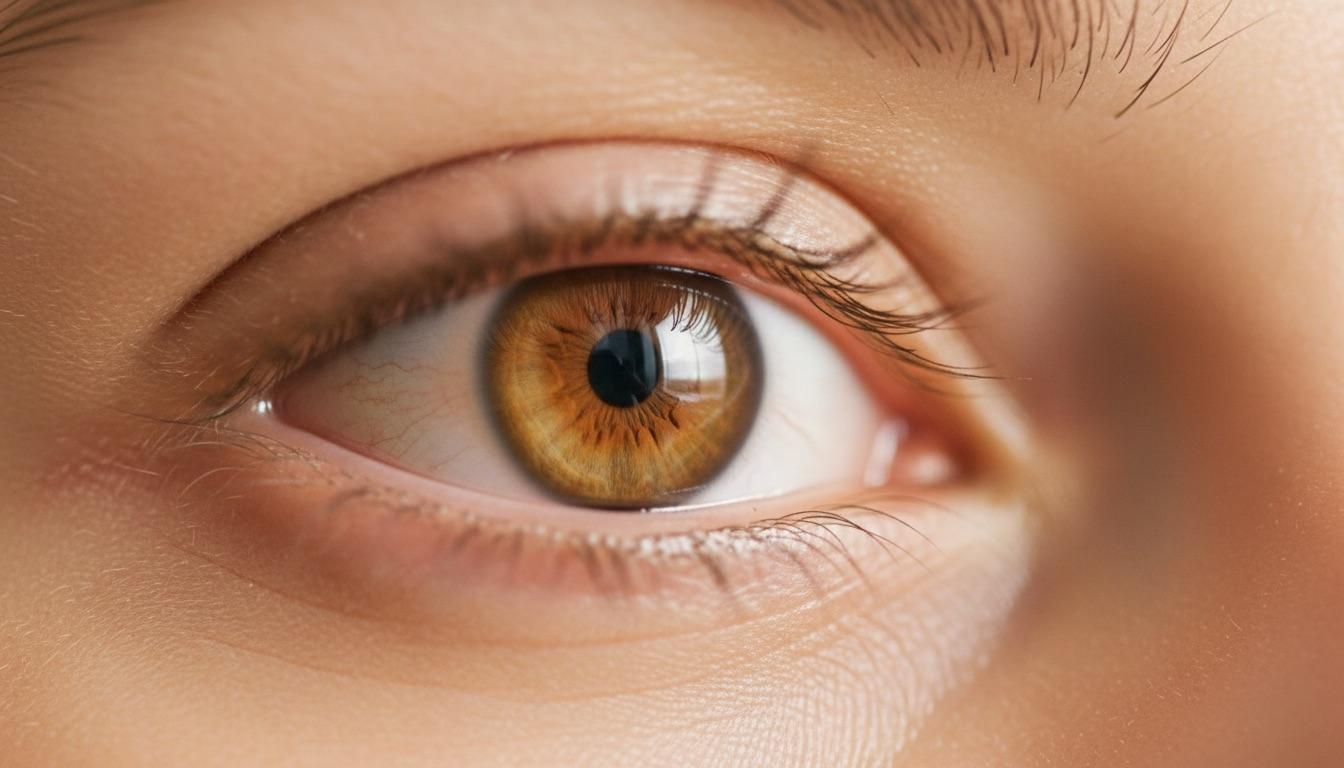
Is PRK Right for Your Eyes?

Book a PRK assessment, and a refractive surgeon will review your cornea and recommend the technique that suits your eyes.

Other Vision Correction Choices If PRK Isn’t Right for You

If PRK doesn’t suit you, whether because of your prescription, healing needs or corneal shape, there are several other routes your surgeon may consider.

LASIK

Reshapes the cornea beneath a thin flap made with a precise blade, offering quicker comfort when the cornea is thick enough.

Femto-LASIK

A femtosecond laser creates a blade-free flap with fine control over its depth, and recovery usually takes a few days.

Femto SMILE

Treats nearsightedness and astigmatism through a tiny keyhole incision, leaving the corneal surface largely untouched.

ICL Lens Implantation

Places a corrective lens inside the eye with no corneal reshaping, often used for prescriptions beyond the laser range.

Glasses or Contact Lenses

Remain a dependable, non-surgical way to see clearly, and your surgeon can update your prescription after the assessment.

Note: The final recommendation depends on your corneal measurements and is made by your surgeon after the assessment.

What Results Can You Expect From PRK?

Potential Benefits

  • Reduced or no need for glasses and contacts.
  • No flap, so no flap-related complications.
  • More corneal tissue preserved in thin corneas.
  • Long-lasting results for many suitable patients.

Limits and Possible Side Effects

  • Discomfort and light sensitivity for 2–4 days.
  • Slower visual recovery than flap techniques.
  • Temporary corneal haze in some patients.
  • A possible need for an enhancement treatment.

Note: PRK won’t stop age-related changes in near vision, and in a lazy eye it can’t make vision sharper than glasses already do.

Healing After PRK

Days 1–4

The eye may feel gritty, watery and sensitive to light while the surface regrows. Keep the bandage lens in, use your drops and rest your eyes as much as possible.

First Week

Your surgeon removes the bandage lens once the surface has healed, usually within a week. Most patients then return to work, while vision continues to sharpen.

1–3 Months

Clarity improves steadily over several weeks. Wear sunglasses outdoors, keep using your drops as prescribed and attend every follow-up visit on time.

Medical alert: Contact your doctor immediately if the bandage lens falls out, pain worsens after the third day, your vision drops suddenly, or you notice discharge.

PRK Surgeons at Magrabi Health

These ophthalmologists perform PRK surface laser at Magrabi Health eye branches. If you’d like advice on choosing a surgeon, our team can help on WhatsApp.

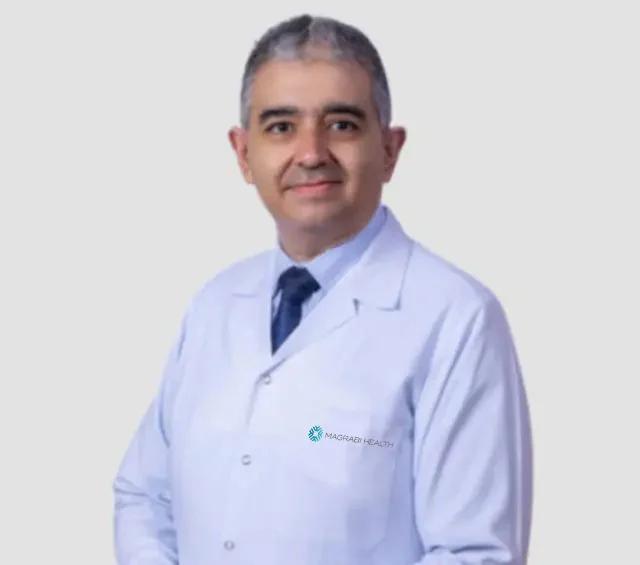
Dr. Ahmed Elantably

Dr. Ahmed Elantably

Consultant Ophthalmologist - Cornea & Refractive Surgery

  • Magrabi Health Eye, Dental and ENT - Doha
View Doctor Profile

Not Sure Which Surgeon to See?

Tell us your city, your current prescription if you know it, and whether a previous check found a thin cornea, and we’ll suggest a suitable surgeon and branch.

Get Help on WhatsApp

Find a Branch Offering PRK

PRK assessments and surgery are offered at Magrabi Health eye branches. Pick your city to see the closest location.

What Patients Say About PRK at Magrabi Health

I visited Magrabi Health to ask about PRK after years of relying on glasses. The examination was organized and clear, and the doctor explained why my prescription, corneal thickness and dry eye had to be checked first.

Mohammed Al Subaie

6 months ago

I needed a PRK assessment to know whether it suited my eyes, and received a clear explanation of my prescription and cornea. The doctor made it clear the decision depends on the results, not on preference.

Reem Al Mutairi

8 months ago

I was thinking about PRK to stop relying on contact lenses. The examination was comfortable and organized, and the doctor clearly explained my measurements and the condition of my cornea and eye surface.

Hind Al Zahrani

2 years ago

Excellent service and well-organized appointments. The PRK assessment was coordinated smoothly, and the doctor explained whether my case was suitable and which tests were needed first, which reassured me.

Salman Al Ghamdi

3 years ago

A specialized eye center with experienced doctors. My PRK assessment was good, and my case was explained simply, including the vision measurement, corneal assessment, dry eye test and follow-up steps.

Majed Al Anzi

2 years ago

Related Pages to Help You Compare

Still weighing PRK against other techniques? These pages explain the alternatives in more detail:

Vision Correction

An overview of every option, from PRK and LASIK to Femto SMILE and ICL.

Vision correction

Femto-LASIK

A blade-free flap technique with a quicker recovery, if your cornea is thick enough.

Femto-LASIK

Lens Implantation

An option when your prescription is too high for any laser treatment, including PRK.

Lens implantation

Keratoconus Treatment

For corneas that are thinning or changing shape and need specialist assessment.

Keratoconus treatment

What Sets PRK at Magrabi Health Apart?

PRK asks for a little patience during healing, so the experience around the surgery matters as much as the laser itself: careful measurements, clear guidance through the first week and attentive follow-up.

Vision Correction Expertise

Magrabi Health has offered vision correction for decades, giving its surgeons deep experience with thin and irregular corneas.

Guidance Through Healing

Clear instructions for the first days, a bandage lens check and direct contact with the team, so healing never feels uncertain.

The Right Technique, Not a Default

With LASIK, Femto-LASIK, Femto SMILE and ICL also available, your surgeon recommends PRK only when it genuinely suits your eyes.

PRK at Branches Near You

PRK assessments and treatment are offered at Magrabi Health eye branches, with surgeons who specialize in vision correction.

Follow-Up Until Vision Settles

Regular visits track surface healing, monitor for haze and confirm your result, with an enhancement assessment if it’s ever required.

Note: Technologies and schedules may differ between branches, and your surgeon will explain what applies to you during the assessment.

Frequently Asked Questions About PRK Laser Eye Surgery

PRK (photorefractive keratectomy) is a flap-free laser procedure that removes the cornea’s outer layer and reshapes the surface beneath it to correct nearsightedness, farsightedness or astigmatism.

Find Out If PRK Is Right for You

One assessment of your cornea answers what online reading can’t. Book a visit, and your surgeon will confirm whether PRK or another technique suits your eyes.

Find Out If PRK Is Right for You

Related Vision Correction Articles

Is Surface LASIK Surgery the Right Option?Is Surface LASIK Surgery the Right Option?

5 Minutes to read

Is Surface LASIK Surgery the Right Option?

Learn about surface LASIK surgery, or PRK, and how it may help correct vision in some cases, especially when the patient has a thin cornea or is not suitable for traditional LASIK. This article explains the procedure steps, the difference between surface LASIK and regular LASIK, recovery time, expected symptoms, and key post-procedure tips before determining suitability with an ophthalmologist.